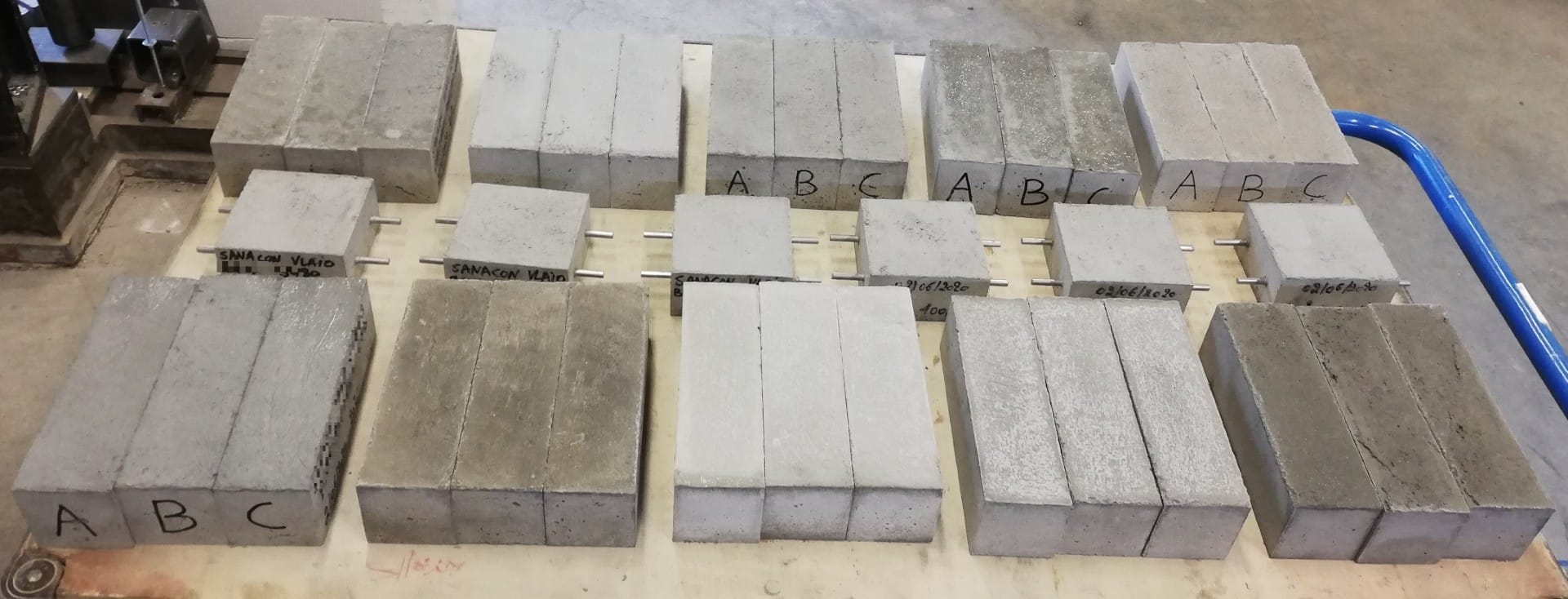

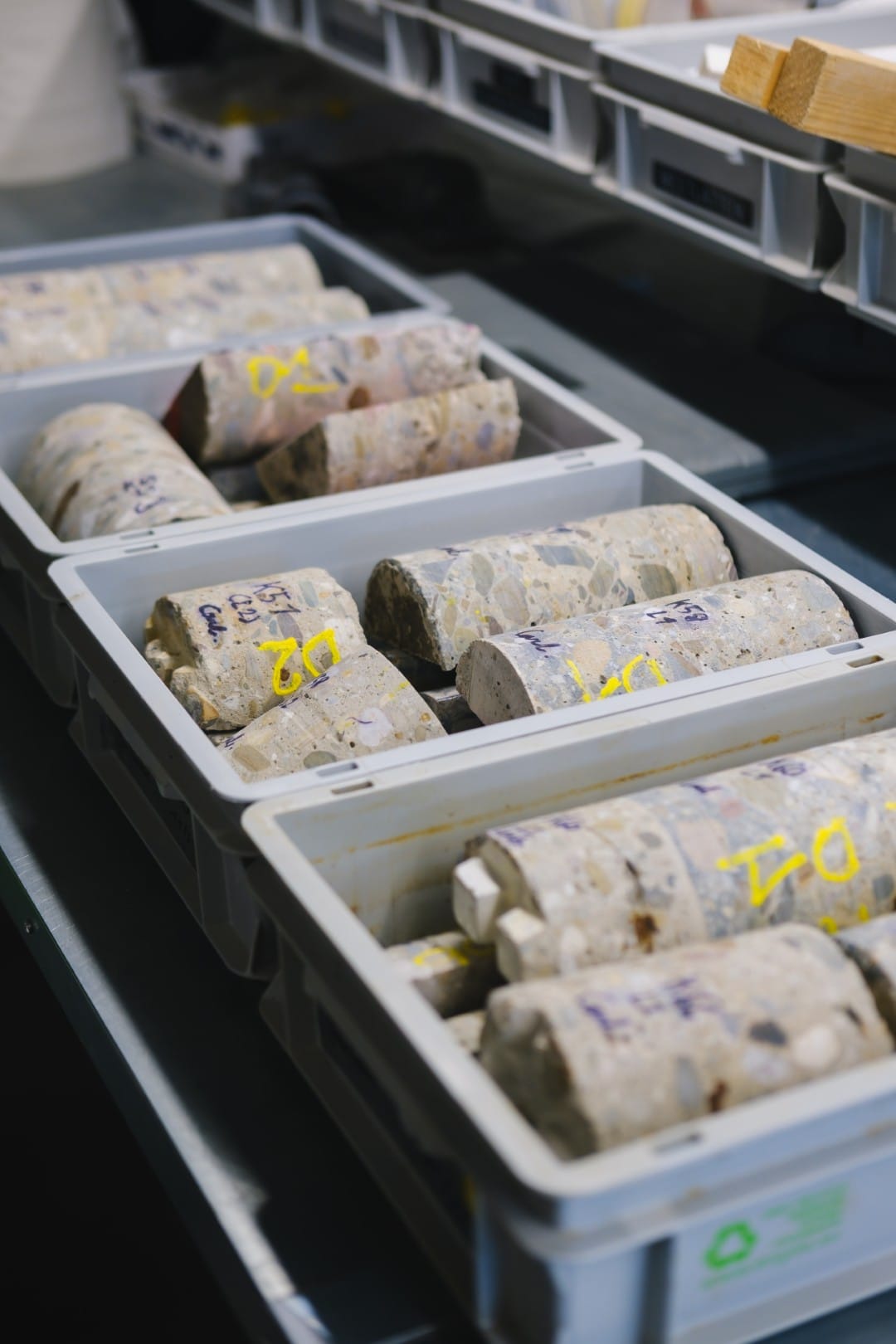
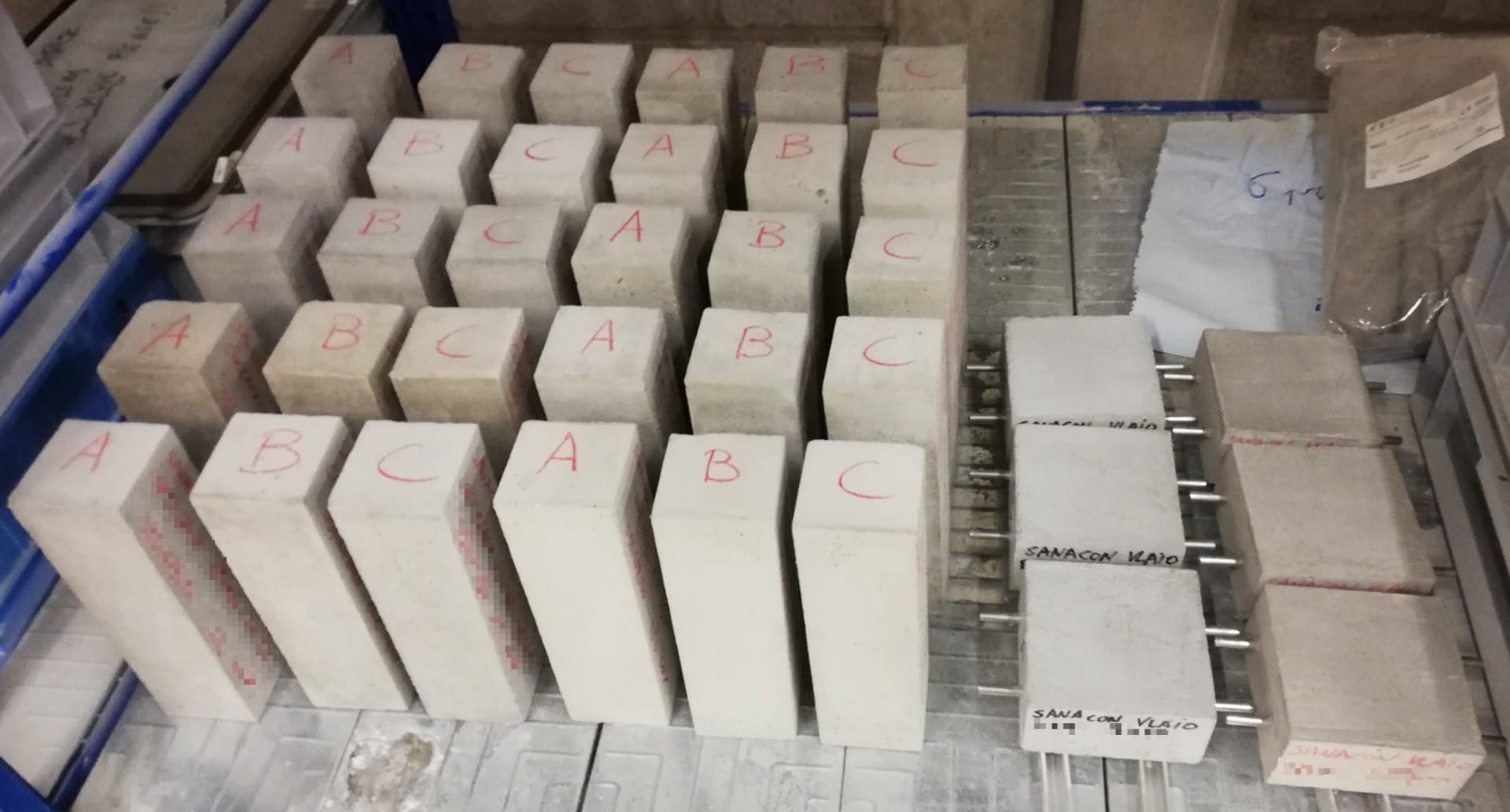
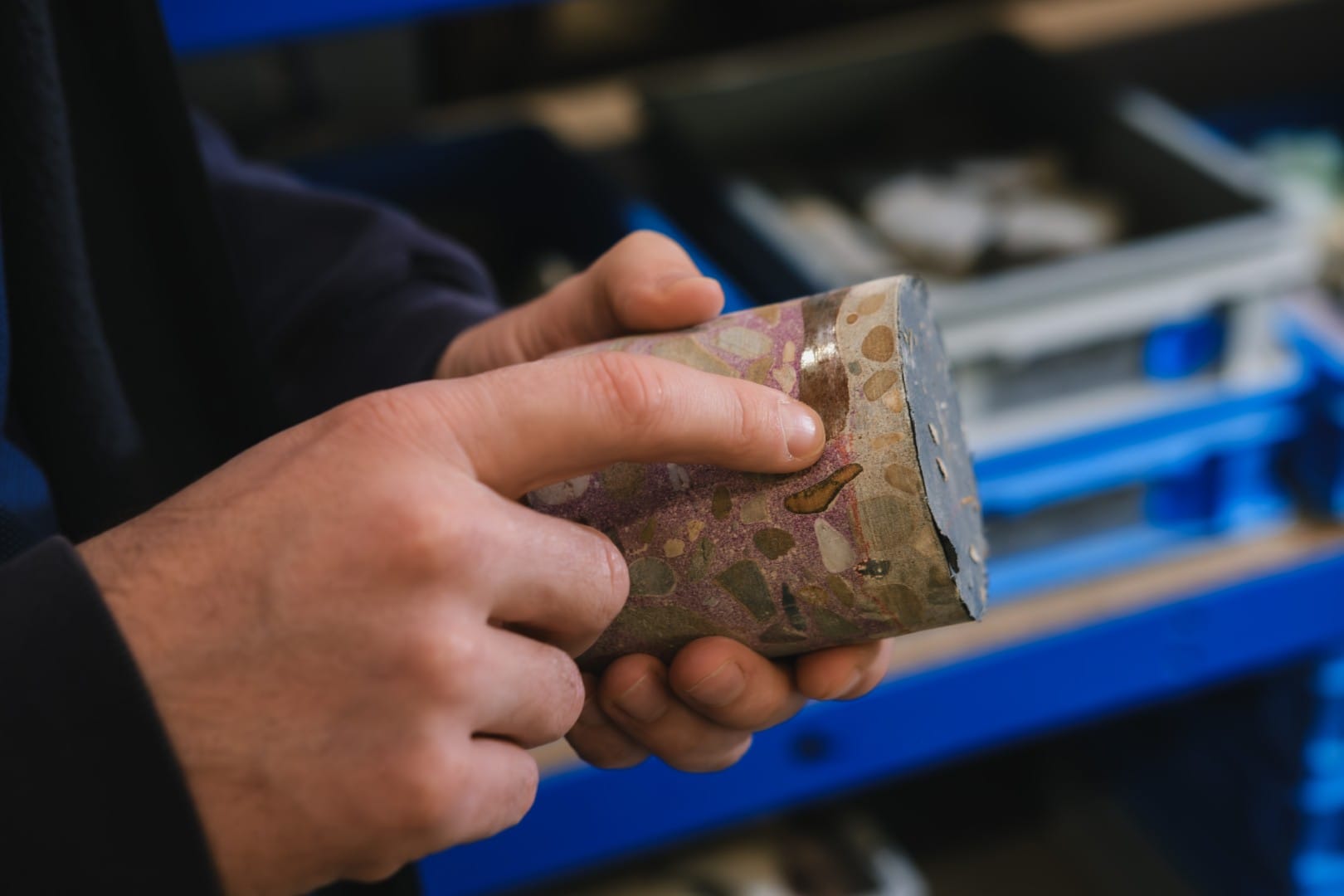

SANACON originated as a spin-off from Ghent University and carries academic depth and scientific rigor in its DNA. From this foundation, we embrace science as the foundation for everything we do: from analyzing existing structures to developing innovative, sustainable solutions for the construction industry. We strongly believe in the power of research to solve complex problems in practice and see it as our mission to make science tangible and applicable on-site.
An active contribution to knowledge development and knowledge sharing within the construction sector is crucial. Therefore, SANACON is intensively involved in various R&D projects and maintains close collaborations with Ghent University, the University of Antwerp, KU Leuven, Odisee, and ULB, among others. Through guest lectures, supervising bachelor’s and master’s theses, joint research initiatives, and substantive contributions to academic and professional networks, we continuously stay in touch with the latest insights into material behavior, sustainability, inspection techniques, and lifespan extension.
This synergy between science and practice allows us to continuously integrate new scientific and technical knowledge into our projects, thus sustainably optimizing the quality of existing structures. This not only enriches our own expertise but also actively contributes to the professionalization and innovation of the entire sector.





Effect of chloride concentration on the performance of impressed current cathodic protection (ICCP) for reinforced concrete: experimental research versus numerical modeling
Durable renovation of monumental heritage through impressive current cathodic protection – Case study: the Yser Tower
Service life extension of concrete tunnels by means of impressed current cathodic protection – Case study: Throne Tunnel, Brussels
Adhesive bond strength in manually applied concrete repairs: Practical insights and guidelines
Practical approach to structural assessment of reinforcement in existing concrete structures affected by corrosion or fire
Experimental study on the effectiveness of Electrochemical Chloride Extraction (ECE) for reinforced concrete
Effectiveness and Throwing Power of Hybrid Anode Cathodic Protection in Chloride Contaminated Reinforced Concrete
Concrete Resistivity Revisited: Experience with Testing on Existing Structures
Reinforced Concrete Demo-Wall Illustrating Service Life Extension Through Cathodic Protection
Influence of various parameters on the current distribution and protection degree of impressed current cathodic protection for reinforced concrete with TiMMO mesh anodes
Current distribution and throwing power of galvanic cathodic protection with discrete anodes in reinforced concrete beam or column elements
Renovation of Leopold II tunnel (Belgium): Innovative approach in study and design of concrete repair and maintenance techniques
Impressed current cathodic protection of reinforced concrete in ATEX zones – Case study: concrete slab in an industrial building
An objective assessment strategy for industrial reinforced concrete structures – Case study
Throwing power and service life of galvanic cathodic protection with embedded discrete anodes for steel reinforcement in chloride contaminated concrete
Resistivity of repair materials for concrete repair prior to the application of a cathodic protection system