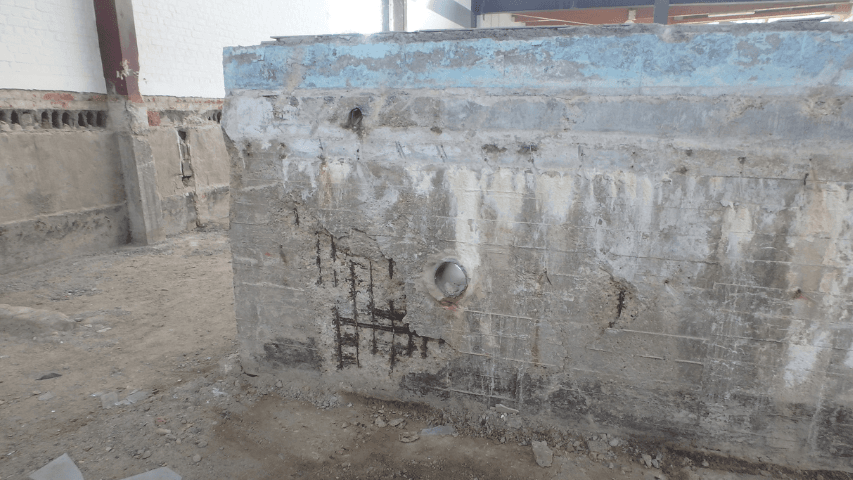
Cathodic protection

At SANACON, we specialize in solving corrosion problems for concrete reinforcement using cathodic protection. Our experts, certified to the European standard EN ISO 15257:2017 (Level 3), offer high-quality, customized solutions.
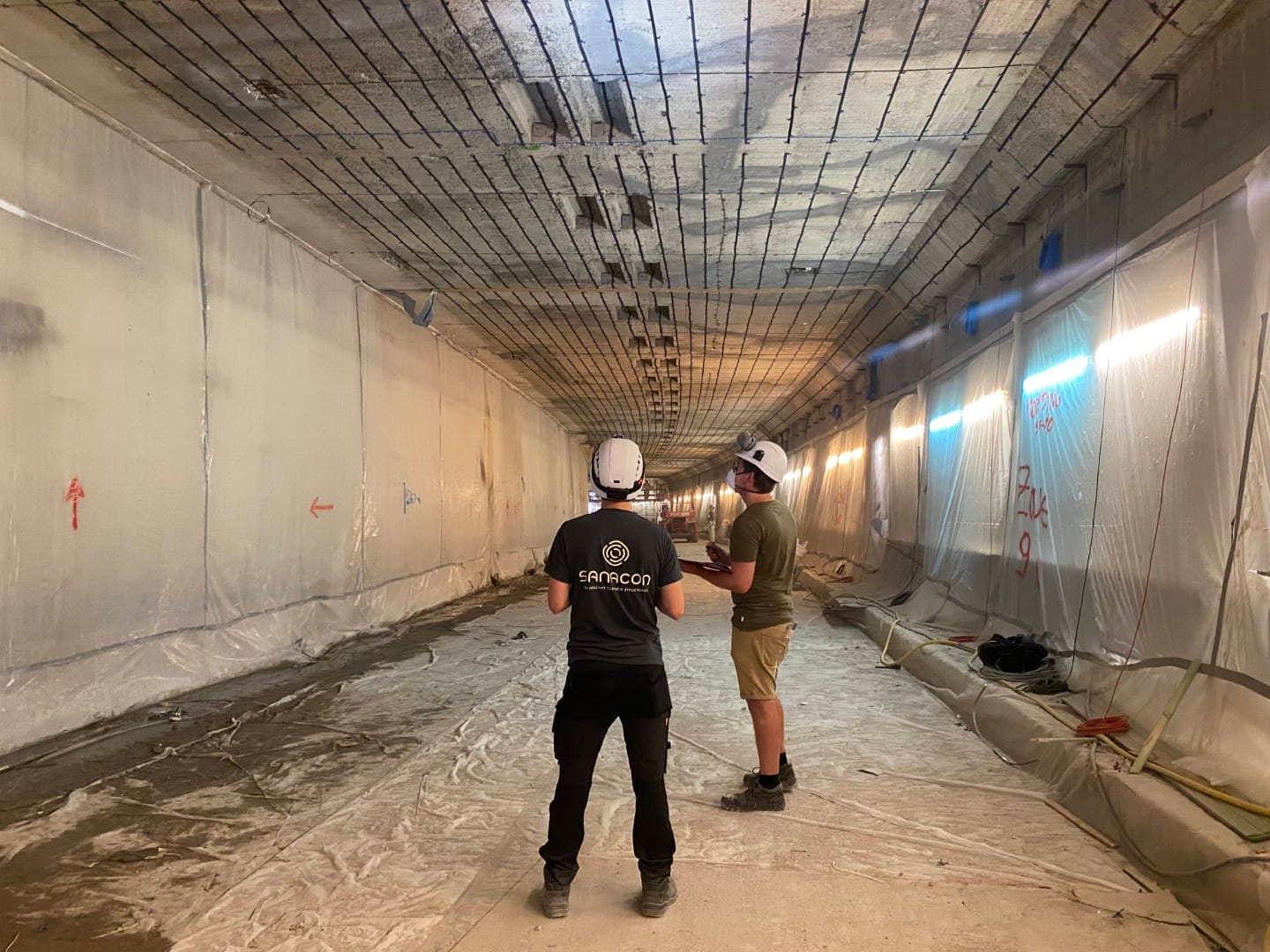
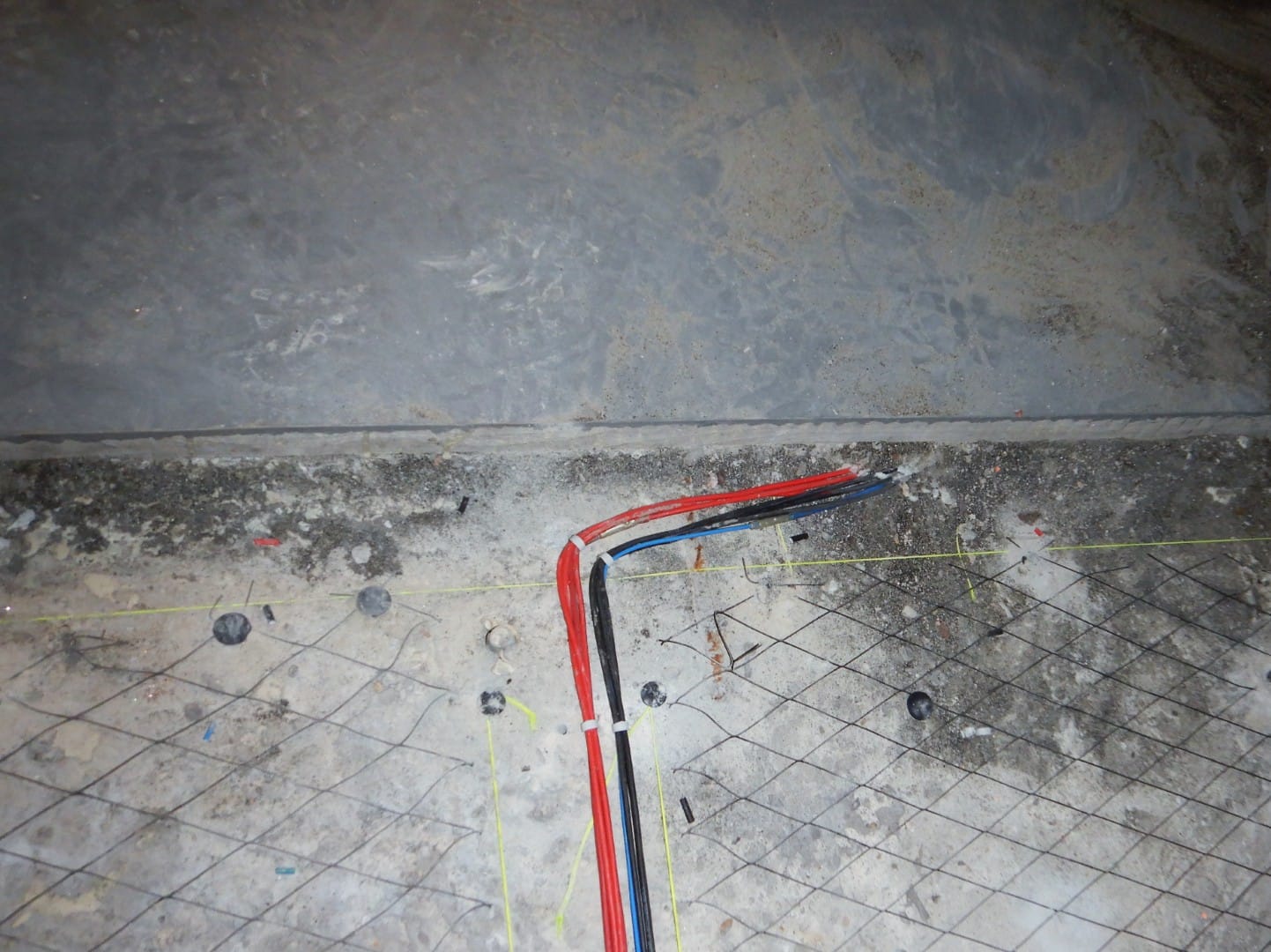
About cathodic protection (KB)

You can contact us for a wide range of services, including:

  • Customised advice on cathodic protection for reinforced concrete
  • Support for preliminary investigations and feasibility studies
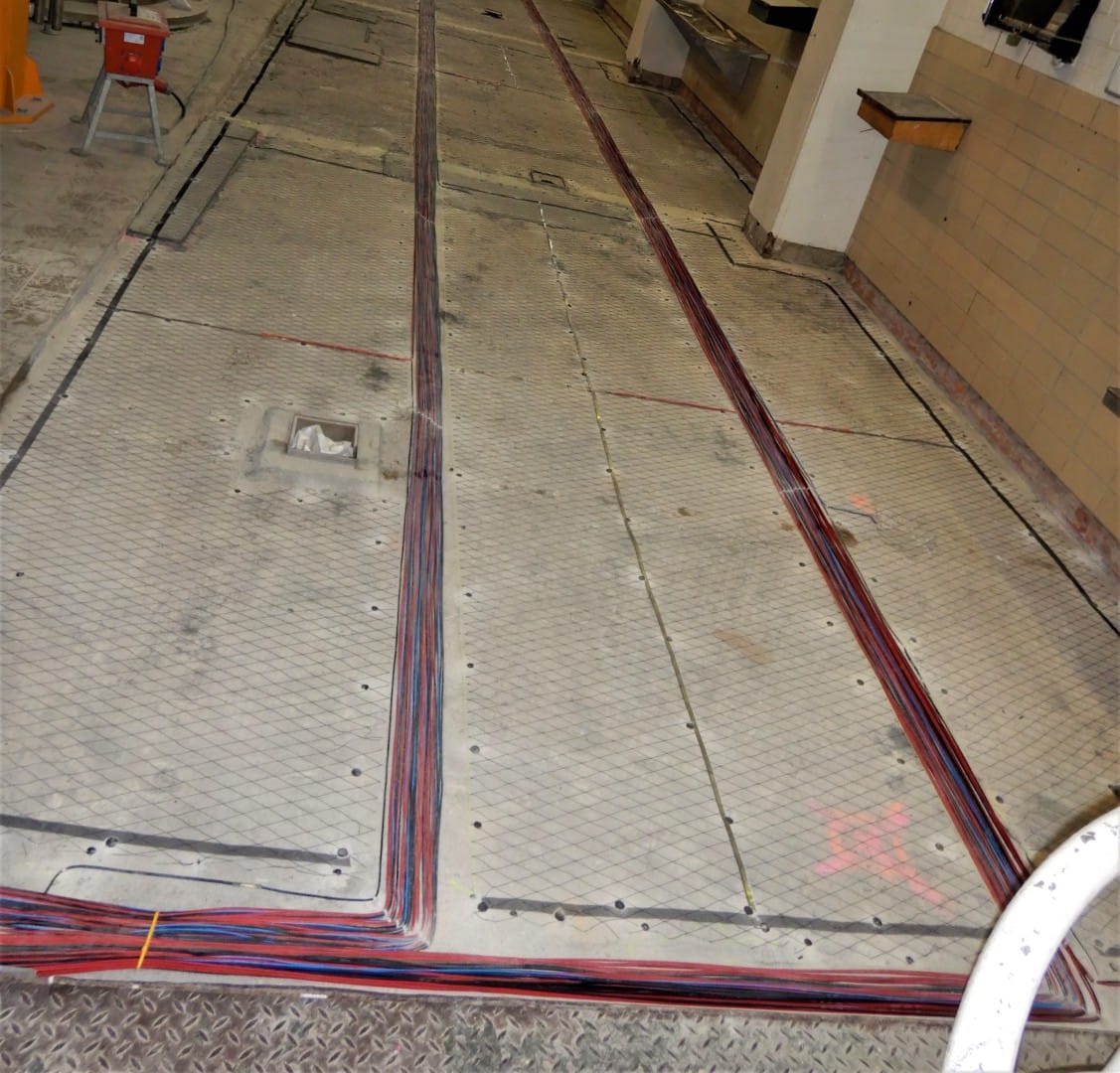
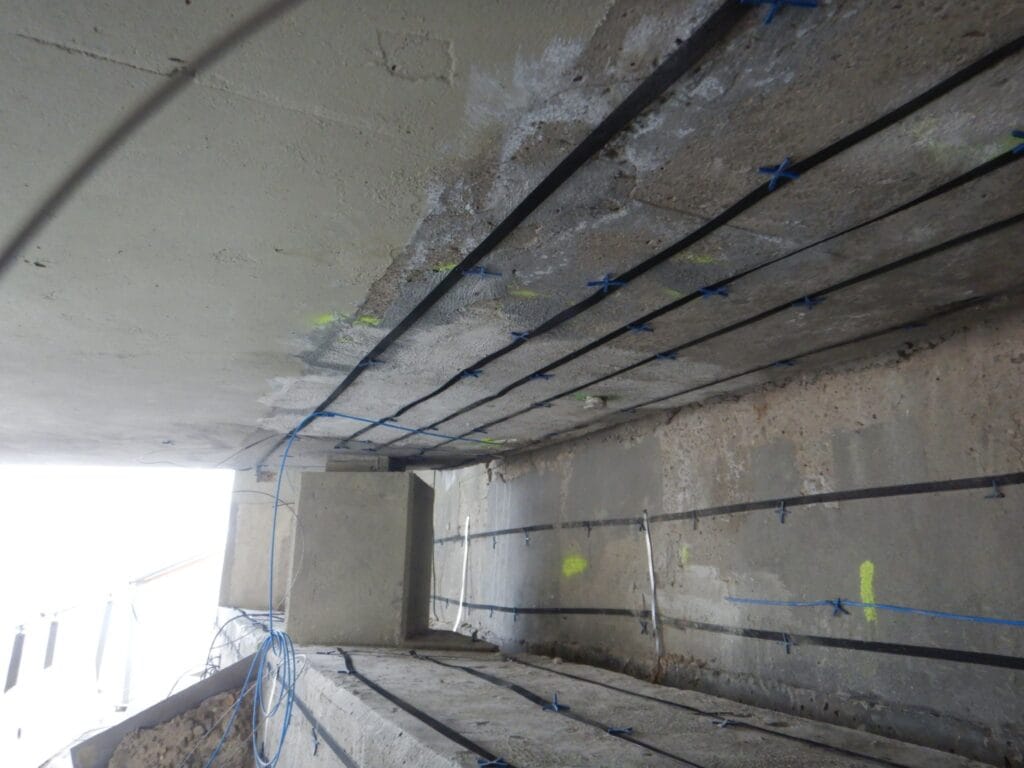
  • Design of imposed current cathodic protection systems
  • Contractor Assessment During Project Execution
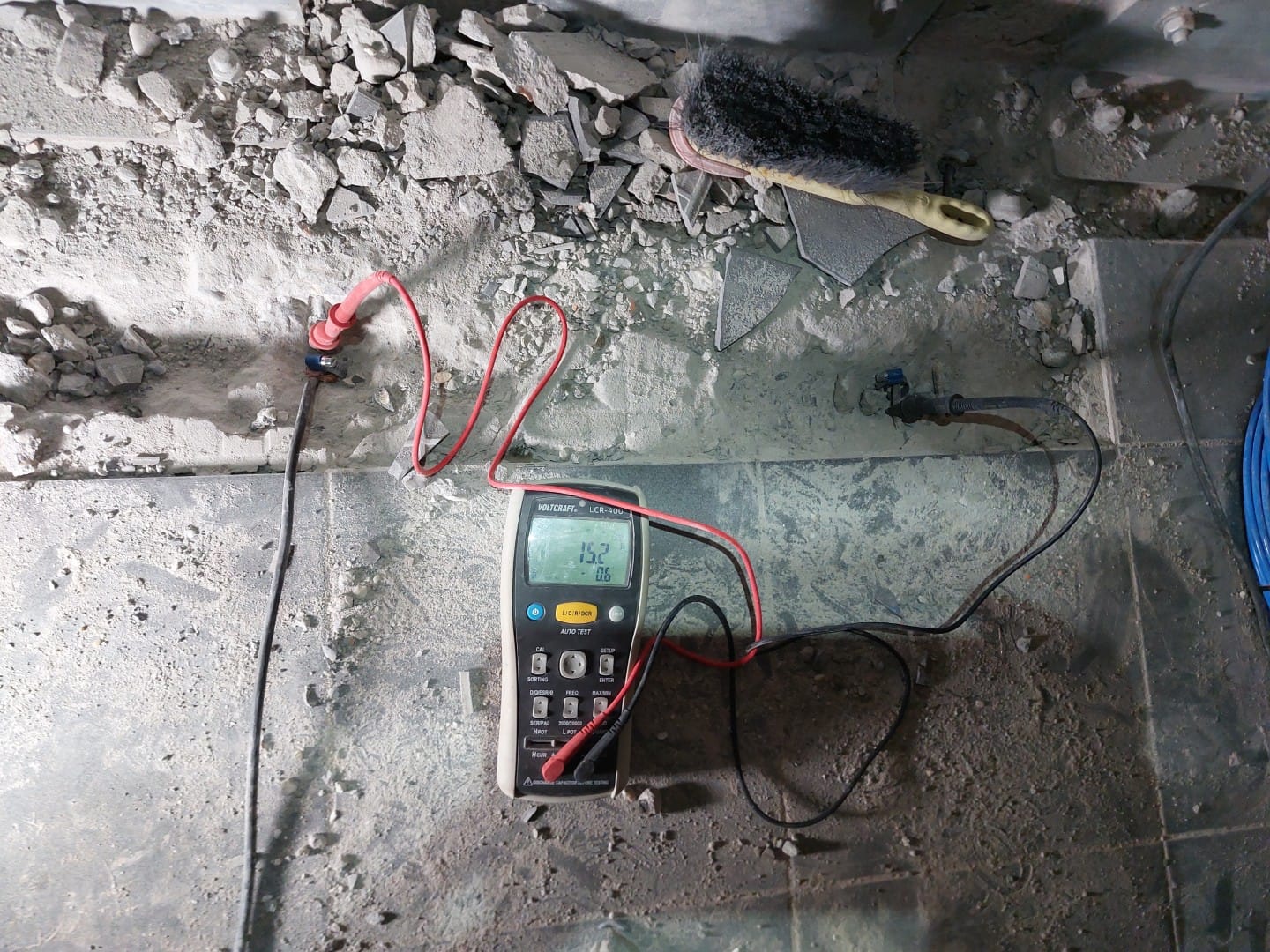
  • Performing precise control measurements, including depolarization measurements

Cathodic protection is a proven repair method for permanently halting reinforcement corrosion in reinforced concrete when it has been affected by chlorides. Trust our experts for a thorough concrete investigation and the design of a working CP system.
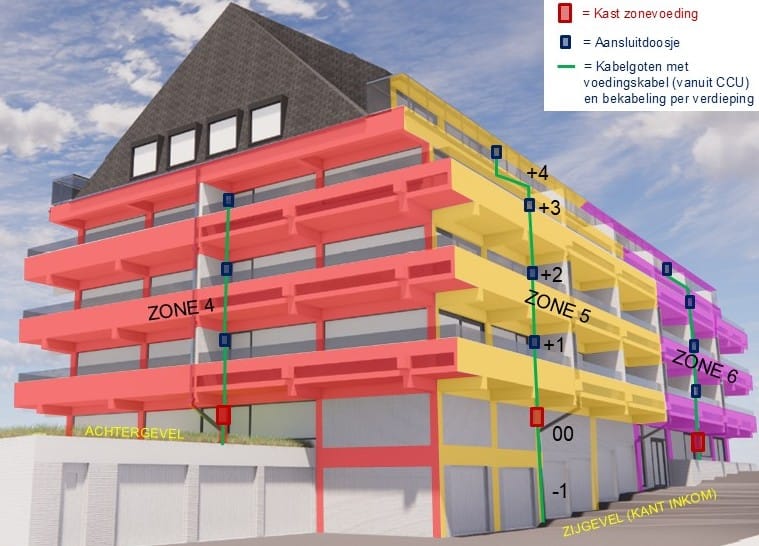
Advice & design

Advice regarding the possible implementation of cathodic protection for concrete and the selection of a specific cathodic protection system. Dozens of commercial cathodic protection systems are already available worldwide. Choosing the most suitable system for each application is crucial. This involves not only the choice between galvanic cathodic protection or impressed current cathodic protection, but also the selection of a specific anode type within each system.

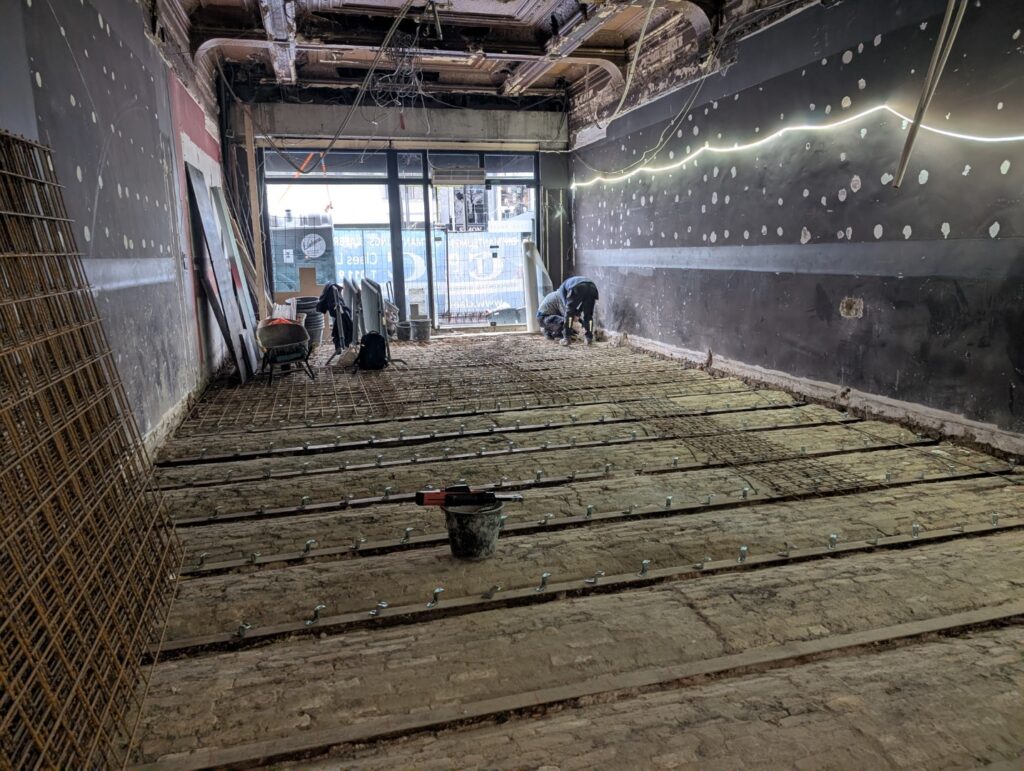
Design of a KB system : Once the decision has been made to opt for cathodic protection, a concrete design must be created. This includes selecting the most suitable anode system, the number and placement of anodes, cabling, measuring and power supplies, measuring cells (REs), monitoring, zoning, etc. The design is based on the latest standards for cathodic protection of steel reinforcement in concrete structures (EN ISO 12696:2016, CUR recommendation 45).
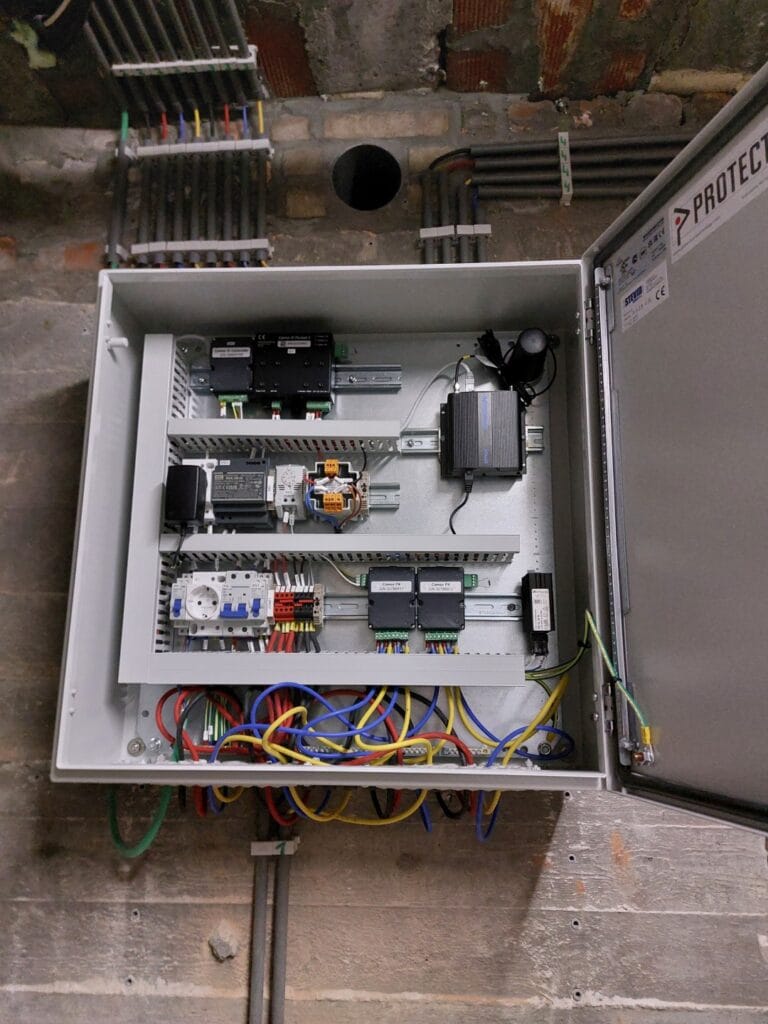
Checking the installation and operation

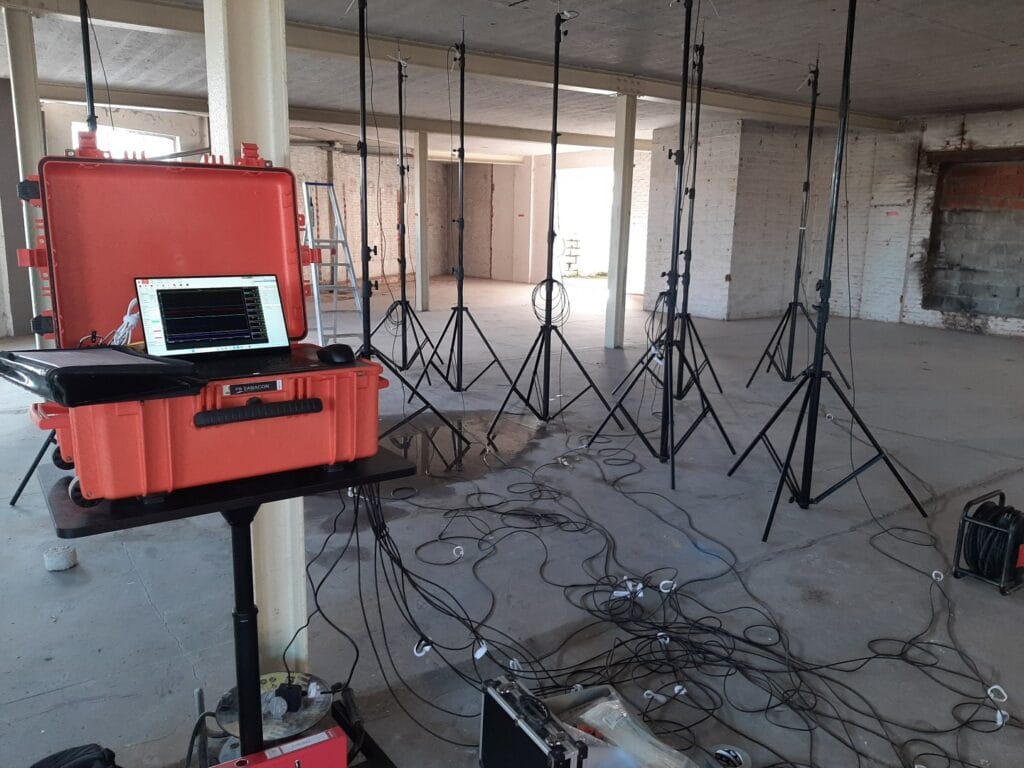
Performing control measurements : After installing a KB system, periodic control measurements must be performed (mandatory annually for impressed current systems and strongly recommended for galvanic systems). Based on these measurements, the system’s performance is evaluated, and (in the case of impressed current systems) adjustments can be made if necessary. SANACON can perform control measurements itself and critically analyze the results to determine the system’s efficiency.

Installation of test surfaces : In certain situations, it may be beneficial to test the performance of a KB system on a small scale before installing it on the entire structure. SANACON offers the option of installing a test surface and monitoring it for a specified period. Based on the monitoring results, it is determined whether the steel protection criteria are being met, and a more accurate prediction can be made regarding the KB system’s service life.

  • What is cathodic protection?

    Cathodic protection (or CP for short) is a form of corrosion control in which steel is protected by bonding it to another metal. The technique originated from the corrosion control of steel structures (e.g., steel pipelines), but its application expanded in the 1970s to include steel reinforcement in concrete structures. Cathodic protection can be divided into two types: galvanic and impressed current.
  • How is cathodic protection designed?

    We start with a thorough analysis of the structure and the corrosion problem. We then design a customized cathodic protection system, including monitoring and maintenance, to ensure long-term effectiveness.
  • When is cathodic protection a suitable solution?

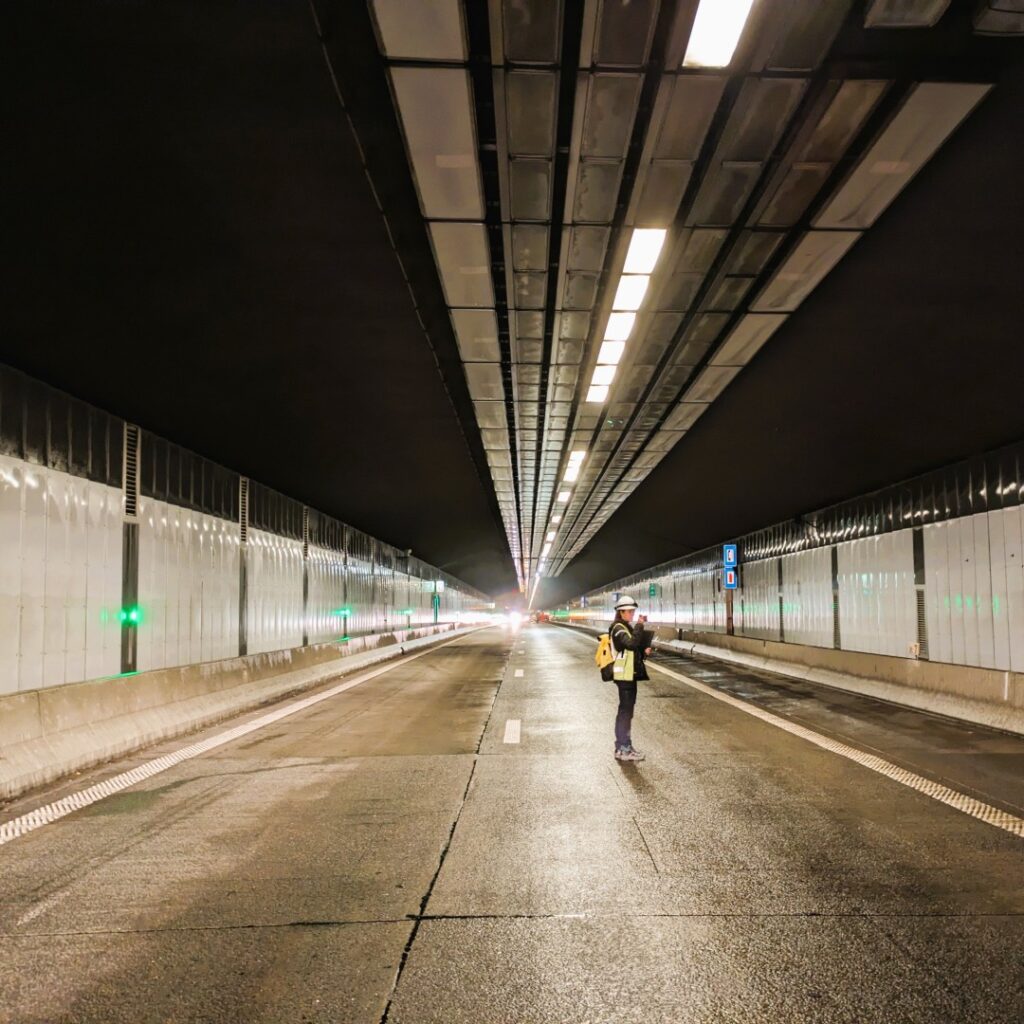
    This technique is used for structures where corrosion has already occurred or where there is a high risk, such as bridges, parking garages, tunnels, and maritime structures. It is particularly useful when traditional repair methods are insufficient to extend the service life.
  • Why is KB an interesting recovery method?

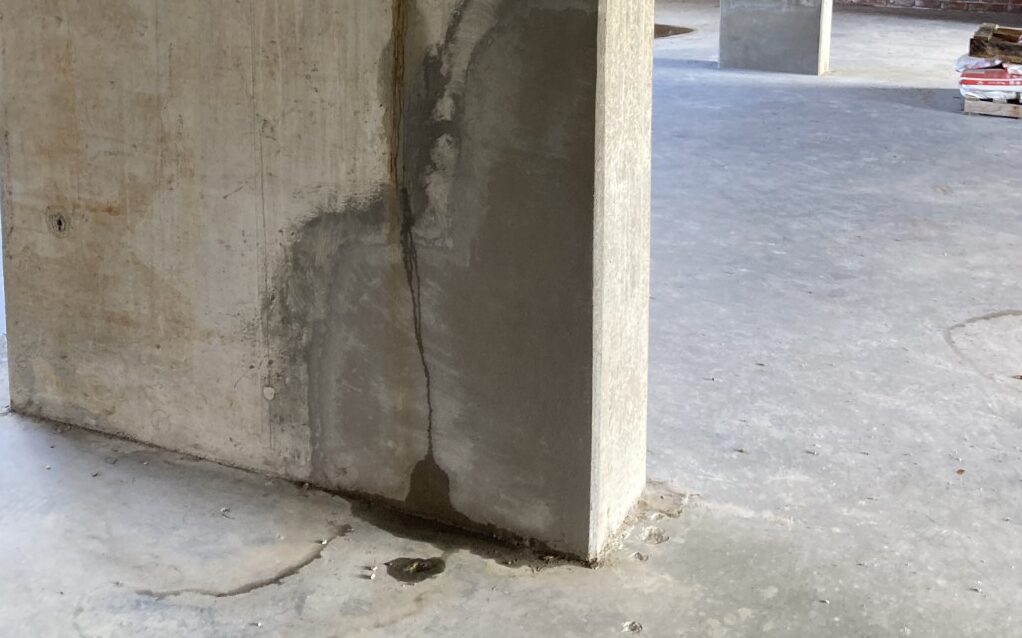
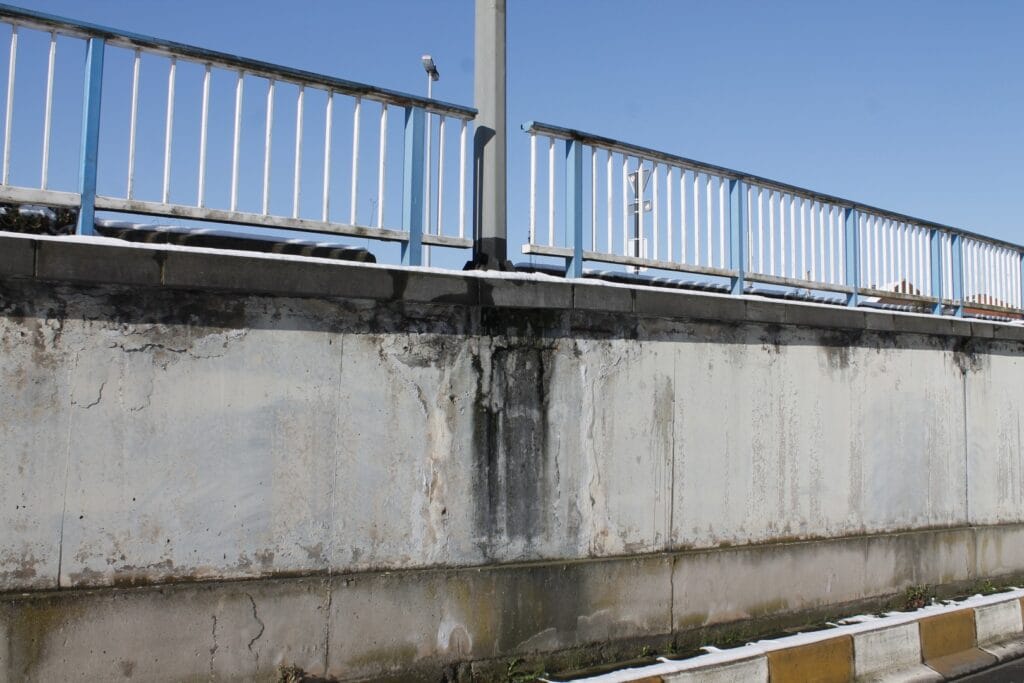
    Nowadays, a large portion of construction budgets is spent on the repair and maintenance of existing concrete structures. Corrosion of reinforcing steel (commonly known as “concrete rot”) is responsible for 55% of all durability problems. If reinforcement corrosion issues are not addressed, it can lead to cracking in the concrete or the loosening of concrete fragments. Corrosion problems are often addressed today through traditional concrete repair. However, this process requires the removal and replacement of large amounts of concrete, making it a very labor-intensive technique. Moreover, in recent years, numerous cases have emerged where traditional concrete repairs have proven to be unsustainable. Cathodic protection offers a less invasive alternative to traditional concrete repairs, while also guaranteeing the longevity of the repair.
  • What is the difference between galvanic systems (GACP) and impressed current systems (ICCP)?

    With galvanic anodes (also called sacrificial anodes), the reinforcing steel is electrically connected to another metal that is less noble than steel, such as zinc, magnesium, or aluminum. The connection of the two metals creates a galvanic cell, causing the less noble metal to dissolve, i.e., corrode. The less noble metal thus sacrifices itself to protect the steel.In impressed current CP, an inert anode (e.g., carbon or titanium) is applied to or embedded in the concrete. A voltage is applied between the anode and the steel by connecting it to an external power supply. Applying a voltage difference induces an ion current through the concrete, causing the reinforcing steel to act as a cathode, halting the corrosion process of the steel.
BLOG

Related news

Lorem ipsum dolor sit amet, consectetur adipiscing elit, sed do eiusmod tempor incididunt ut labore et dolore magna aliqua. Ut enim ad minim veniam, quis nostrud exercitation ullamco laboris nisi ut aliquip ex ea commodo consequat. Duis aute irure dolor in reprehenderit in voluptate velit esse cillum dolore eu fugiat nulla pariatur.


Blog

We are happy to help you

Your structure deserves a future. Protection against deterioration, strengthening its load-bearing capacity, and extending its lifespan are crucial to prevent damage and high costs. Sanacon offers independent advice and innovative solutions to keep your structure sustainable and safe – today and for decades to come.