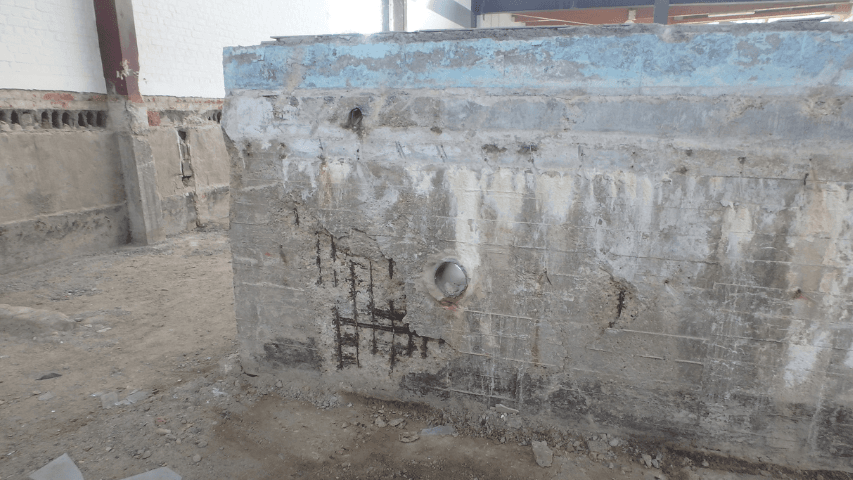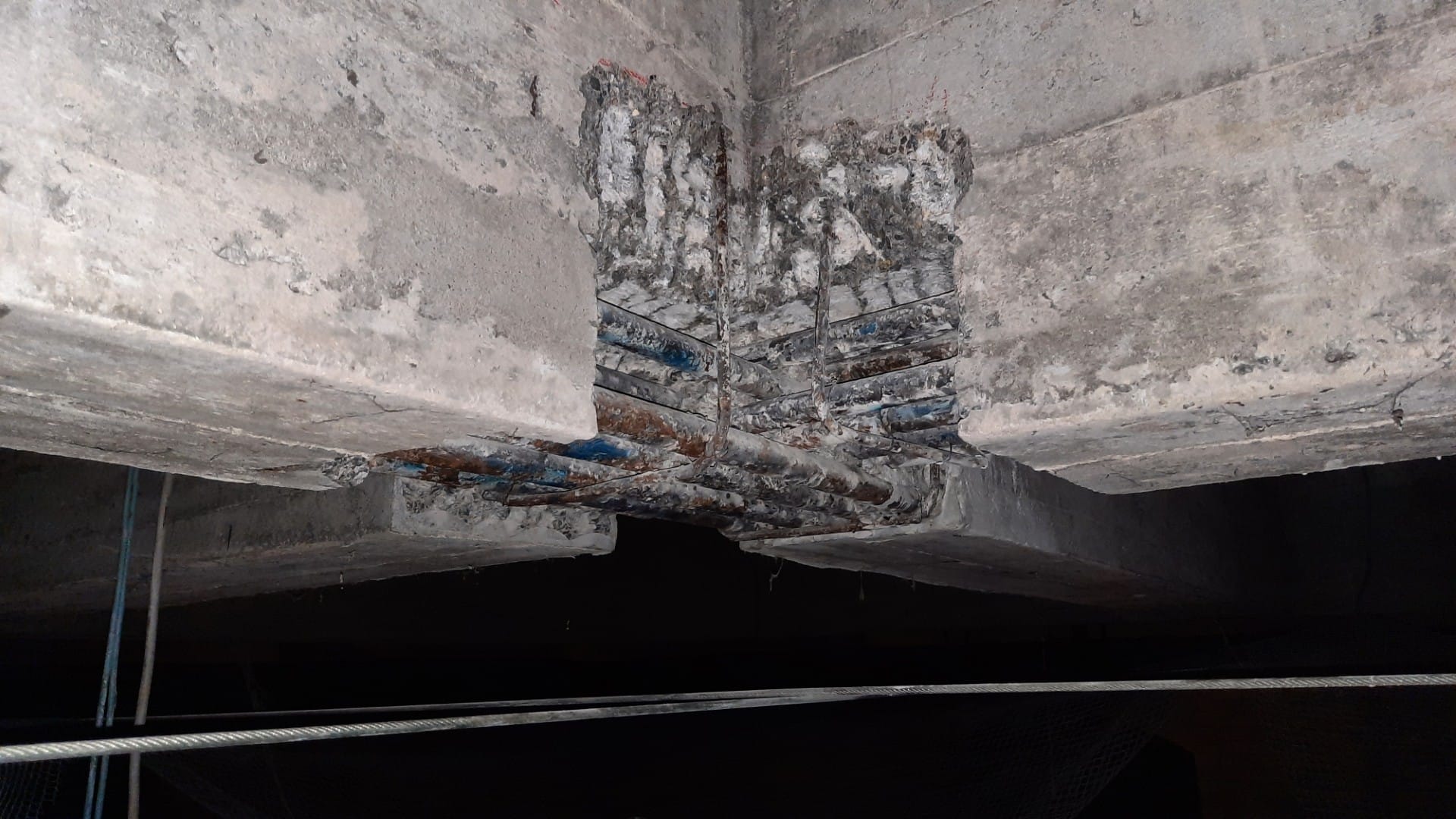

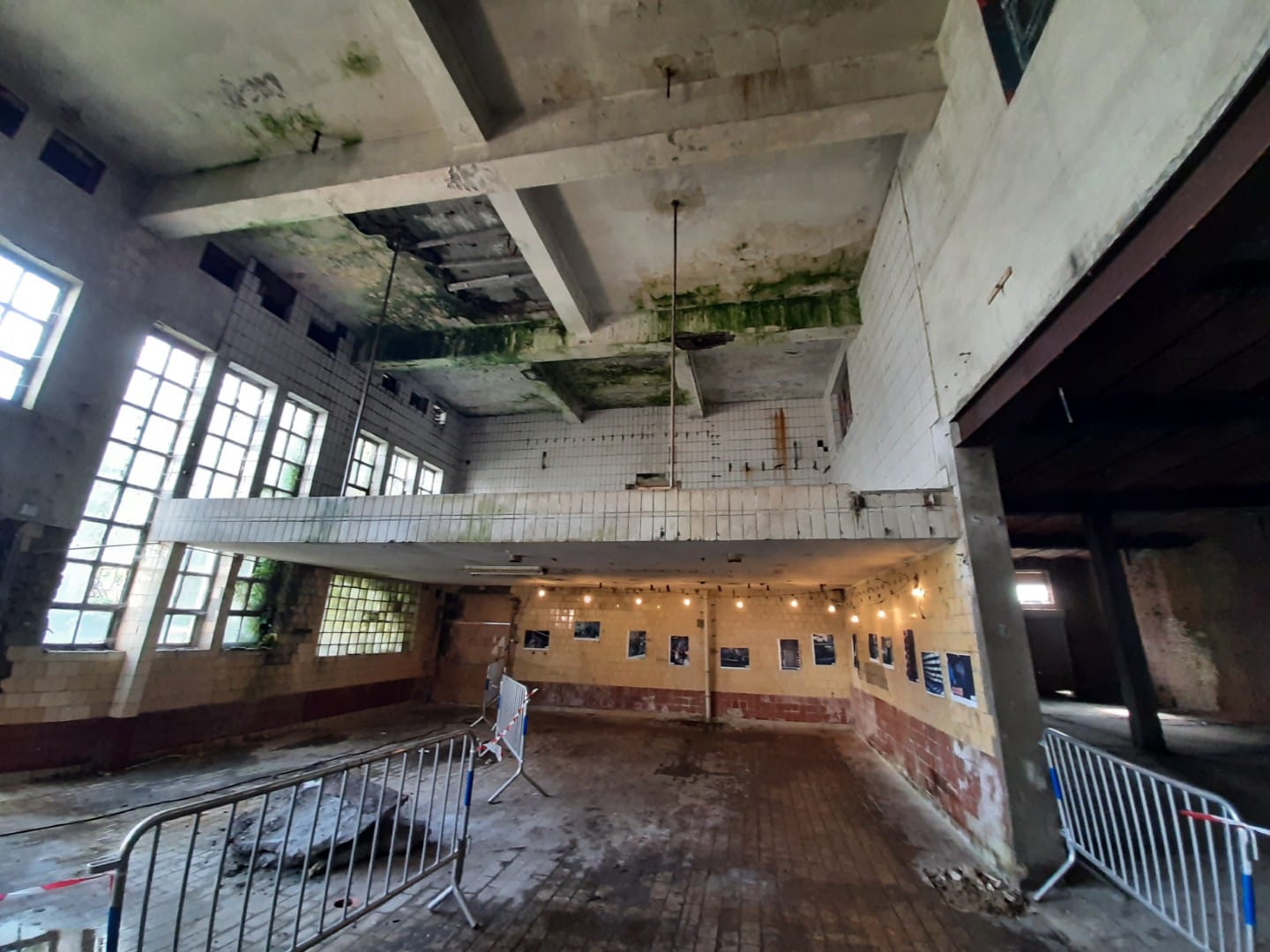
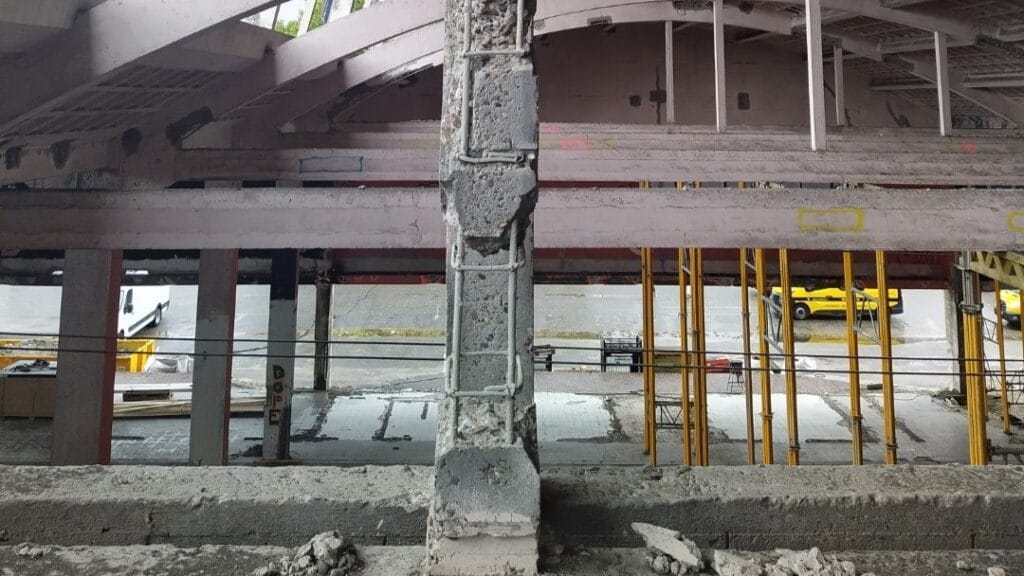
At Sanacon, our structural inspections focus on ensuring the stability and safety of your infrastructure. Our structural analysis evaluates the structure’s load-bearing capacity, taking into account loads, materials, and environmental conditions. We assess whether the structure meets standards and whether there are any risks to its stability. Based on our findings, we advise on any reinforcement or remedial measures in the context of potential repurposing.
With Sanacon, you get a thorough analysis of the stability of your structure, so you can intervene promptly and guarantee long-term safety.
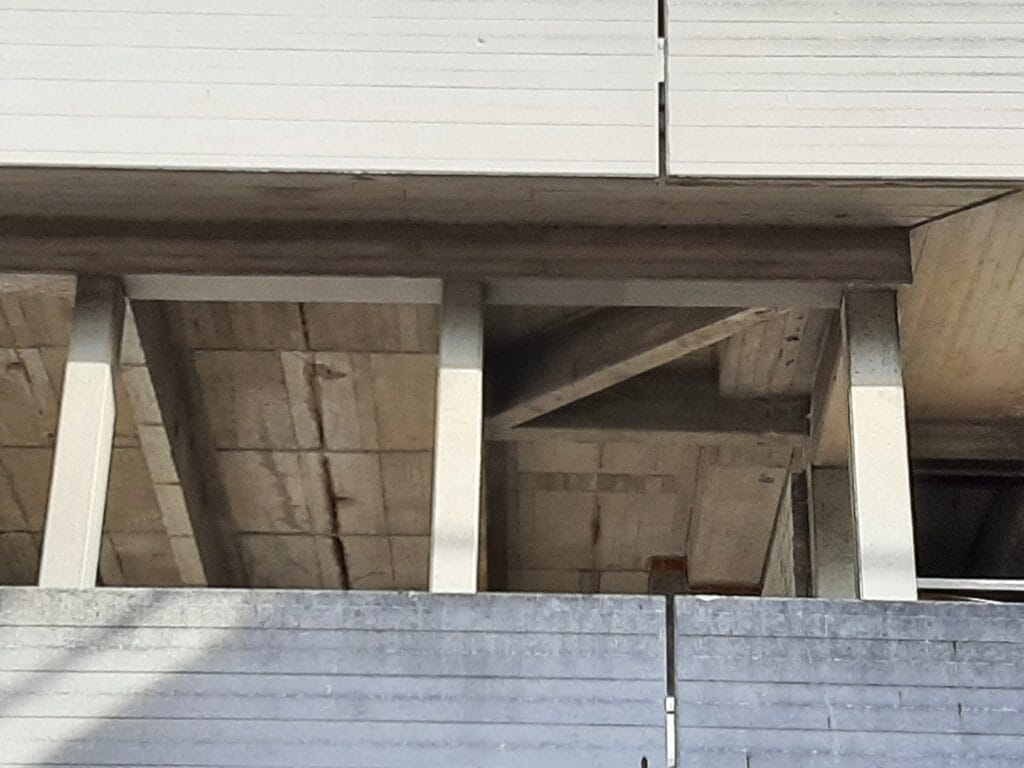
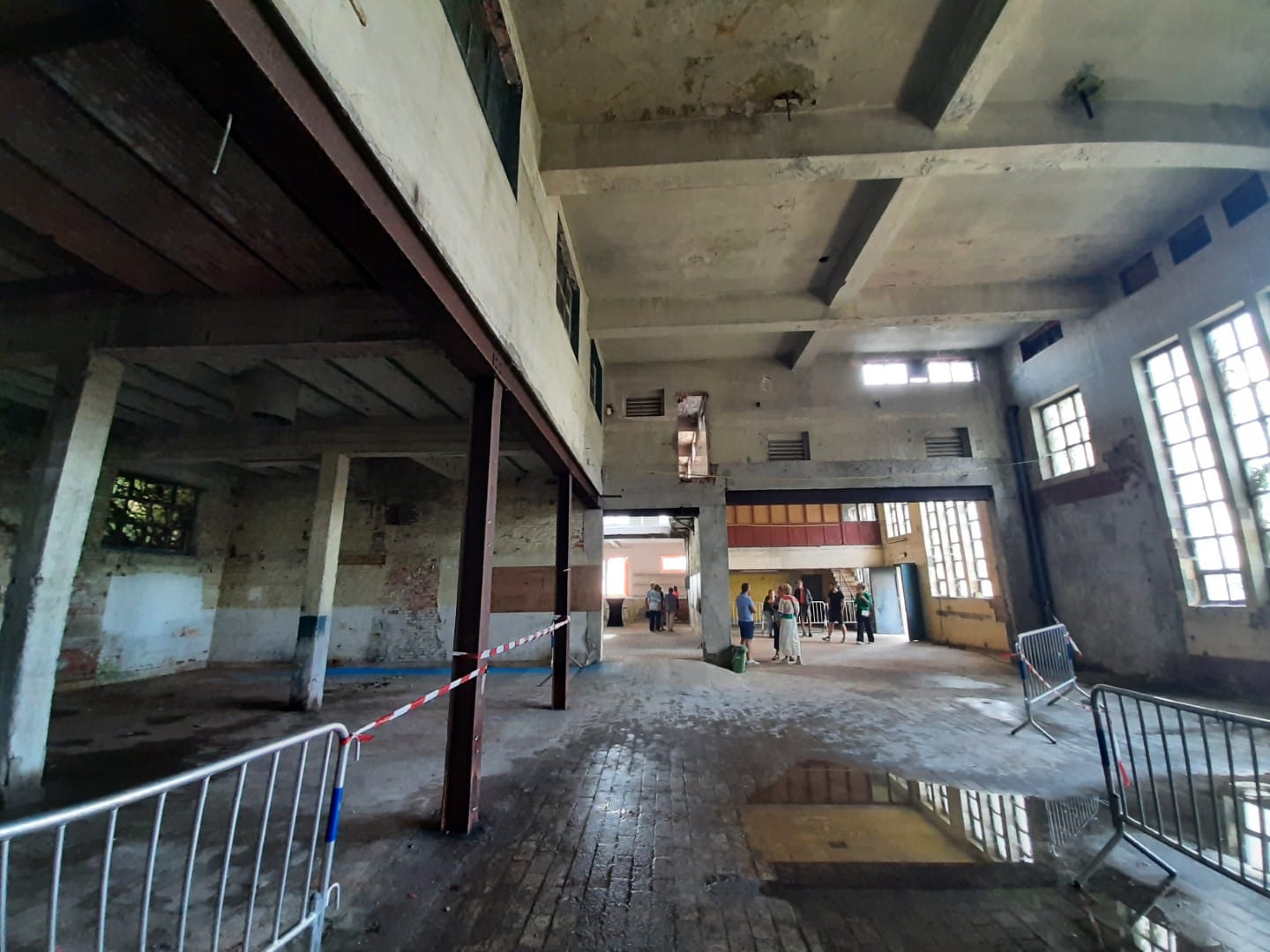
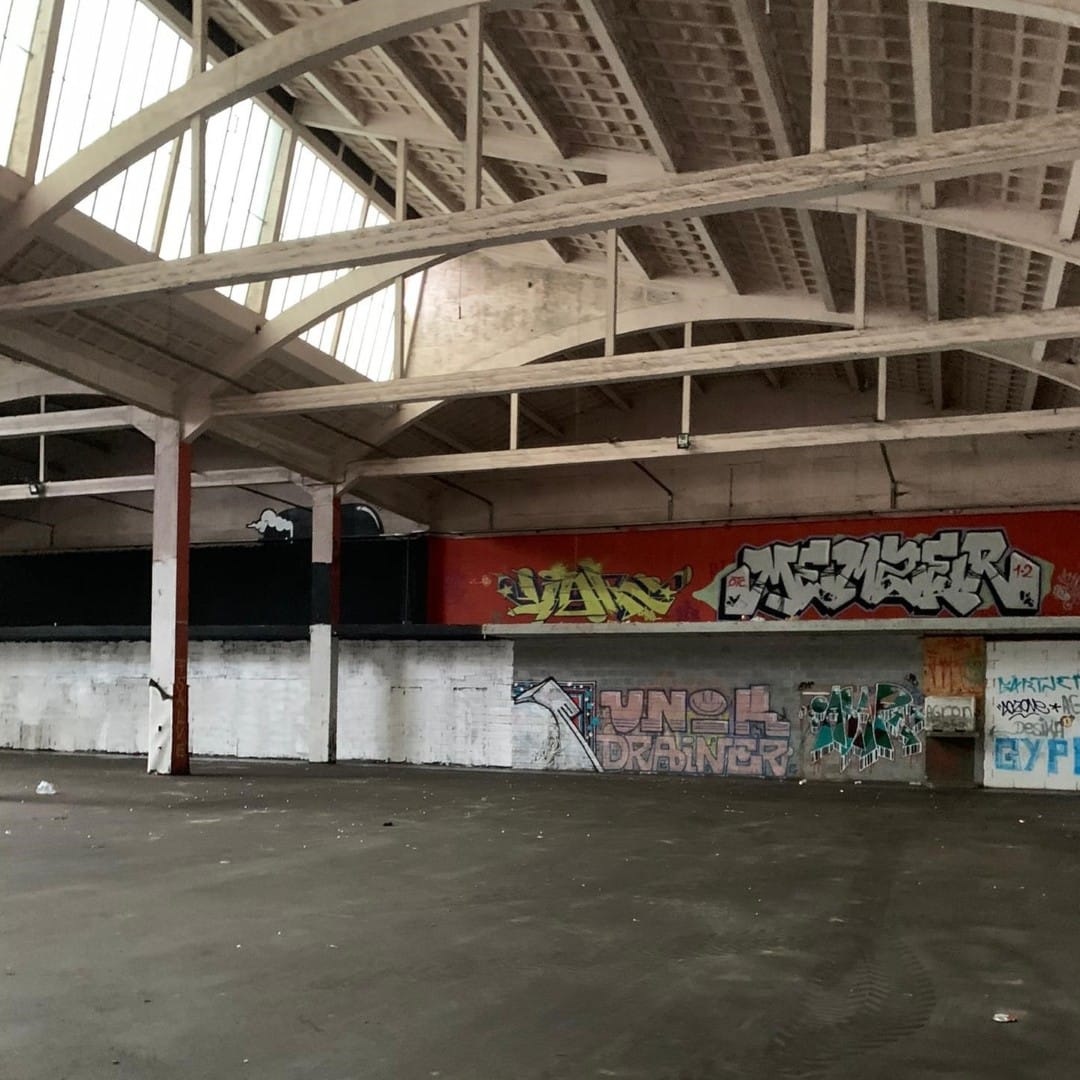
Repurposing buildings is a sustainable and creative solution for giving existing structures a new lease on life. This process involves repurposing a building for a different purpose than its original design. Think of converting old factories into lofts, churches into libraries, or office buildings into residential complexes. Repurposing contributes to the preservation of cultural heritage, reduces construction waste, and lowers the ecological footprint compared to demolition and new construction.
When repurposing a building, a thorough structural analysis is crucial. Every building is designed with specific functions and loads in mind, and a new purpose can place new demands on the supporting structure.
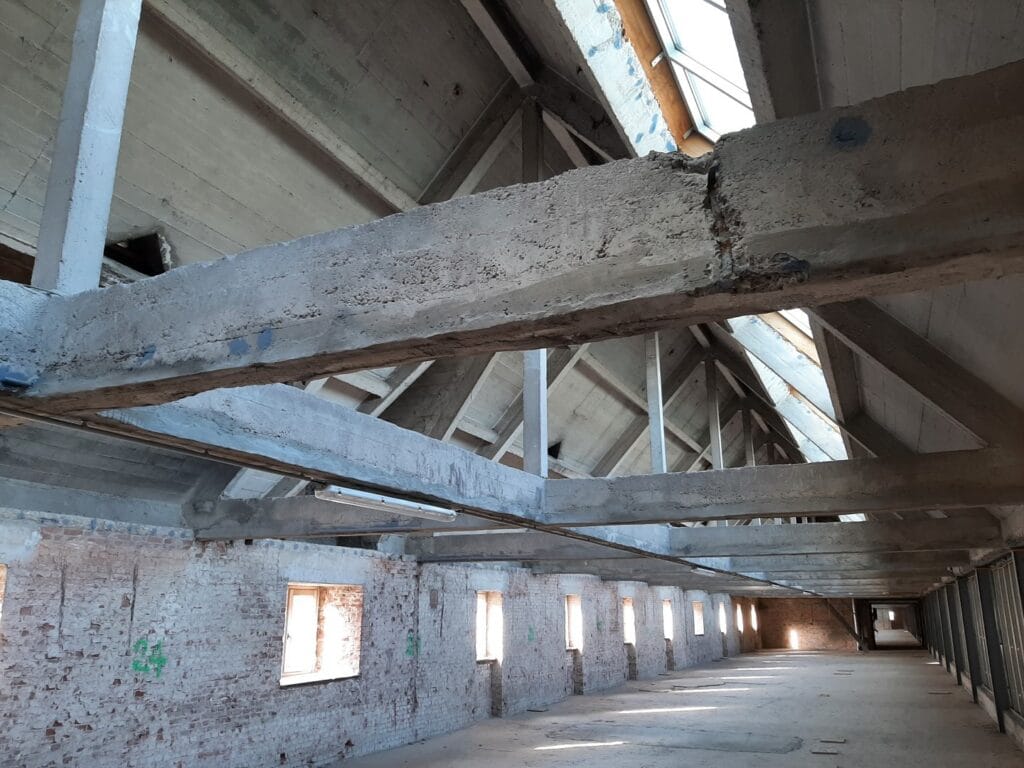
Analyzing the load-bearing capacity of existing structures is essential to ensure the safety and functionality of buildings and infrastructure. This analysis identifies how well a structure can withstand current and future loads.
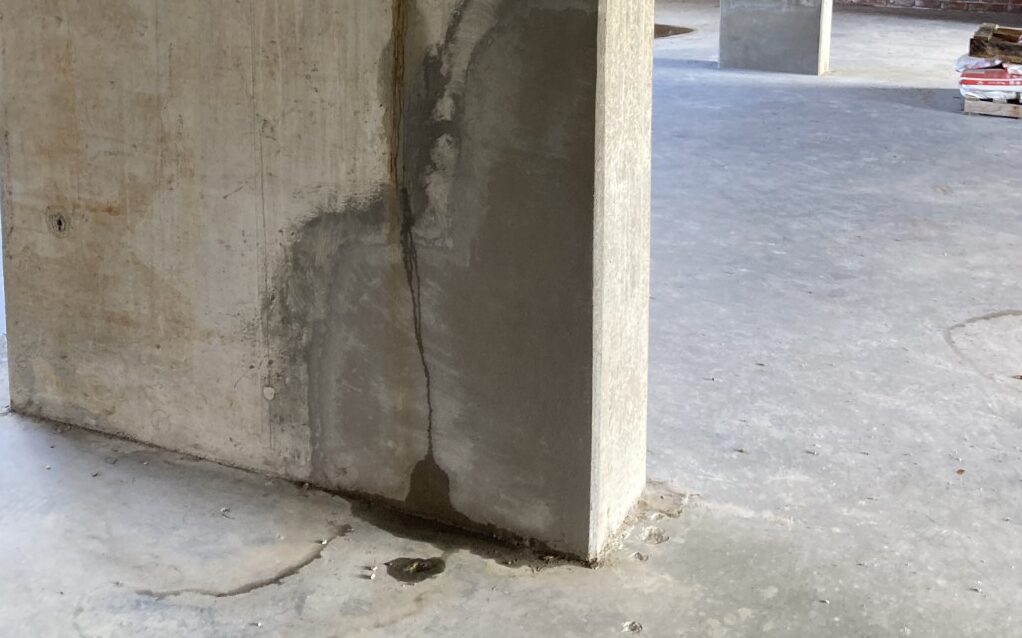
Key steps include inspecting the current condition of materials, identifying any damage or degradation, and comparing the original design criteria with the current load requirements. When repurposing buildings or requiring increased load requirements, such as adding additional floors or heavier installations, a load-bearing capacity analysis is crucial.
This analysis allows engineers to optimize structural performance, identify necessary reinforcements, and meet safety requirements. This contributes to more sustainable management and extends the structure’s lifespan.
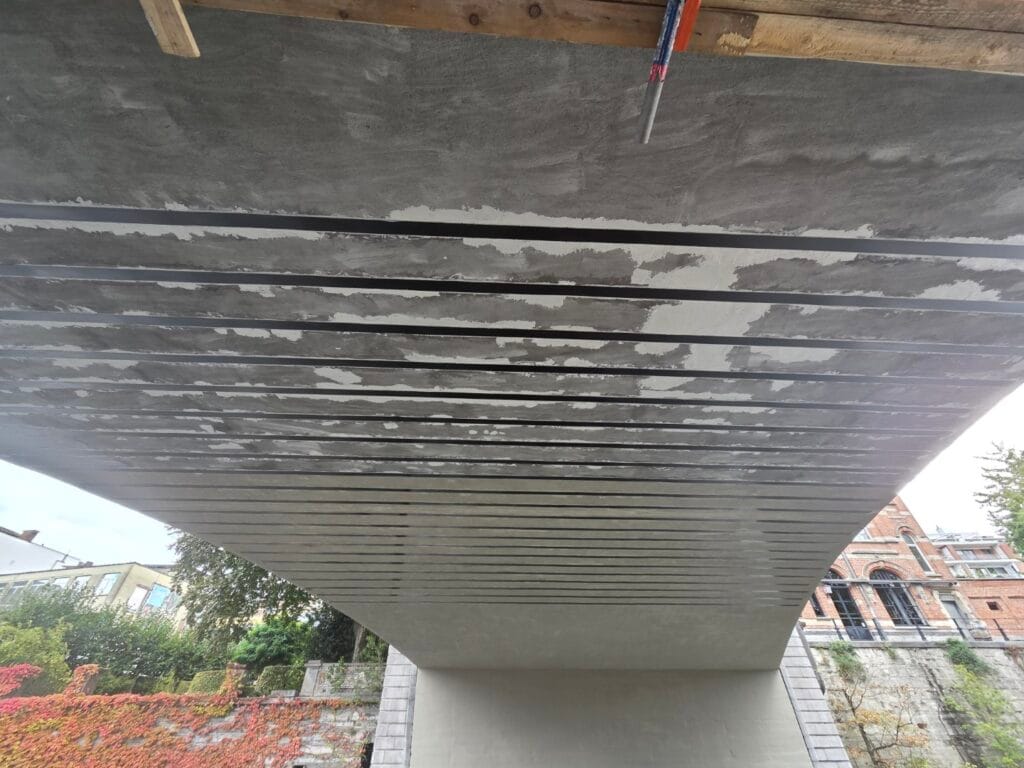
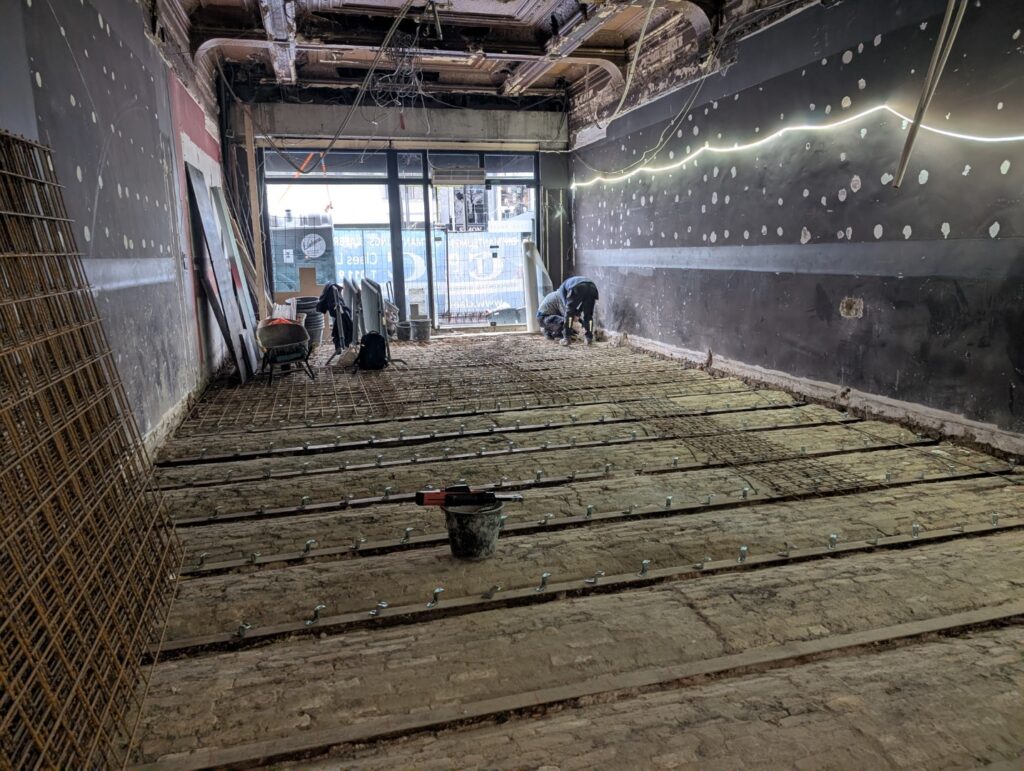
Reinforcing concrete elements is a commonly used technique to improve the load-bearing capacity, stability, and durability of existing structures. This may be necessary in response to increased loads, changing functional requirements, or damage due to aging, overloading, or external factors.
An effective method is the use of bonded reinforcement, such as carbon fiber strips (CFRP). These strips are applied to concrete surfaces with a special adhesive and provide additional strength without significantly increasing weight or volume. Other techniques include applying external steel plates or injecting cracks with reinforcing resins.
Reinforcing concrete elements can extend the lifespan of a structure, meet safety requirements, and allow for repurposing or more intensive use without complete replacement.
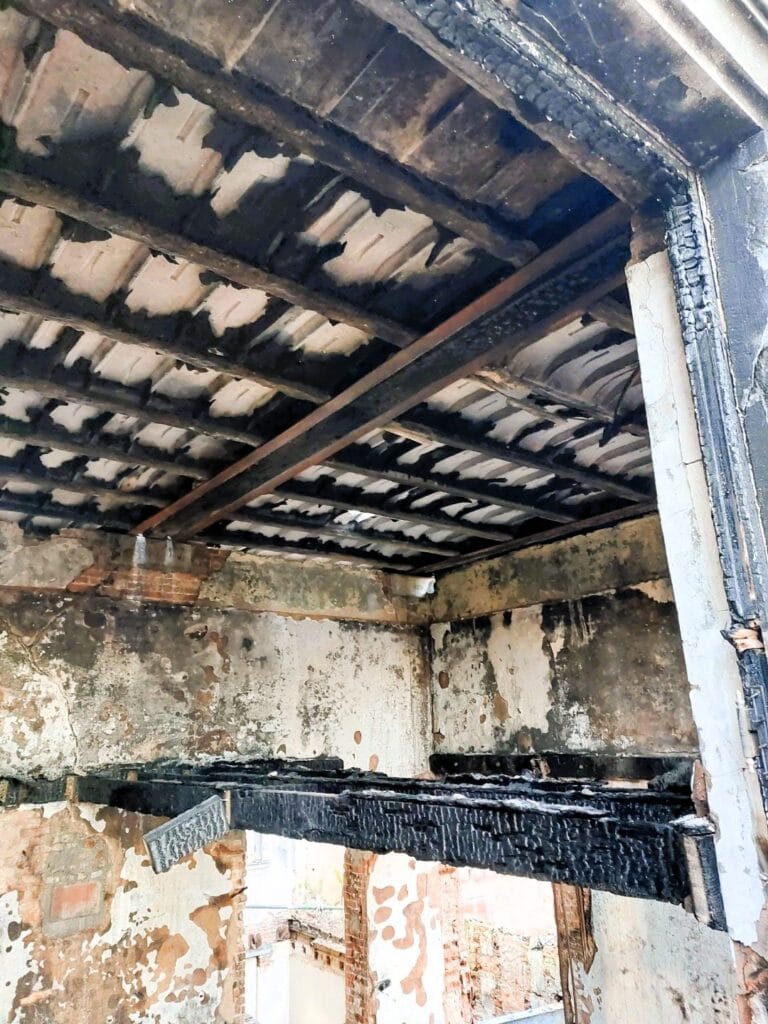
The fire resistance of a structural element determines how long it can withstand the effects of fire, such as high temperatures, without losing its load-bearing or separating function. This is calculated at the element level to comply with regulations and ensure the safety of the entire structure.
Factors that play a role here include material properties, element dimensions, load, and thermal exposure. For concrete, for example, considerations include reinforcement coverage, concrete composition, and the material’s temperature sensitivity. For steel elements, protective layers, such as fire-resistant coatings, are essential to delay the critical temperature.
The calculation helps to take targeted measures, such as increasing coverage, applying protective layers, or selecting fire-resistant materials. This increases building safety and protects occupants in the event of fire.
Even after a fire has occurred, Sanacon can be called in to calculate the residual load-bearing capacity and provide advice on reinforcement measures.
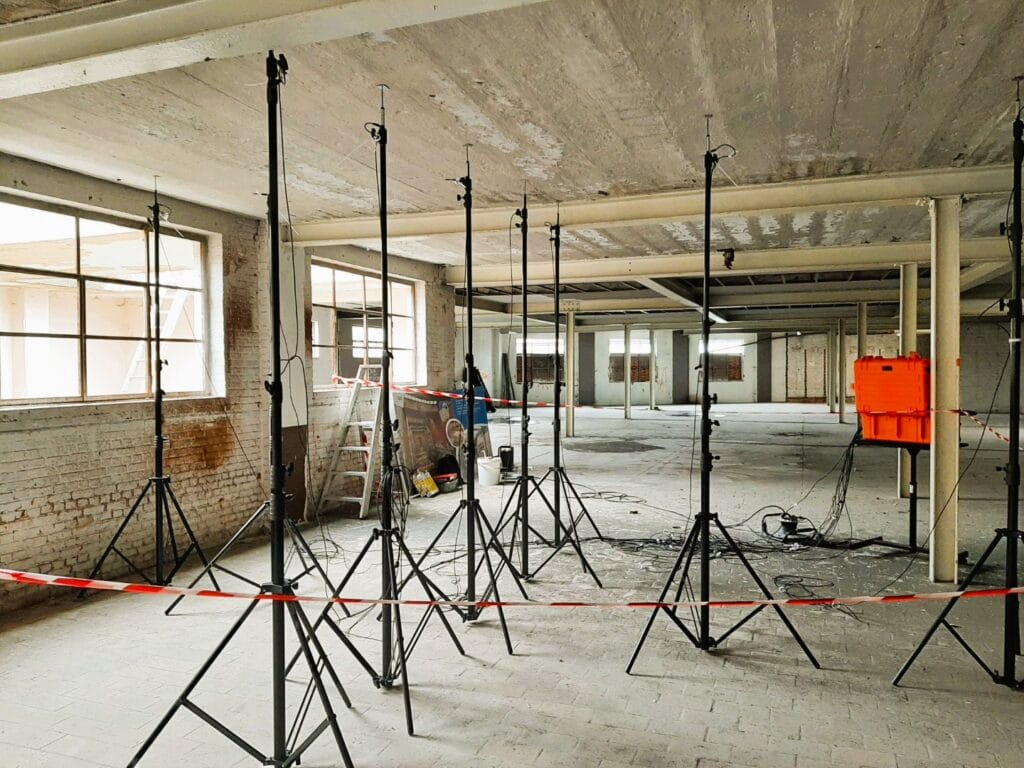
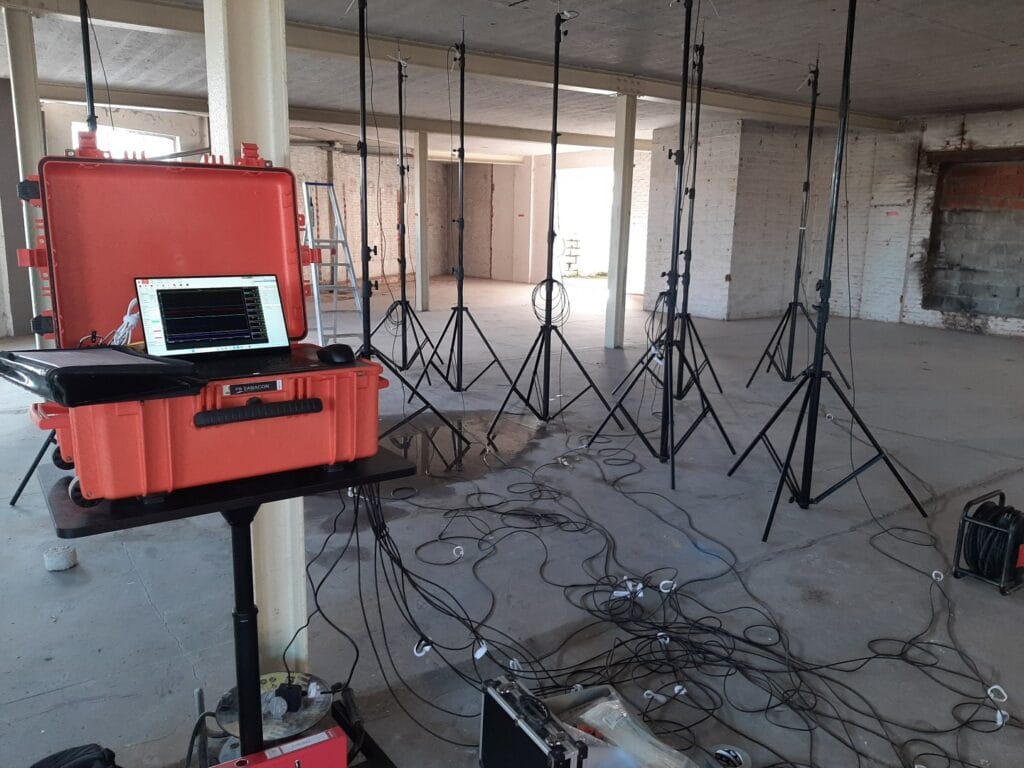
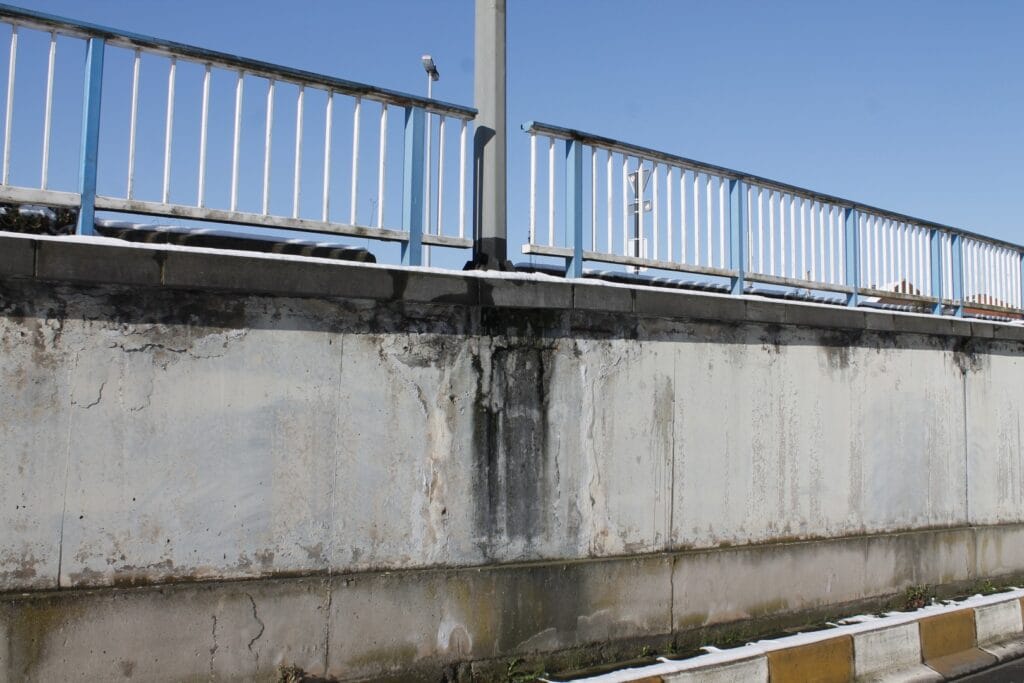
Test loads are practical tests used to verify the load-bearing capacity and performance of an existing structure under realistic loading conditions. This method is often used on bridges, floors, or other load-bearing elements to verify the reliability of calculations or to evaluate the current condition of the structure.
During a test load, a controlled load is applied while the deformations and stresses are accurately measured. The results provide insight into the structural performance and potential shortcomings, such as aging, damage, or hidden weaknesses.
Test loads are a valuable tool to ensure safety, assess reinforcement needs, and provide a solid foundation for renovation or repurposing of structures.
Discover some recent projects here.