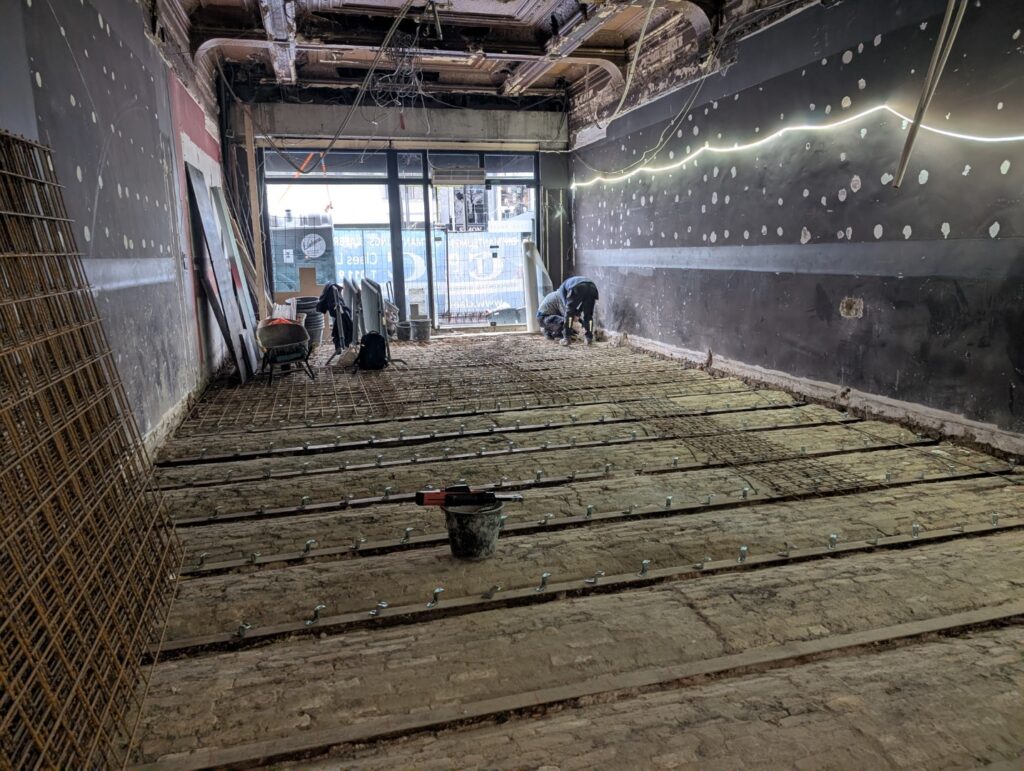
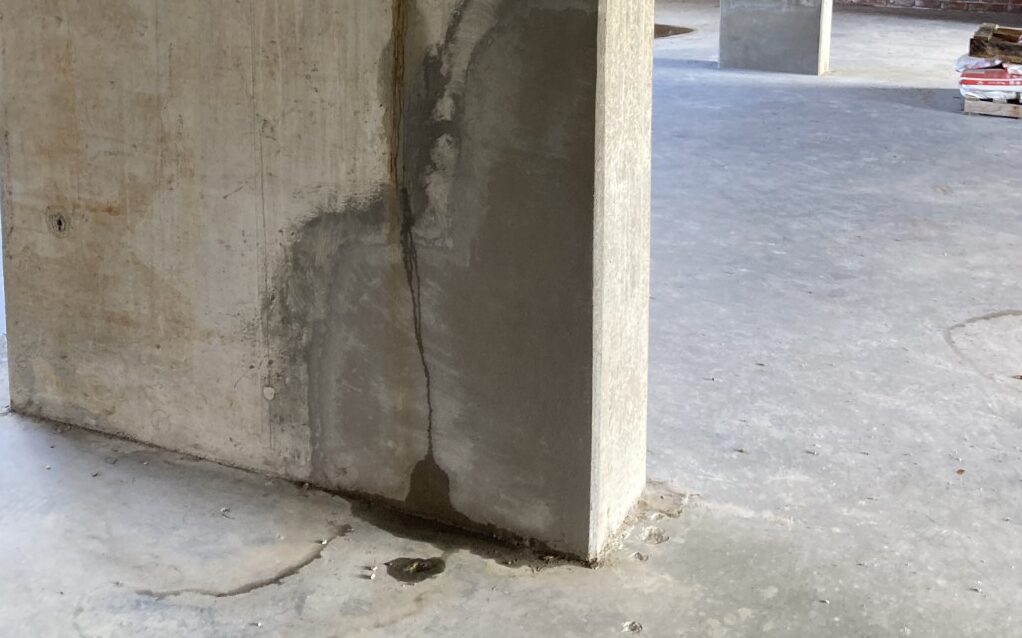
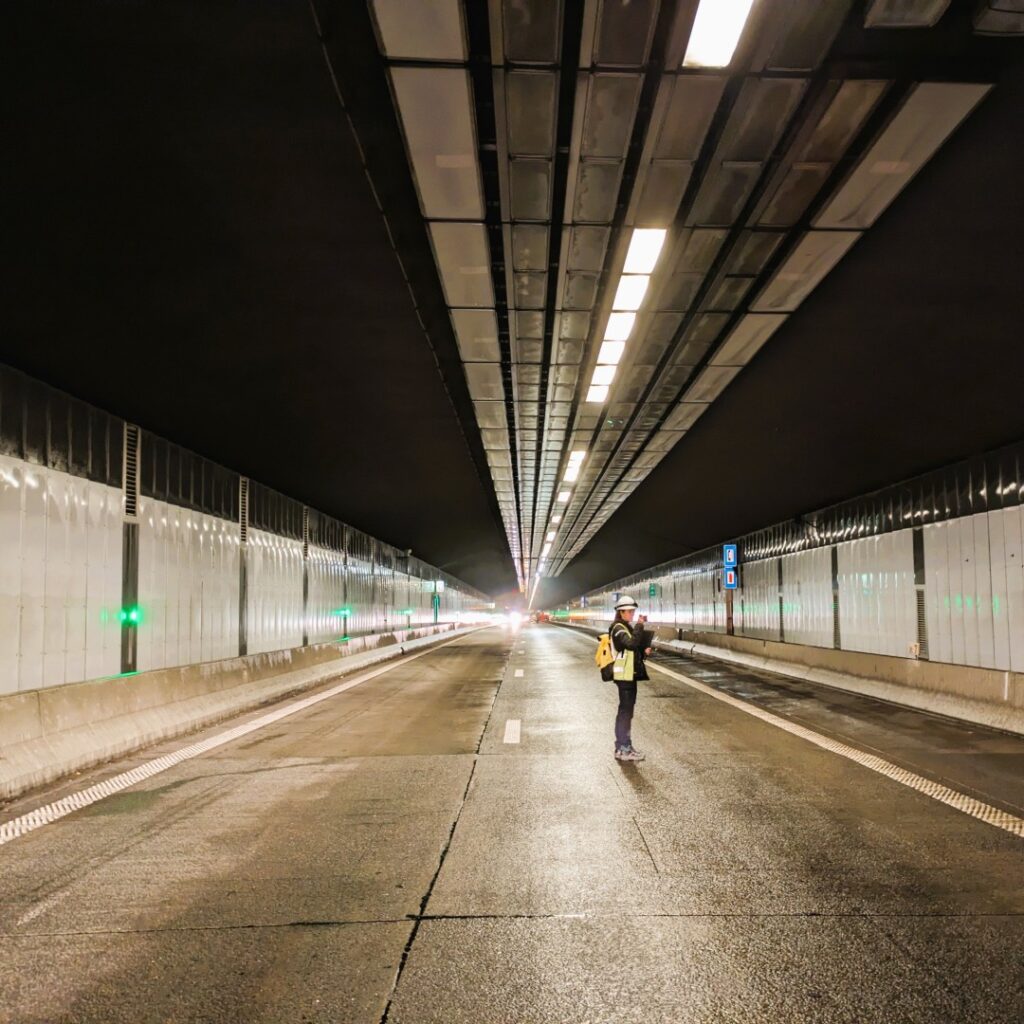
Over the course of their service life, existing concrete structures are exposed to environmental influences, mechanical loads, and chemical degradation processes. To prevent concrete decay or corrosion from leading to unexpected damage, an accurate calculation of the remaining lifespan of concrete is essential. Using advanced probabilistic modeling standards and our proprietary software platform DIMCOST® , managers, owners, and engineers gain clear, scientifically substantiated insight into the current condition of their concrete. This makes it possible to extend the lifespan of concrete in a timely and cost-effective manner and to get the most out of existing infrastructural and structural assets.
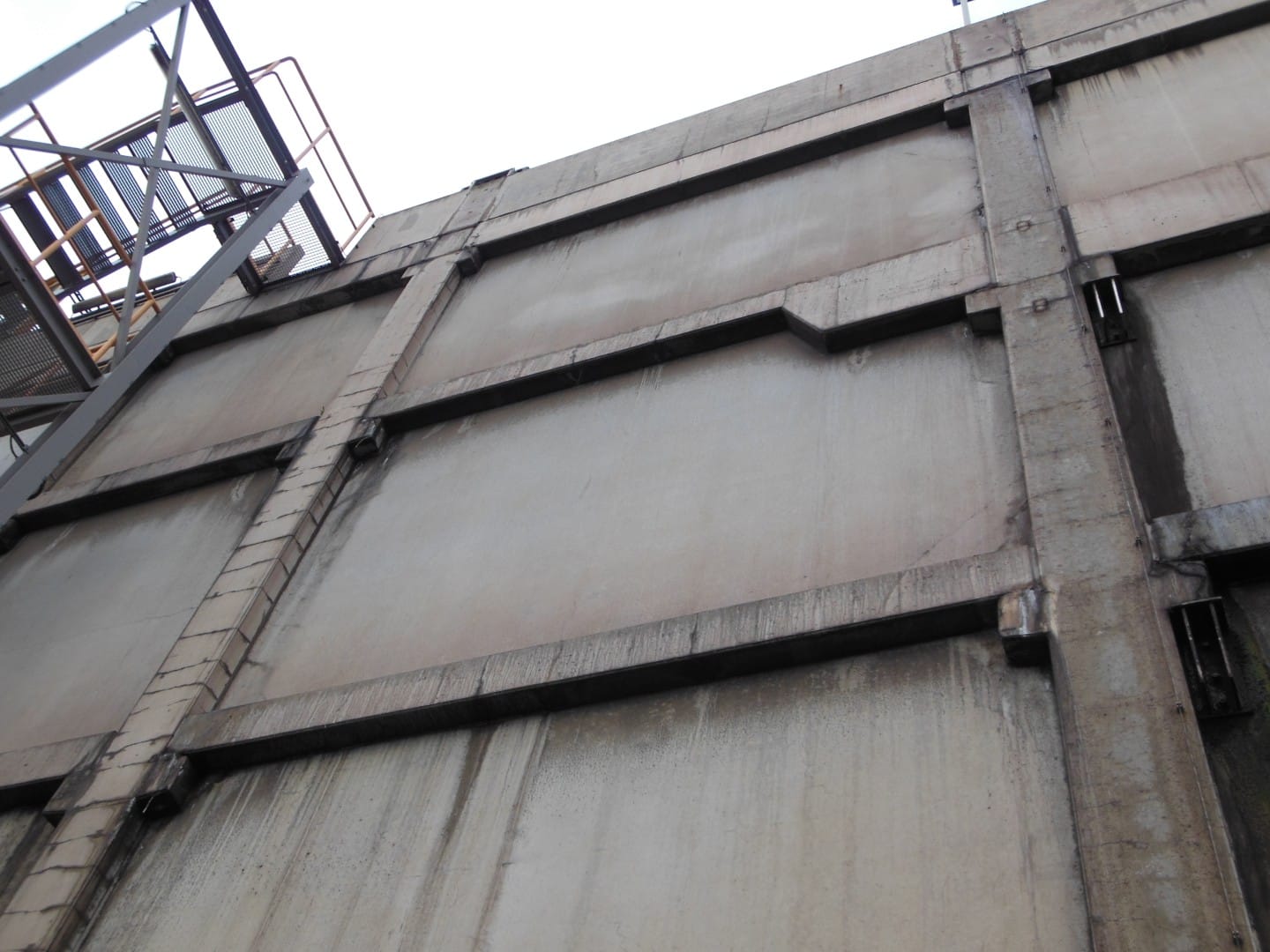
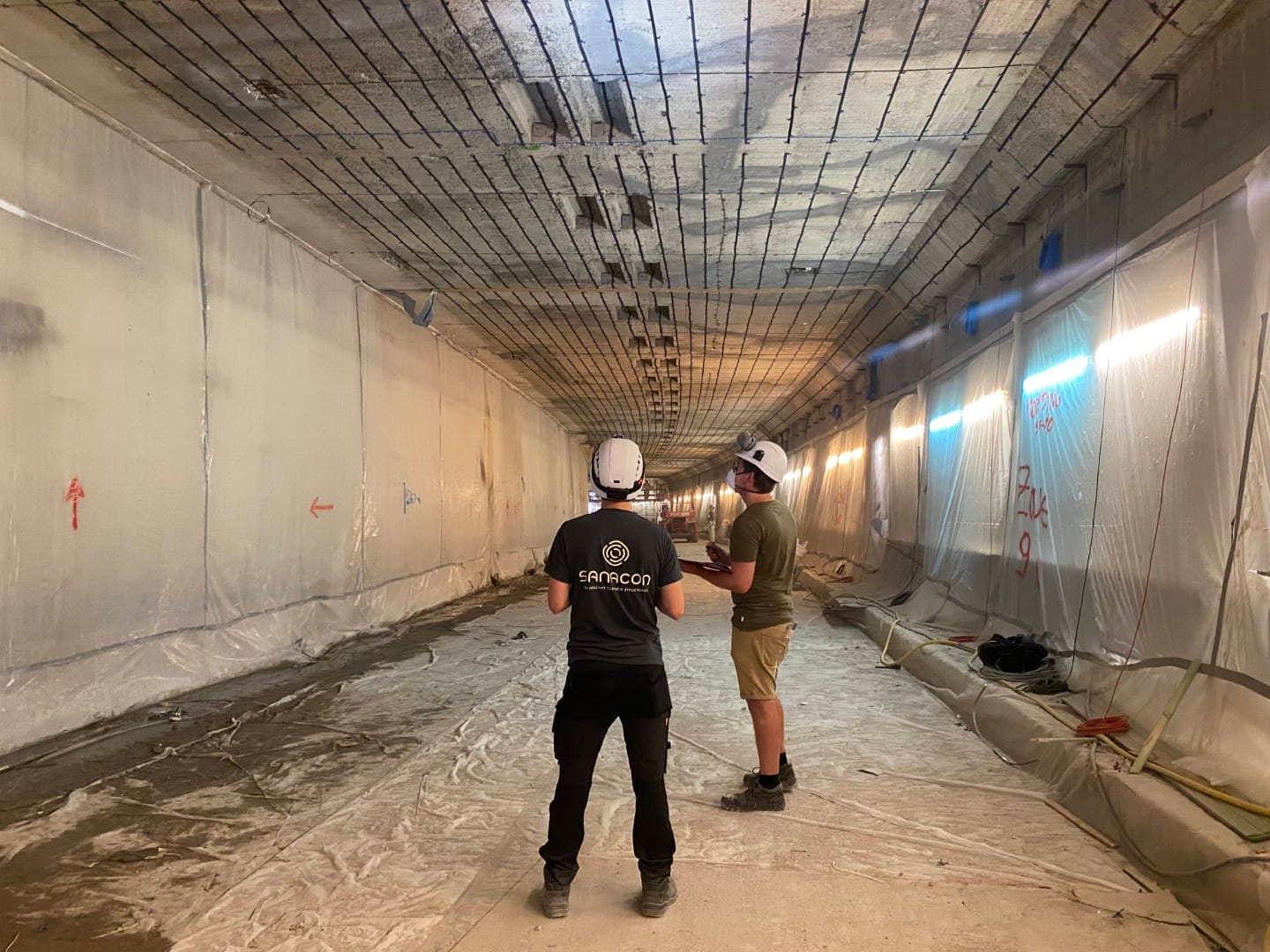
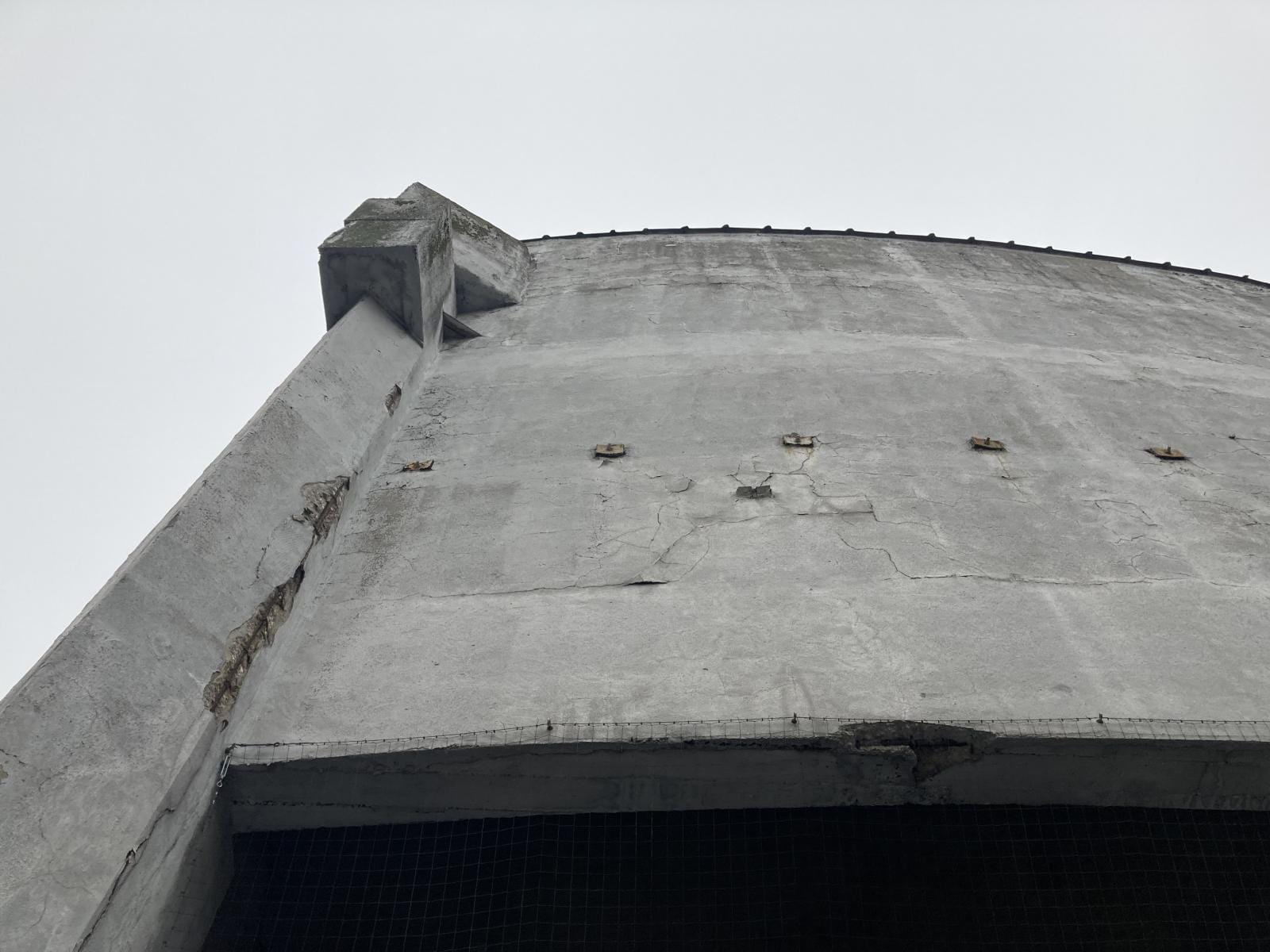
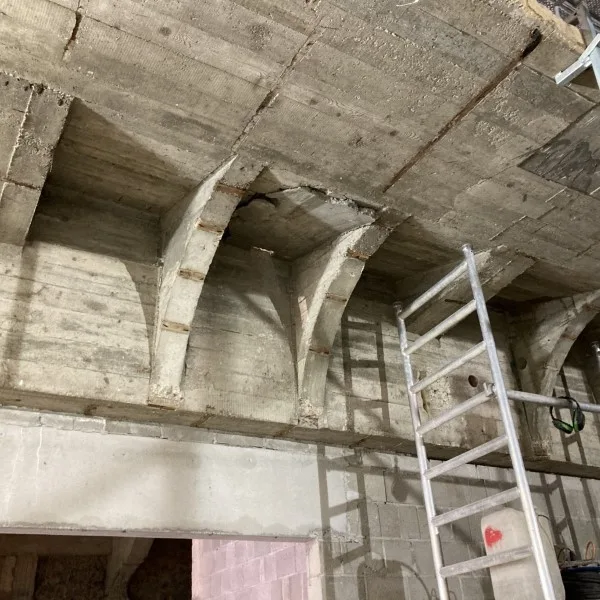
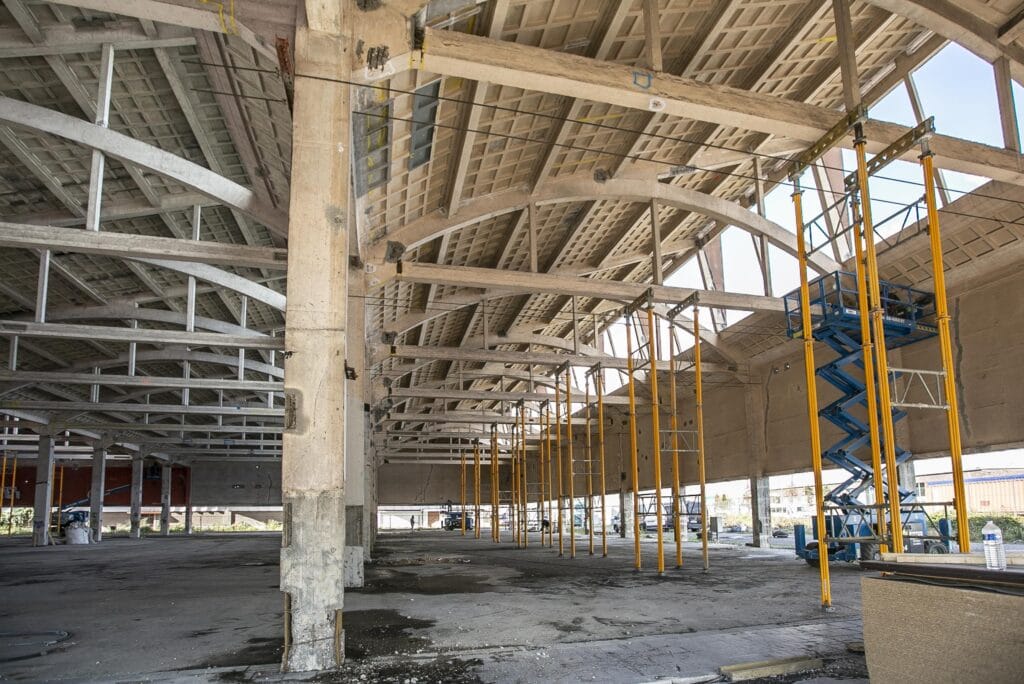
Substantiating a remaining service life calculation begins with a thorough concrete inspection and research in the field and the laboratory. The two main chemical causes of reinforcement corrosion (concrete decay) are carbonation (lowering of pH due to atmospheric CO₂) and chloride intrusion (originating from sea air or de-icing salts). To quantitatively translate these processes into a predictive model for corrosion prevention , established European calculation frameworks are used:
By directly linking measurement results (such as concrete cover measurements, carbonation depths, and chloride profiles) to the mathematical parameters from DuraCrete , fib Bulletin 34 , and CUR 121 , a realistic picture emerges of the current and future damage phase of the structure.
Performing a remaining service life determination is not a linear addition, but a stochastic probability calculation via Monte Carlo simulations. To efficiently translate field inspection data into reliable predictions, Sanacon uses the in-house developed software platform DIMCOST® .
Thanks to the combination of advanced standards ( fib Bulletin 34 / CUR 121 ) and the digital computing power of DIMCOST® , unnecessary and costly replacements are prevented, while structural safety and durability remain guaranteed.