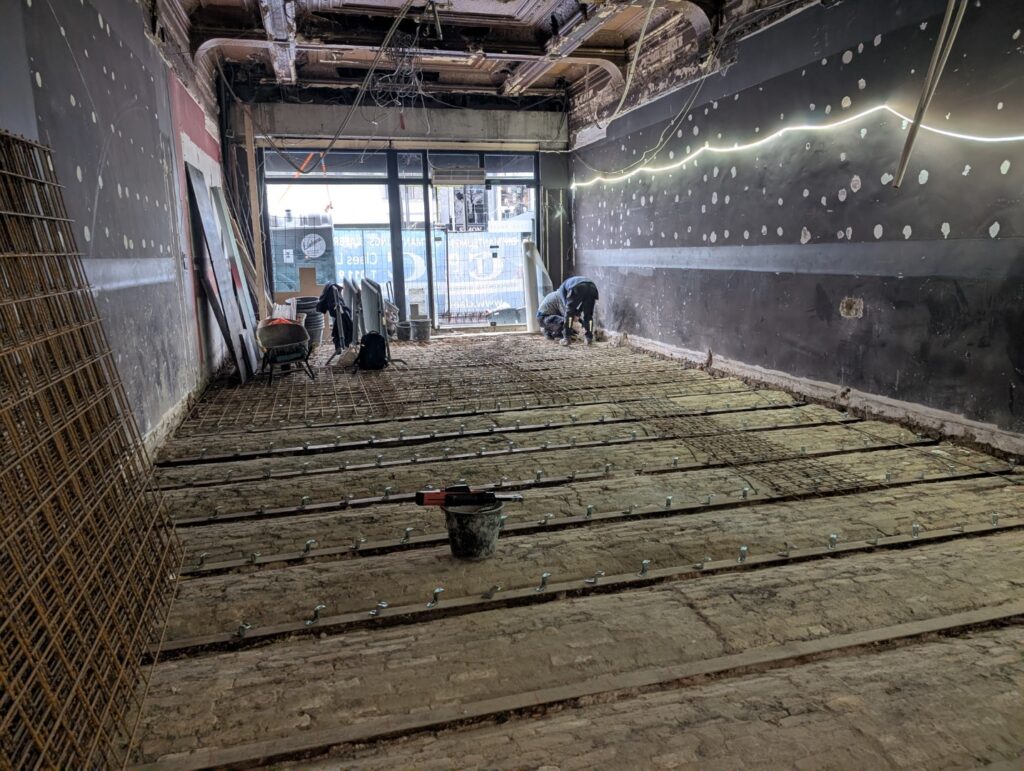
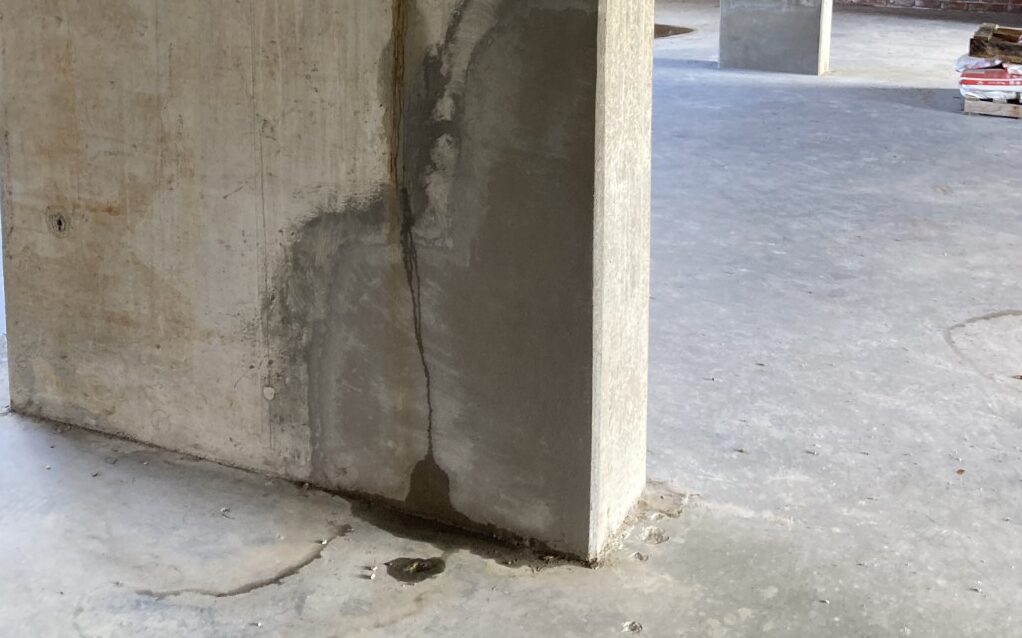
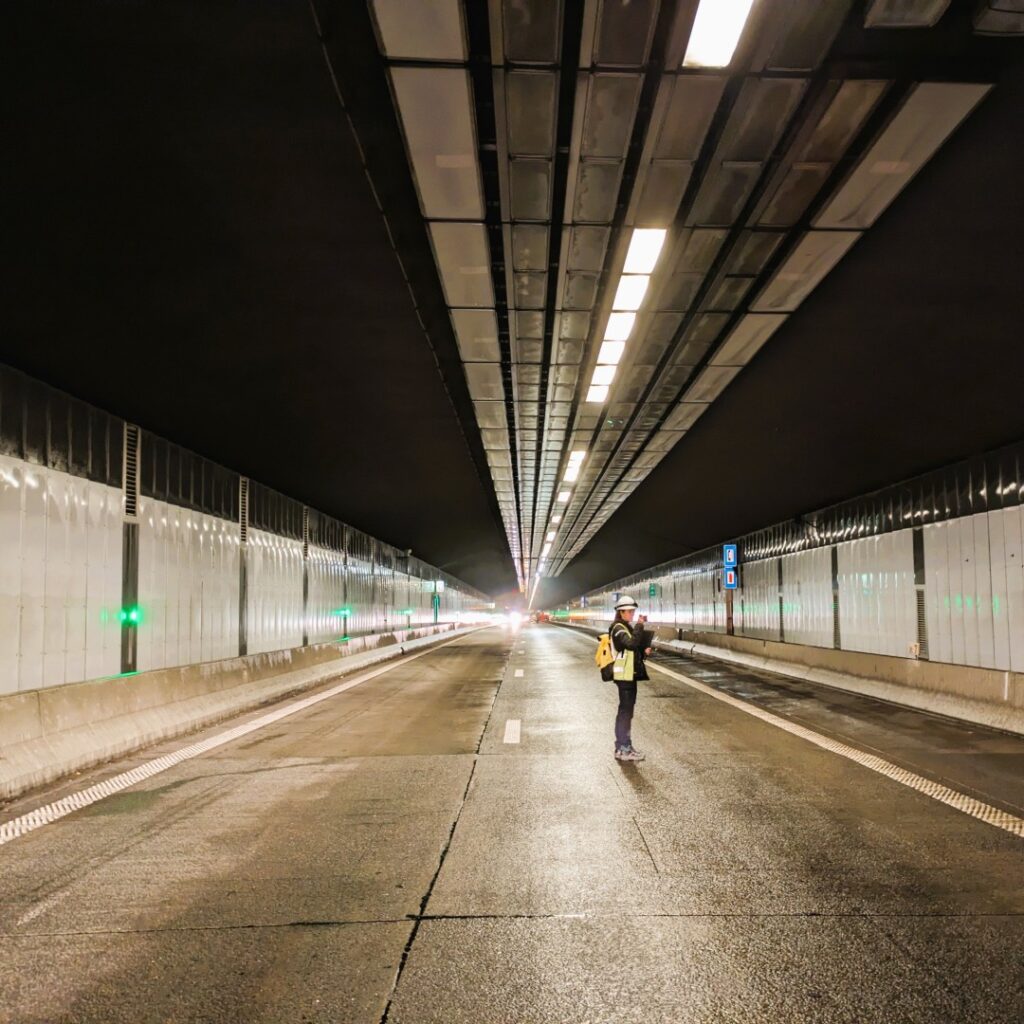
Concrete damage diagnosis is essential to correctly map the cause, severity, and further development of concrete damage. Cracks, spalling, discoloration, or exposed reinforcement may indicate underlying damage such as reinforcement corrosion, carbonation, chloride penetration, frost damage, or other degradation mechanisms.
SANACON investigates existing concrete structures using a combination of visual inspections, non-destructive measurements, and targeted material and laboratory research. In this way, we determine not only what is damaged, but, more importantly, why the damage occurred and which measures are technically and economically justifiable.
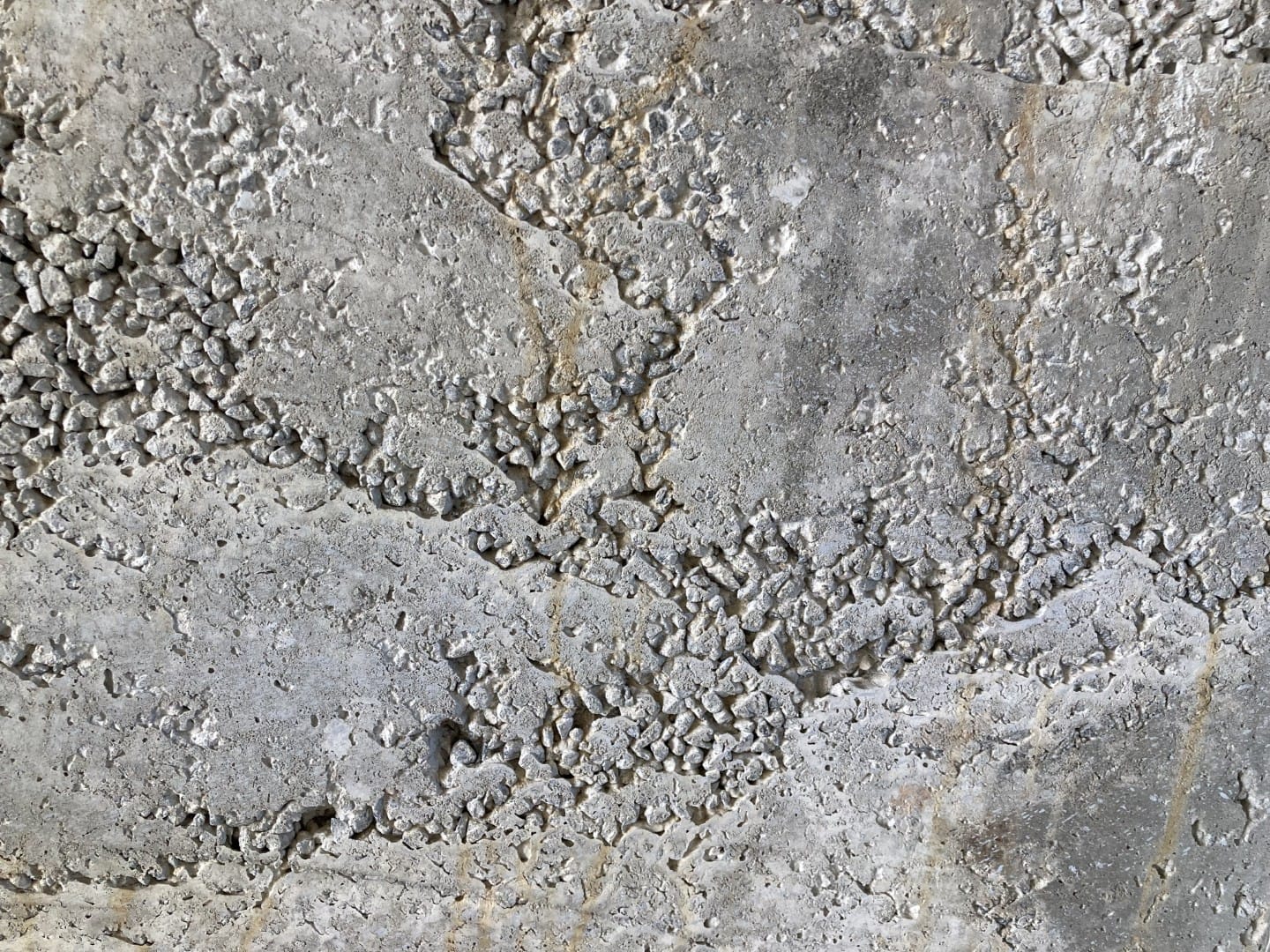
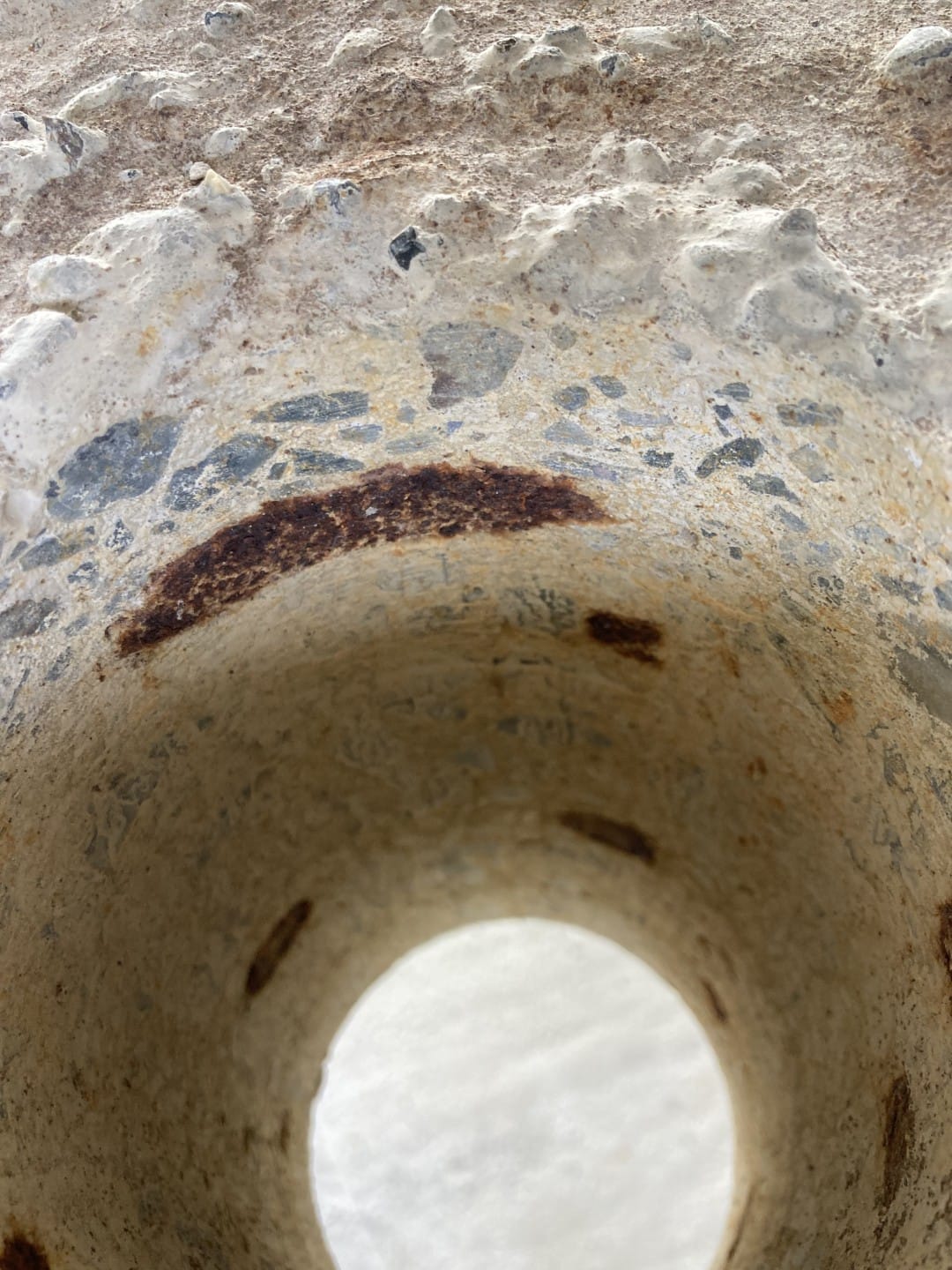
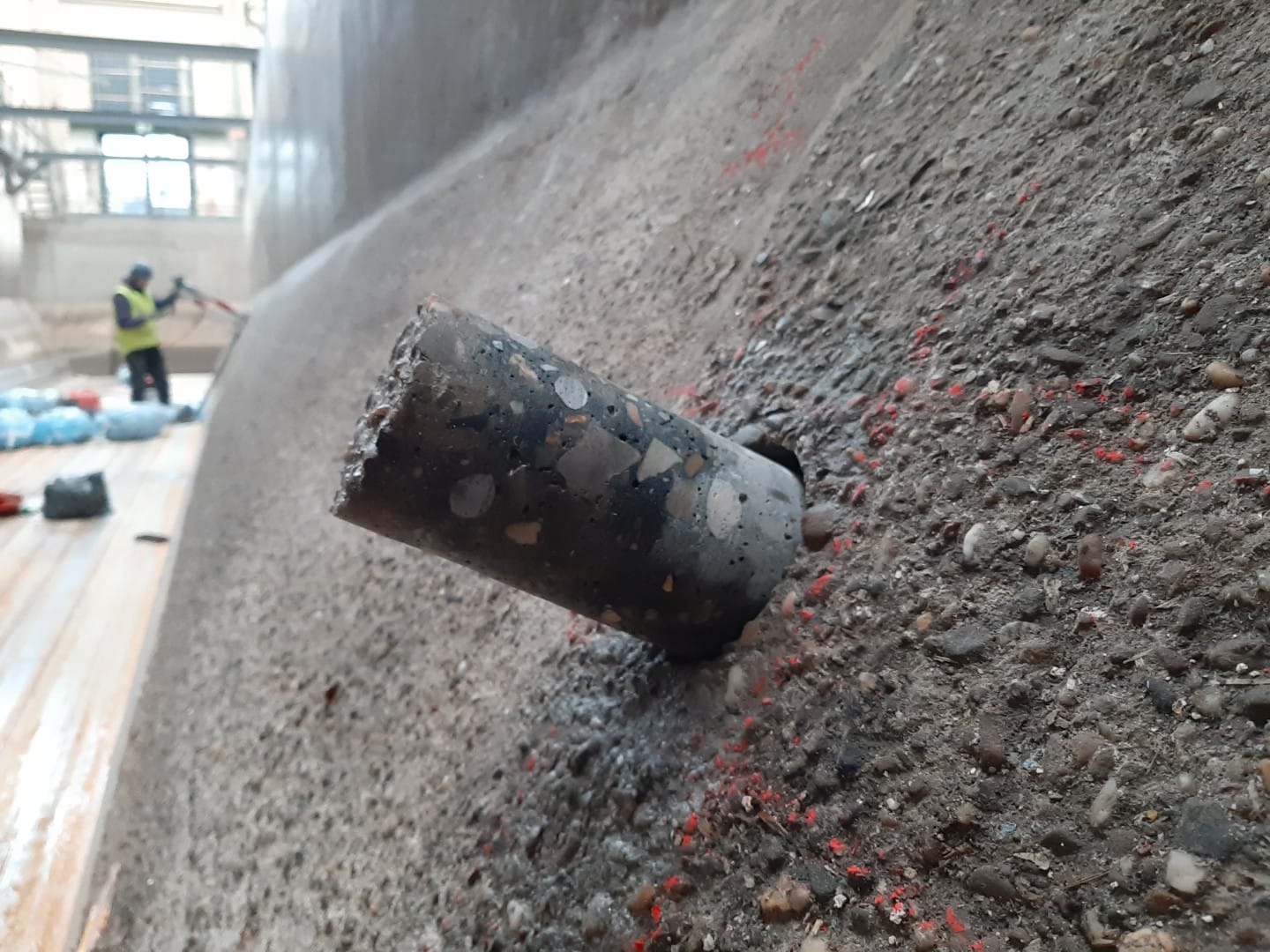
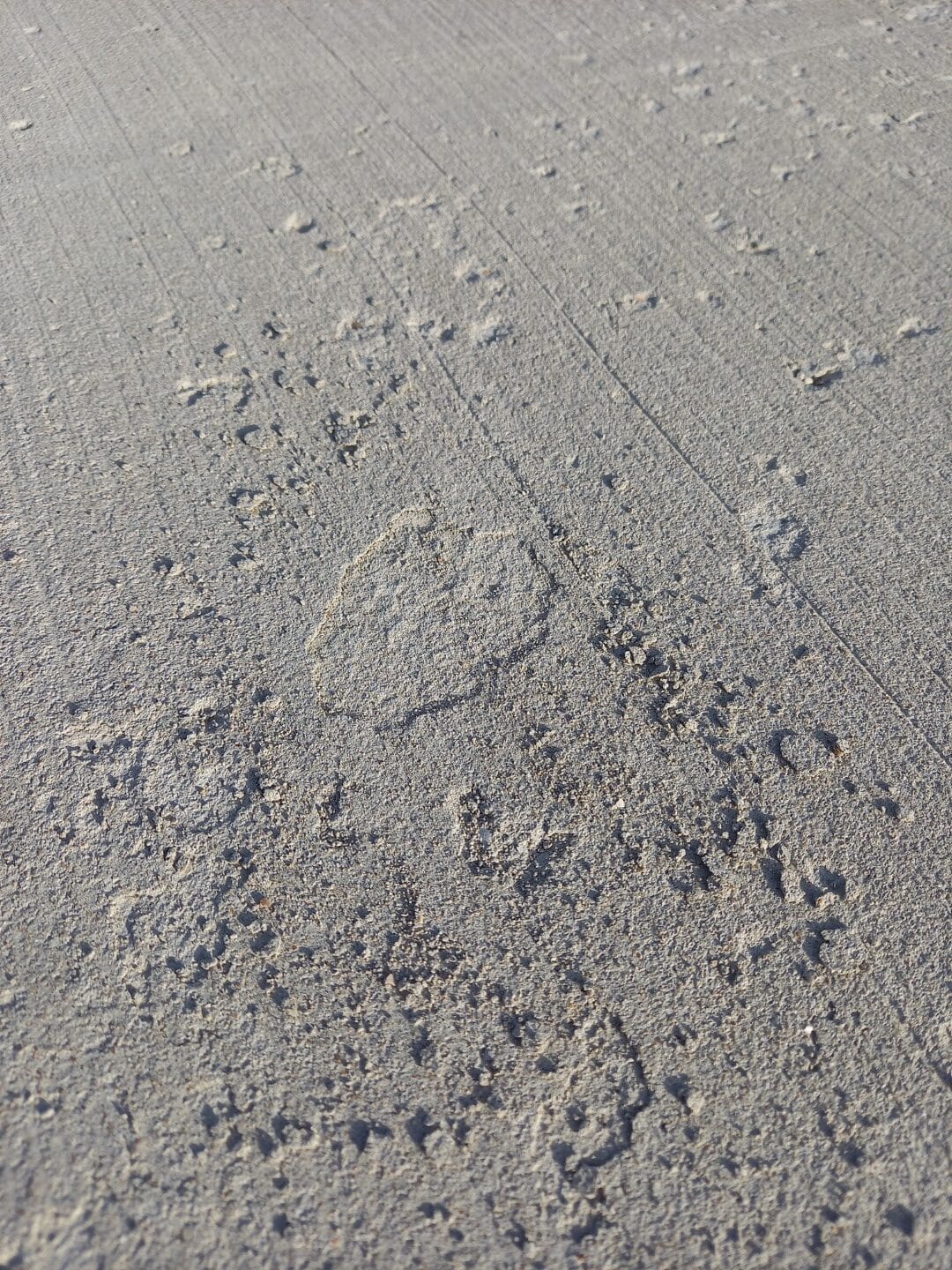
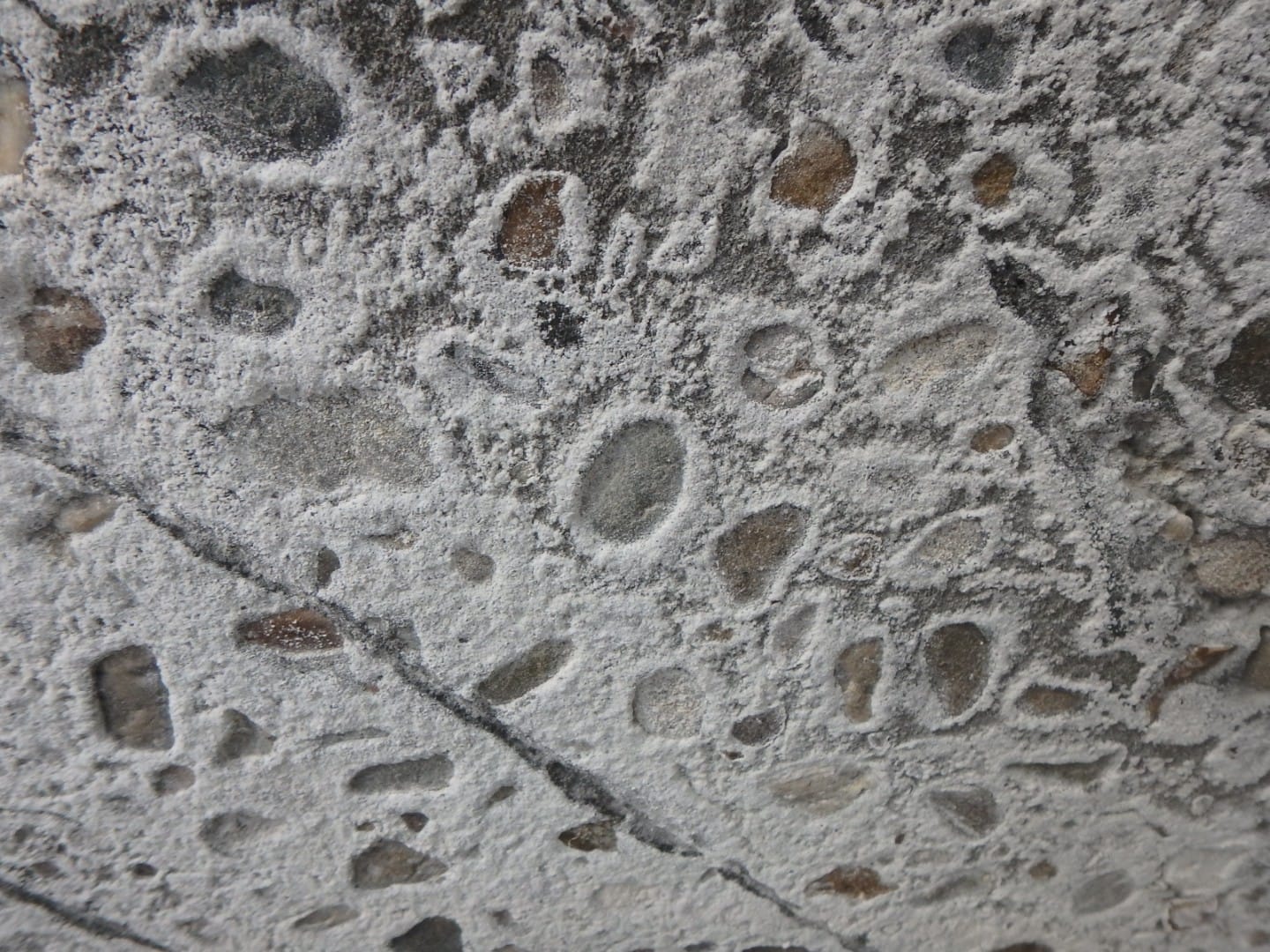
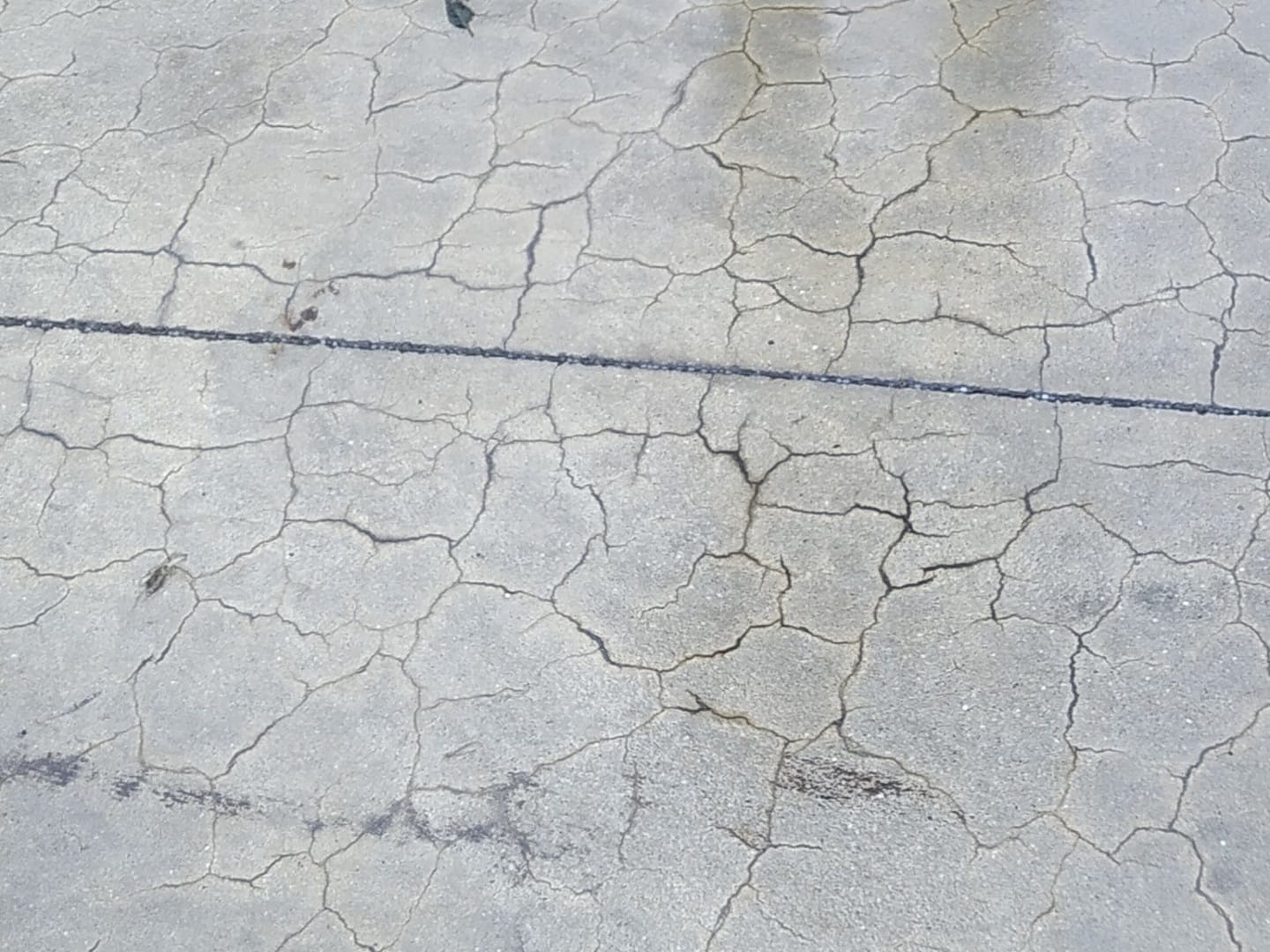
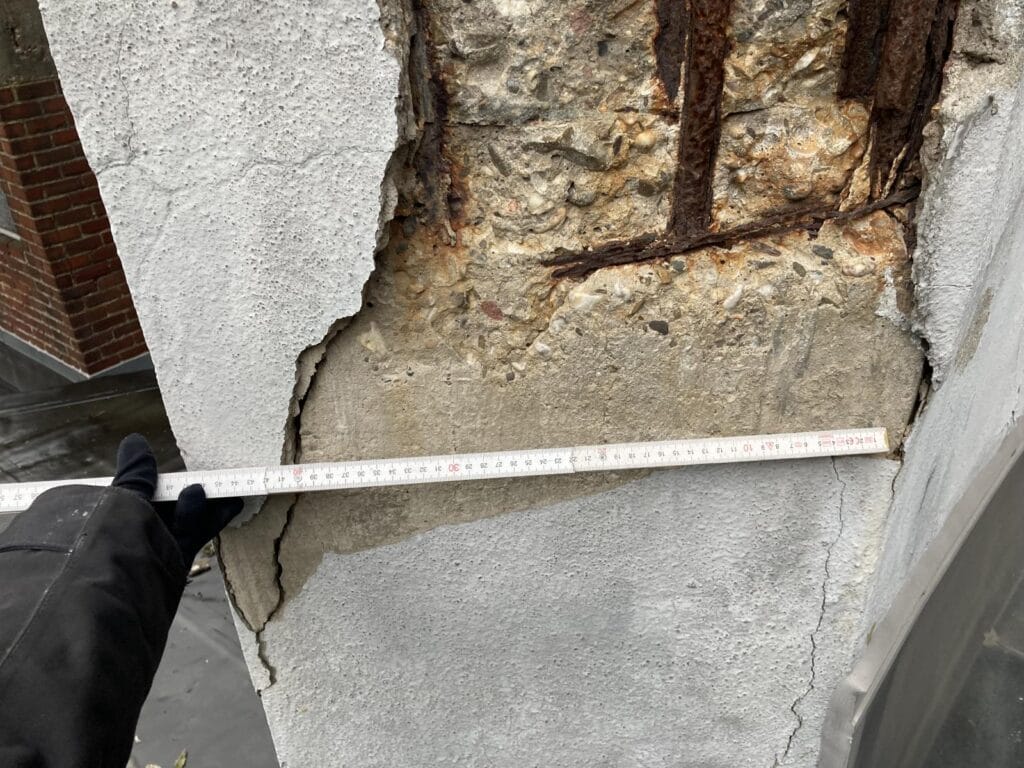
Concrete decay is one of the possible damage phenomena investigated during a concrete damage diagnosis. Depending on the observed damage, Sanacon can conduct investigations into, among other things, carbonation, chloride penetration, reinforcement corrosion, cracking, and other degradation mechanisms.
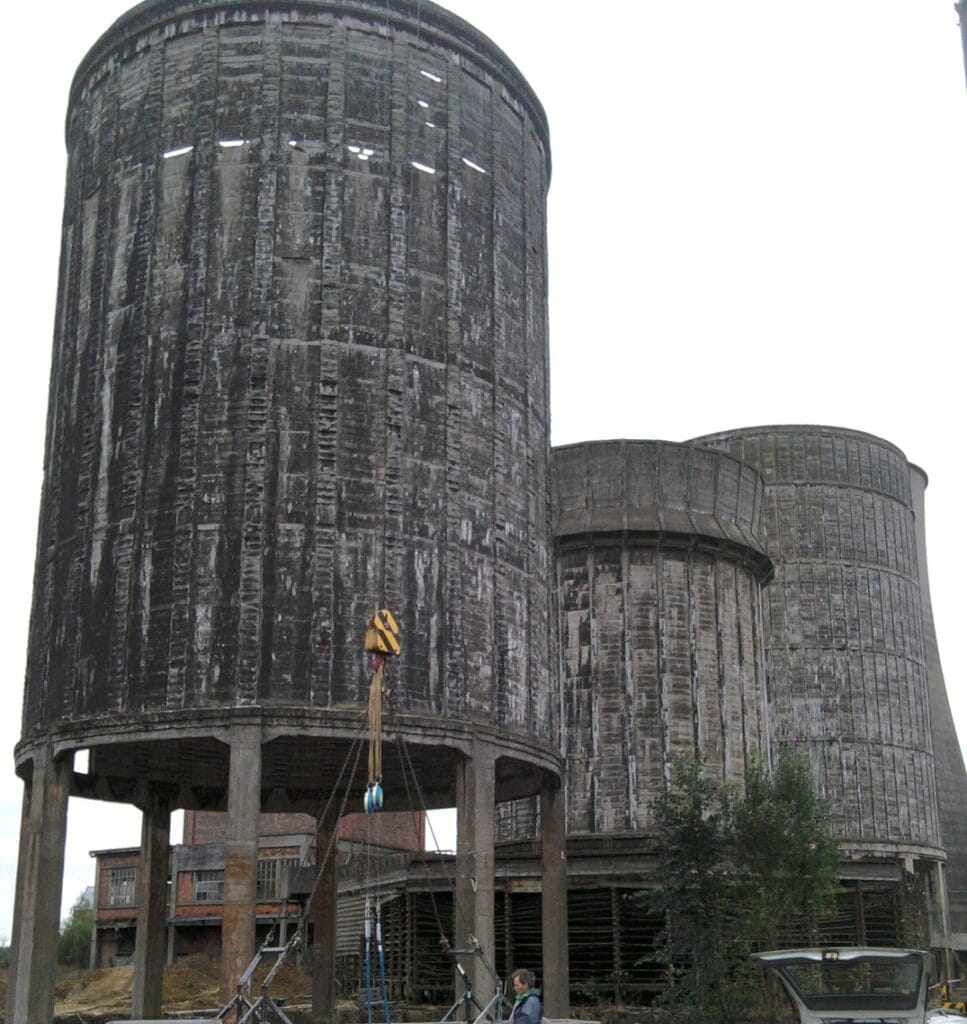
Invisible damage such as carbonation and chloride penetration compromises the safety of your concrete structure. With our probabilistic analyses based on Fib Bulletin 34 and CUR 121, we predict exactly when corrosion will occur. Calculate the remaining service life of your concrete and prevent costly repairs.
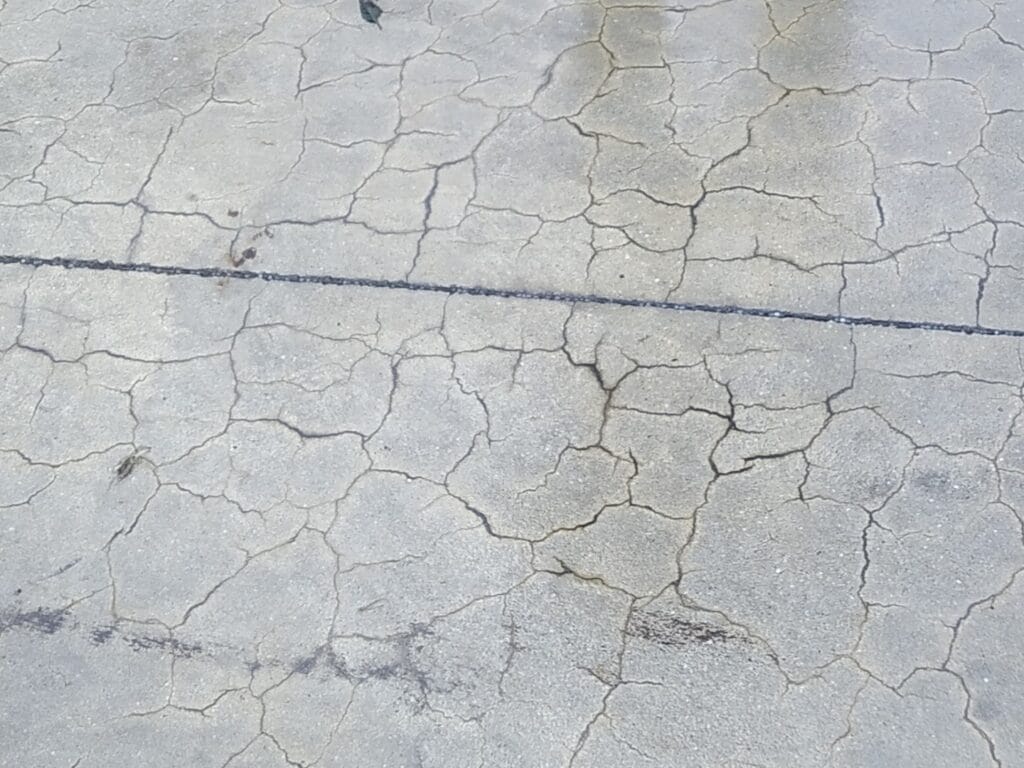
ASR stands for Alkali-Silica Reaction. It is a slow, destructive chemical reaction between certain types of sand or gravel and cement, under the influence of moisture. A gel is formed that absorbs water and expands dramatically. This leads to a characteristic, star-shaped network of cracks (crackle) across the surface. Petrographic examination can verify its presence, and special swelling tests can be performed to predict future development.
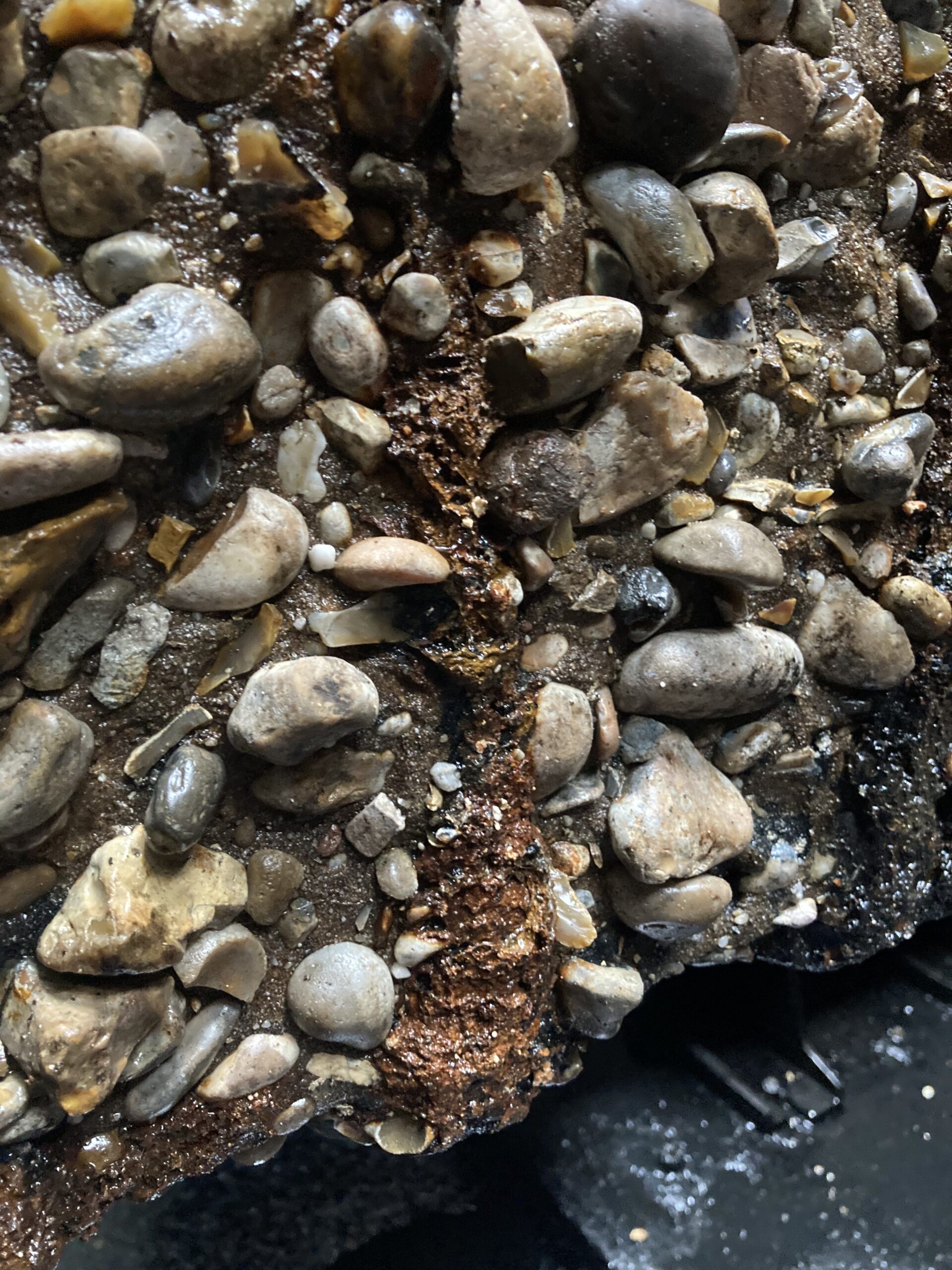
The binder in concrete (cement brick) is sensitive to acids. Acid rain, industrial gases, or aggressive agricultural juices can slowly dissolve the concrete surface. This causes the cement layer to disappear, exposing the sand and gravel. Sulfates from the soil or groundwater can also react with the concrete and weaken it.
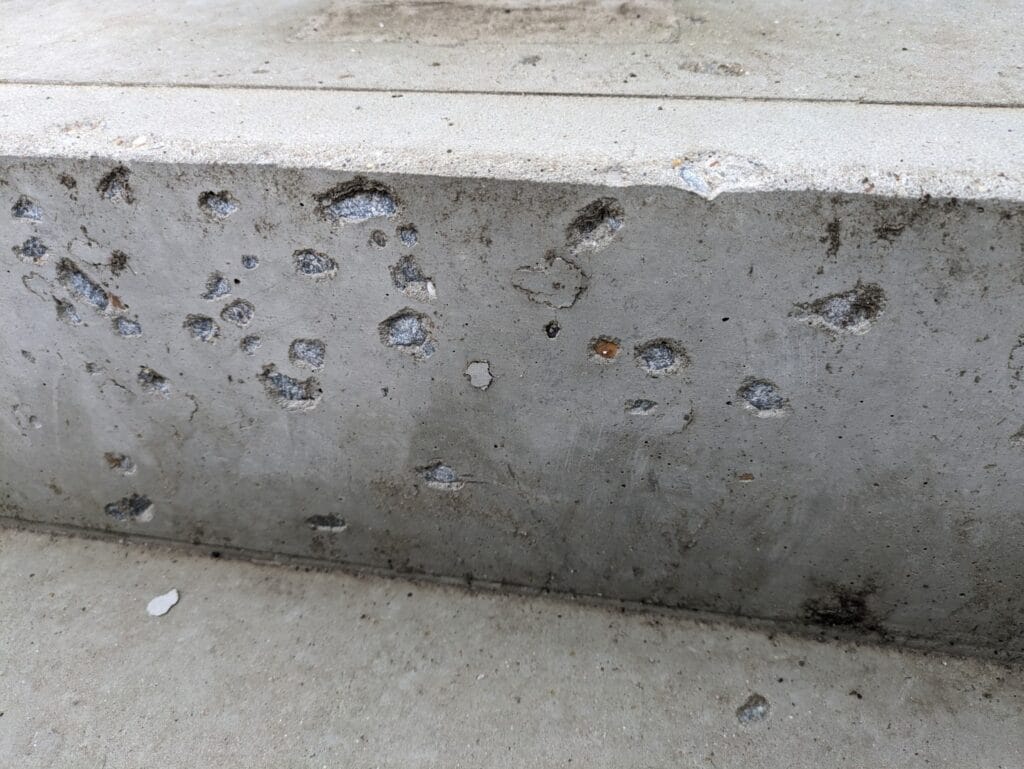
Freeze and thaw damage: Concrete is naturally slightly porous. When water seeps into those tiny pores and freezes, the water expands by about 9%. This internal pressure is enormous and can damage the top layer of the concrete and cause it to flake off. This is often seen in older driveways or unprotected outdoor concrete after a harsh winter.
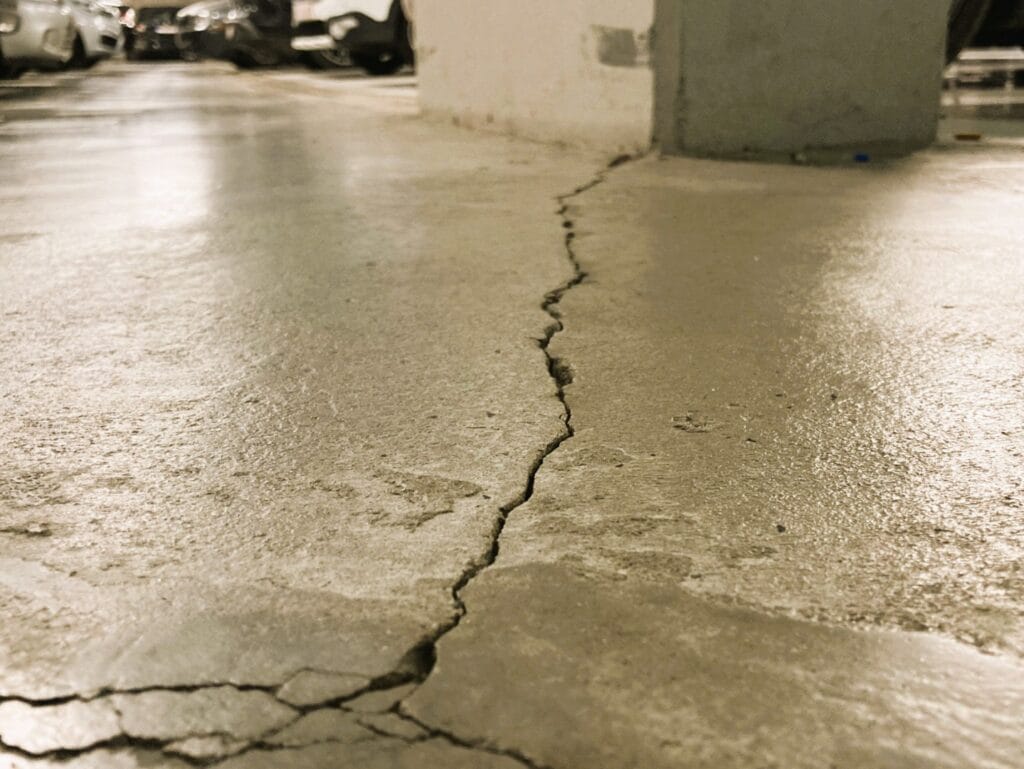
It’s perfectly normal to be concerned if you see a crack in new concrete. However, cracking is, to some extent, an unavoidable and natural part of the curing process.
This all has to do with volume reduction, or shrinkage . When concrete tries to shrink but is restrained by, for example, the substrate or walls, tensile forces are created. Because concrete is weak in absorbing tensile forces, it will crack.
We divide this shrinkage into three main categories:
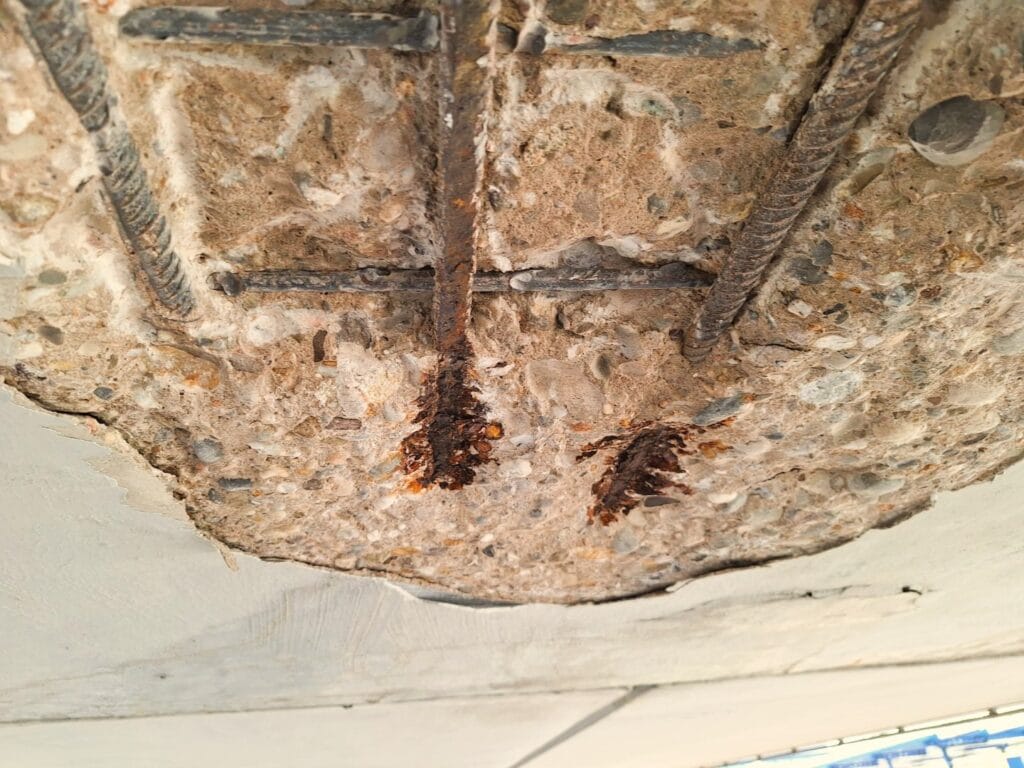
Simply starting to cut and apply filler is rarely a good idea. That’s why there’s the European standard EN 1504-9 . This is the guideline for professional concrete repair, with its most important, ironclad rule: first correctly diagnose the cause of the damage before choosing a treatment.
The standard offers a structured approach, divided into two main objectives:
By working according to this standard, you address the actual cause instead of just treating the symptoms. This prevents the vicious cycle of having to repair the problem again after a few years.