Wood damage diagnosis: wood rot inspection and condition assessment

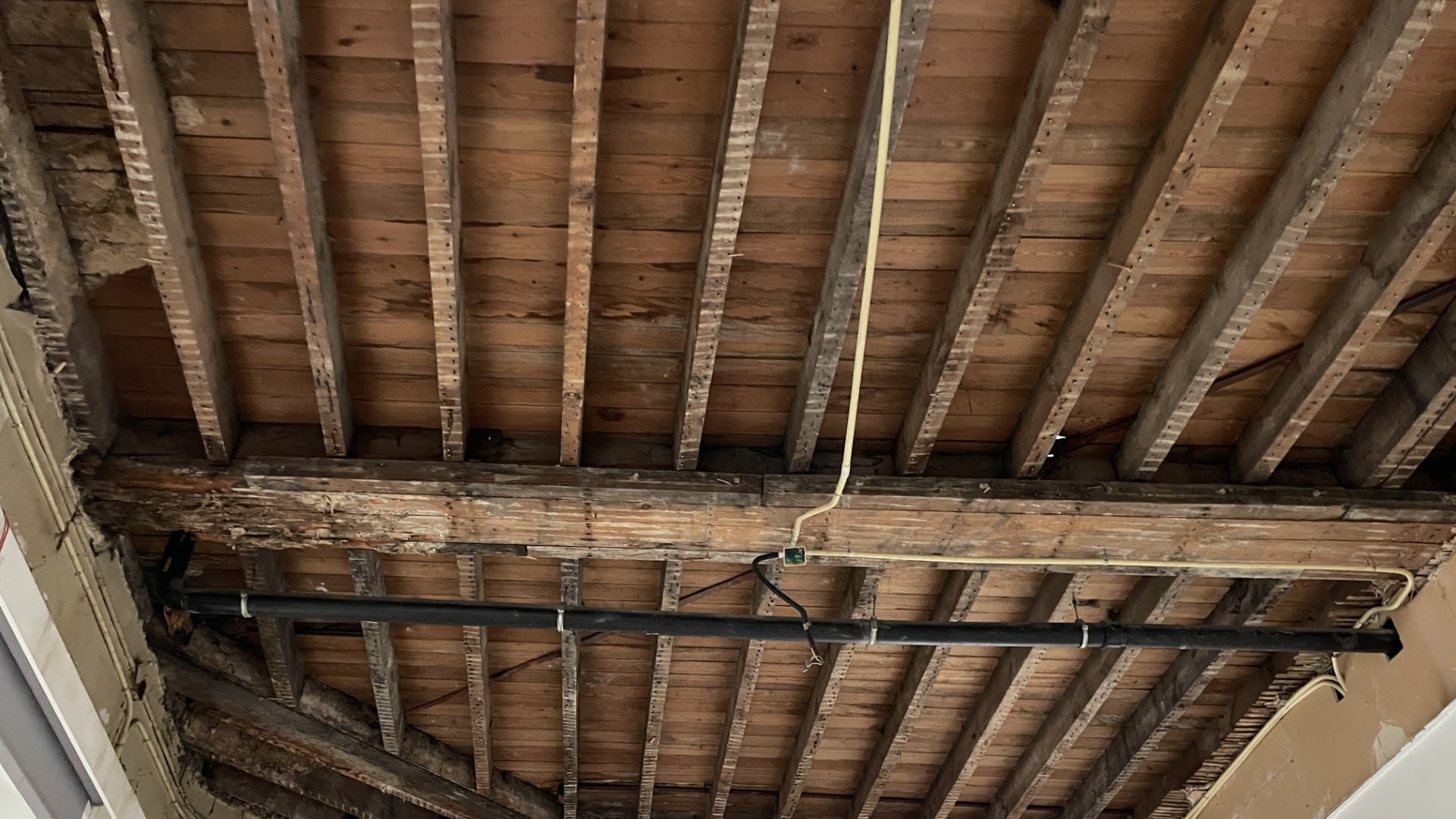
Damage diagnosis of wood begins with a thorough wood rot investigation. Wood is a fantastic, renewable building material, whether it concerns a modern CLT building, wooden trusses in a sports hall, or the roof structure of a church tower. To maximize the lifespan and stability of any timber structure, everything revolves around the correct diagnosis, analysis, and design of suitable protection or reinforcement . Sanacon maps the extent of the damage through visual inspection and resistographic testing, recalculates the remaining load-bearing capacity, and based on this, proposes targeted reinforcement or advises which parts need to be replaced.
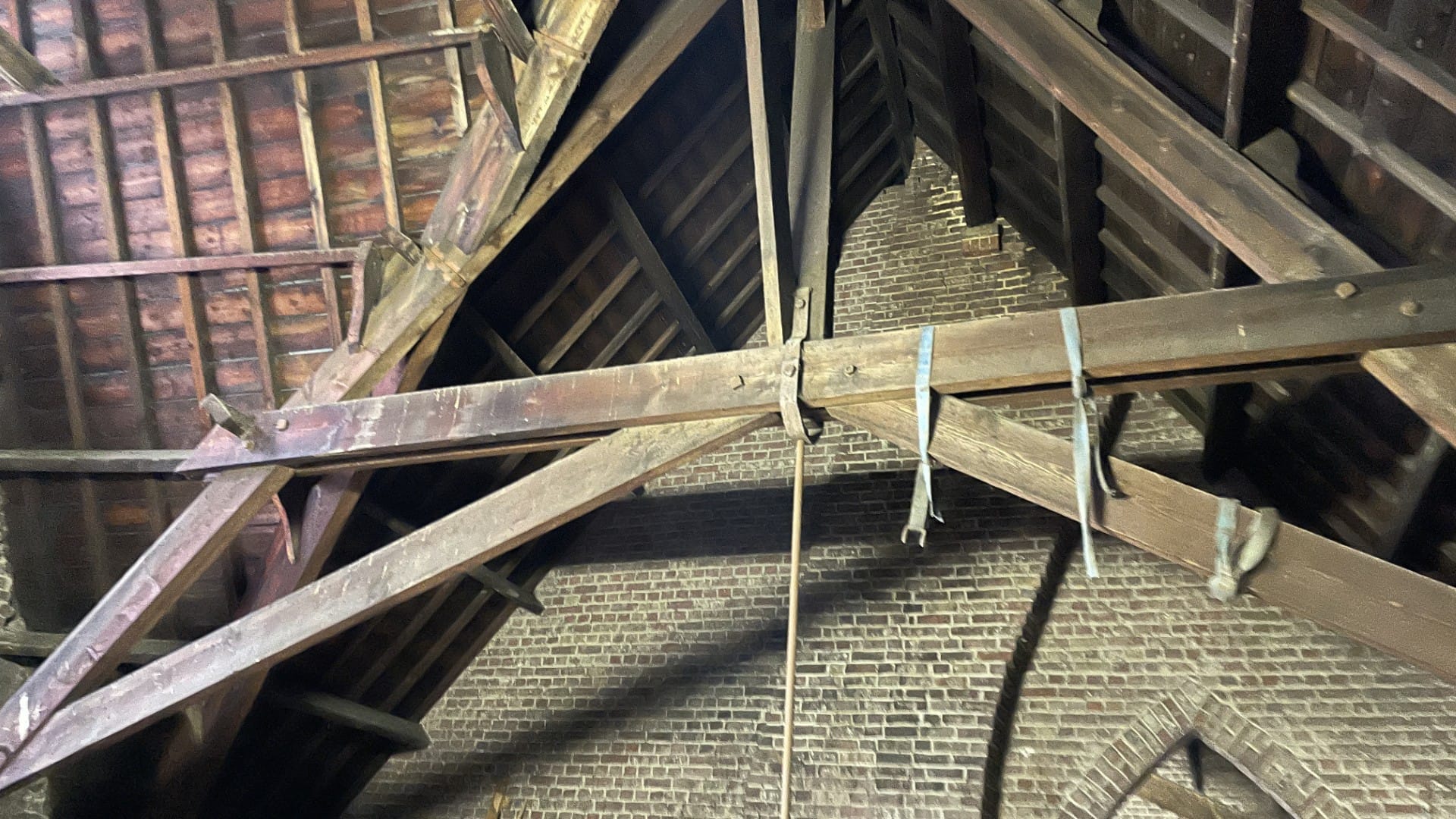
  • Structural analysis of a wooden truss
  • Delaminatie bij houten liggers - sanacon
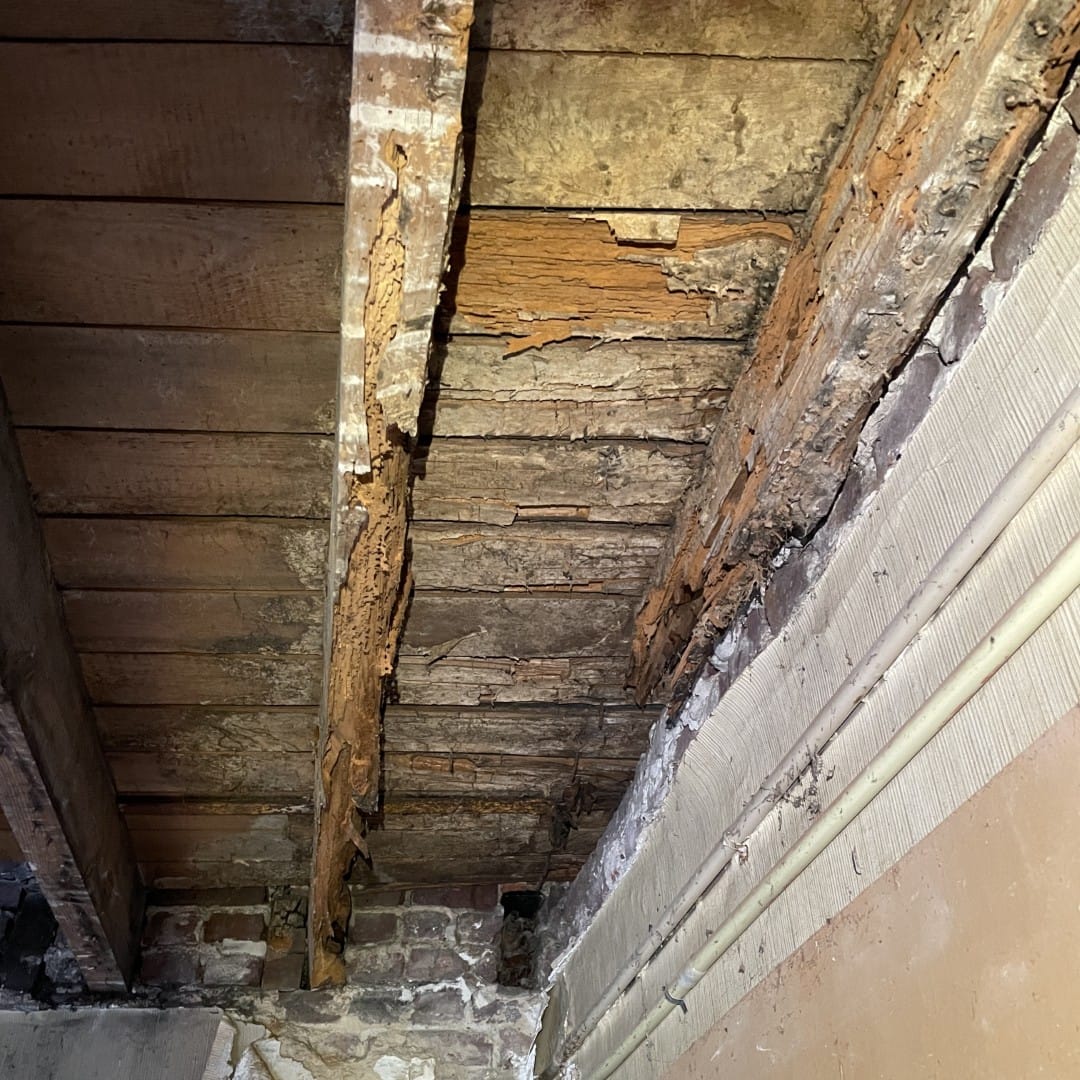
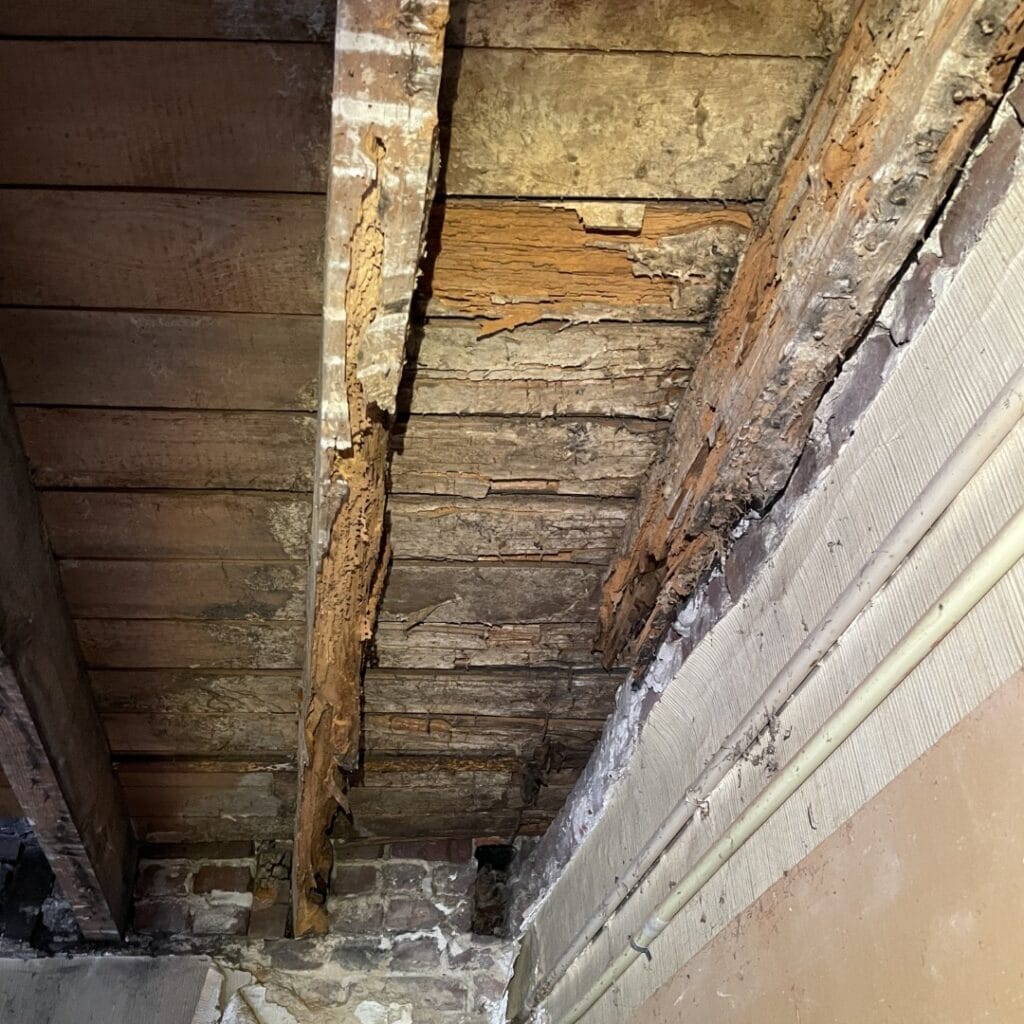
  • Aangetast hout door schimmelvorming - Sanacon
  • Onderzoek van een houten balk op draagkracht - Sanacon
Aangetast hout door schimmelvorming - Sanacon

Wood rot inspection: recognizing molds and fungi

Wood rot testing is essential when the moisture content in the wood has been too high for an extended period (above 20%), as this provides a breeding ground for molds and fungi.
  • Wood rot (brown rot and white rot): In brown rot, fungi break down the cellulose, causing the wood to shrink, turn brown, and disintegrate into cubes (cube rot). White rot also breaks down the lignin, giving the wood a fibrous, light structure. Rot typically occurs at joints, butt joints, and supports in damp masonry.
  • Dry rot (Serpula lacrymans): The most feared fungus in buildings. This fungus can transport moisture to drier wood via its mycelium and even spread through masonry. It rapidly destroys the load-bearing capacity of the wood.
  • Does Sanacon also offer advice for steel and timber constructions?

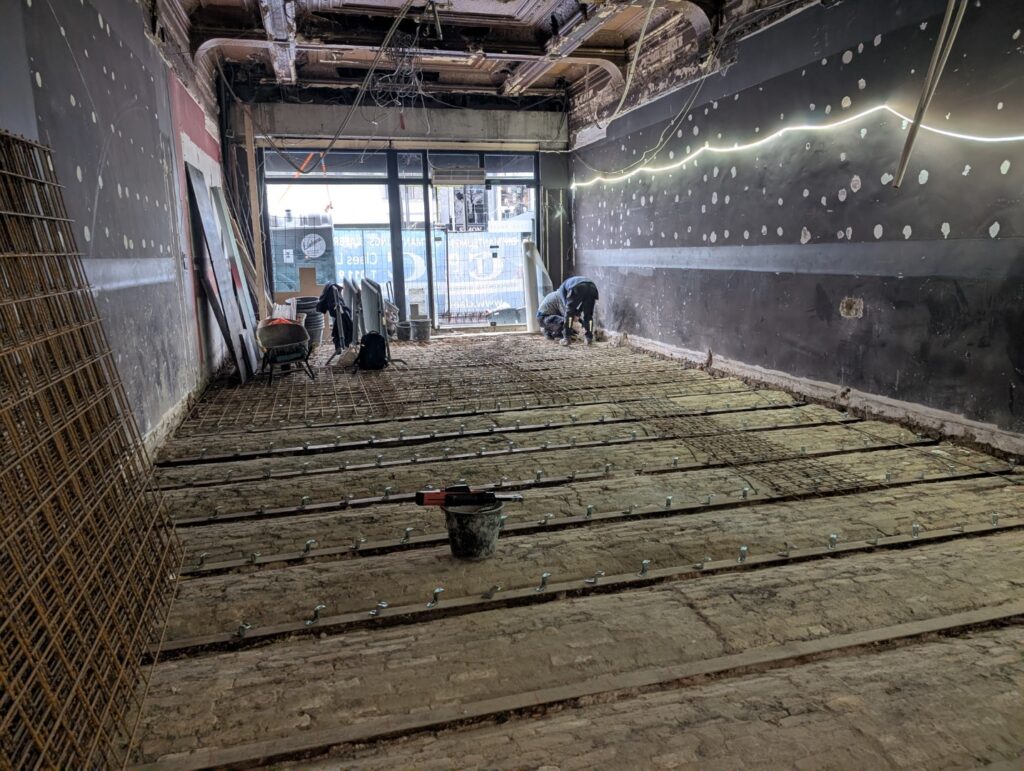
    Yes, in addition to concrete, we also work with steel, wood and masonry.
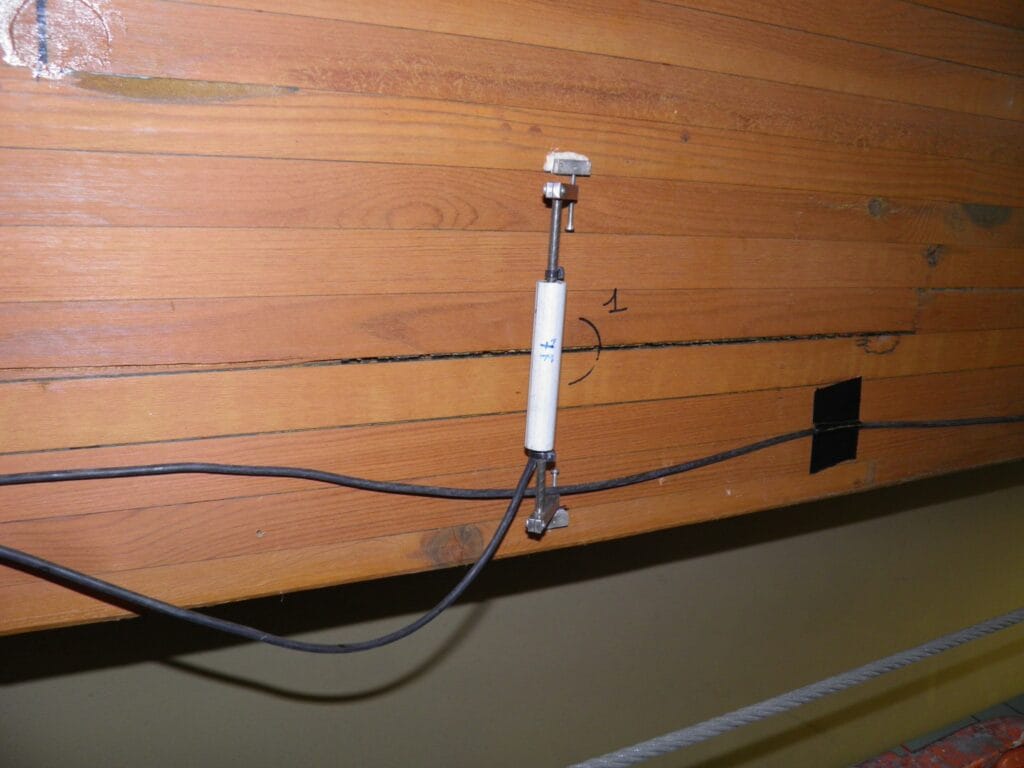
Delaminatie in gelamineerde houten ligger met meetopstelling voor vervormings- en scheurmonitoring

Other forms of damage to wood

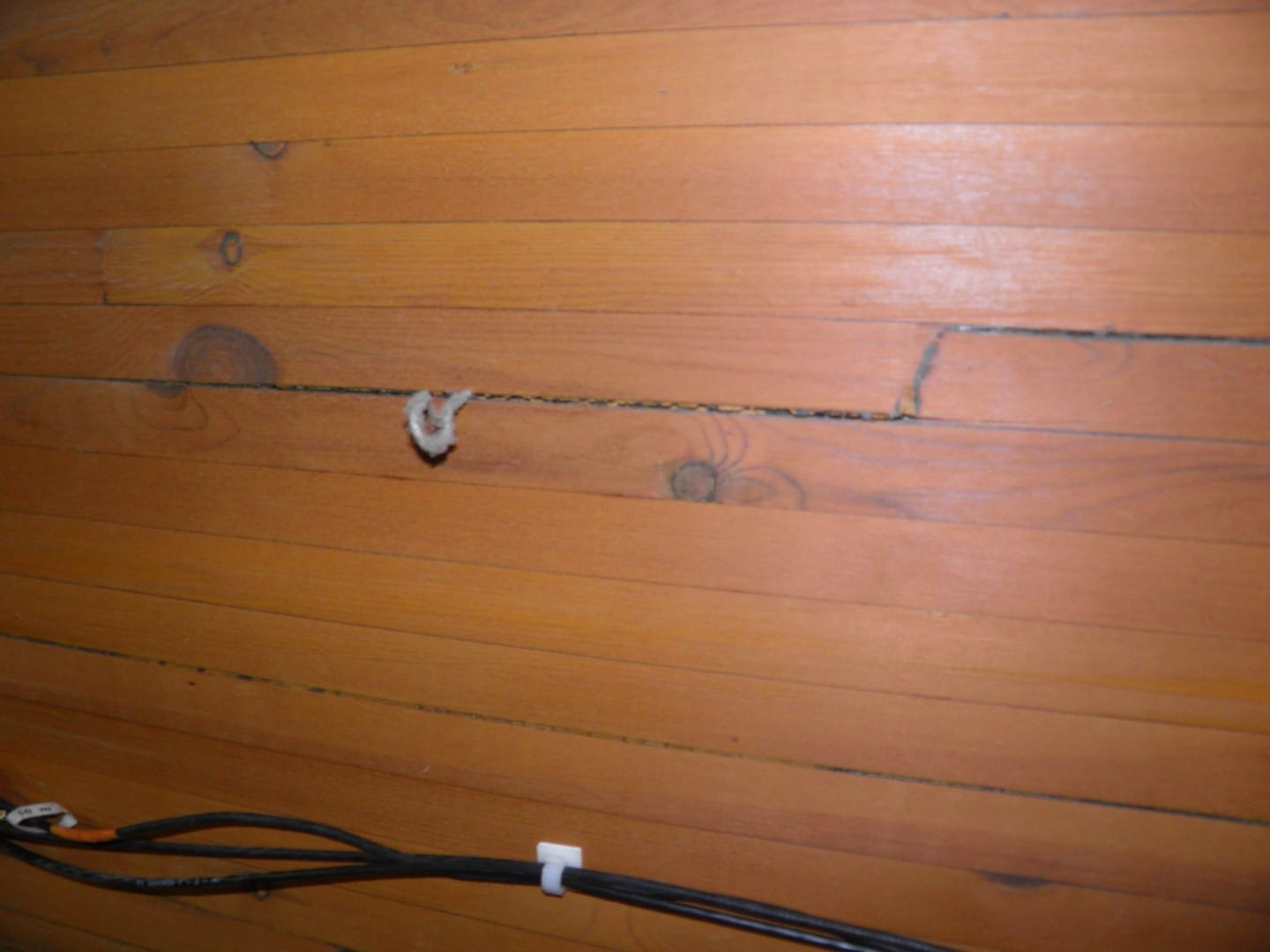
Another major culprit is wood-boring insects (such as the house longhorn beetle, woodworm, and death watch beetle). Their larvae spend years eating through the wood fibers. This can completely reduce the internal structure to powder and lose its load-bearing capacity, while the beam still appears intact on the outside.

In addition, physical and mechanical damage occurs because wood “works” under the influence of moisture. Uneven drying leads to longitudinal shrinkage cracks and deformations (such as warping). Although shrinkage cracks often look alarming, they rarely have a significant impact on stability. Extreme deformations can, however, weaken connections.

Finally, untreated exterior wood suffers from weathering and aesthetic damage. UV light and rain cause the familiar silver-gray discoloration. This is merely a natural, superficial process that does not affect the wood’s structural strength.

PROJECTS

Recent projects

Discover how Sanacon extends the lifespan of existing structures with innovative techniques and sustainable solutions. Our projects demonstrate proven results in a wide range of sectors.
PROJECTS
Mathias Maes (links) en Tim Soetens (rechts), oprichters van Sanacon

We are happy to help you

Your structure deserves a future. Protection against deterioration, strengthening its load-bearing capacity, and extending its lifespan are crucial to prevent damage and high costs. Sanacon offers independent advice and innovative solutions to keep your structure sustainable and safe – today and for decades to come.