Structures are built for a long service life but are constantly subject to loads, aging, and environmental influences. The question is therefore not only whether a structure is safe today, but above all how long it can continue to reliably perform its function. A remaining service life analysis answers that question.
At Sanacon, we combine inspections, material research, monitoring, and advanced lifecycle models to objectively determine the remaining lifespan of existing structures. In doing so, we support owners and managers with maintenance decisions, renovations, and investment planning.
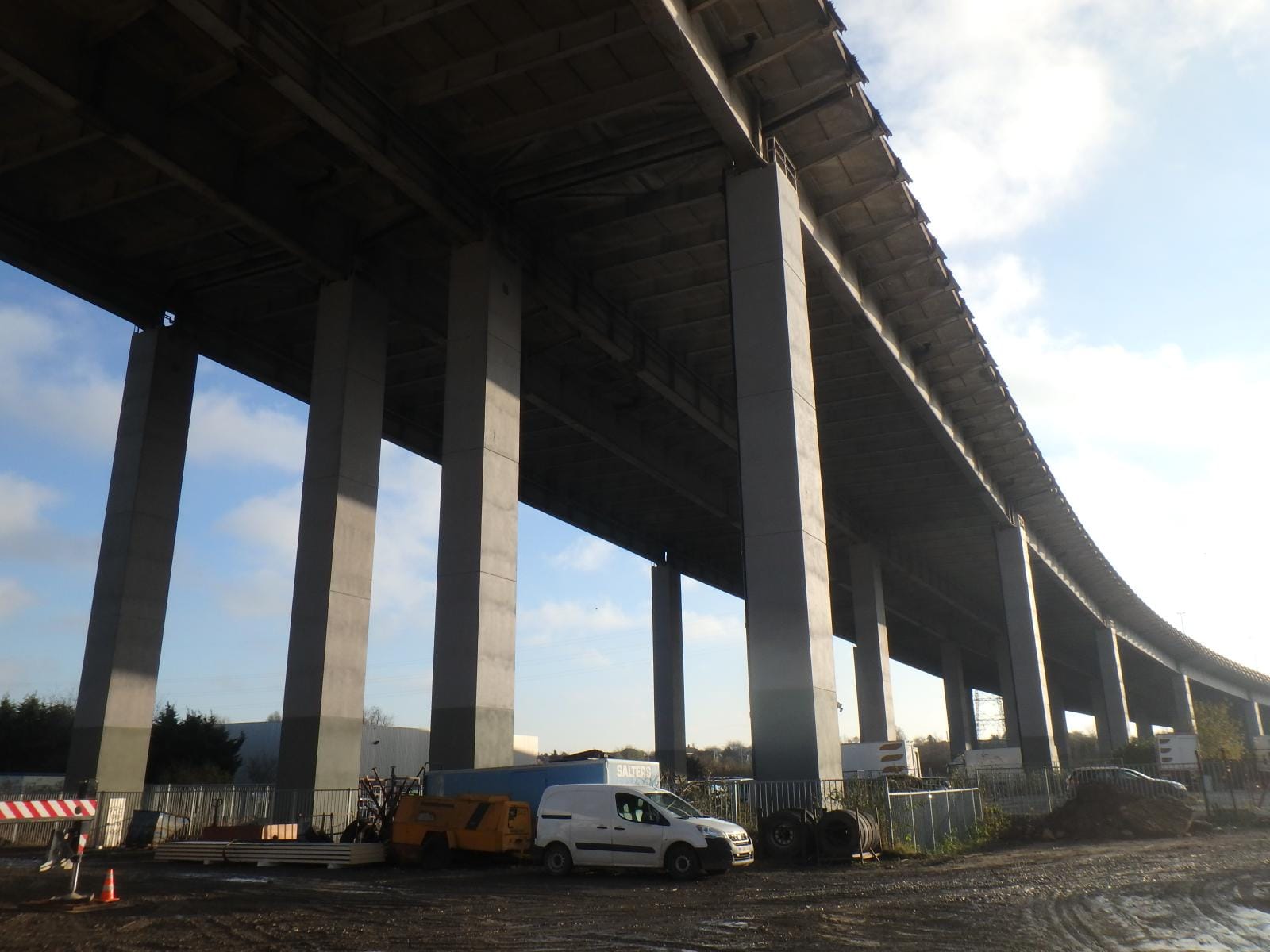
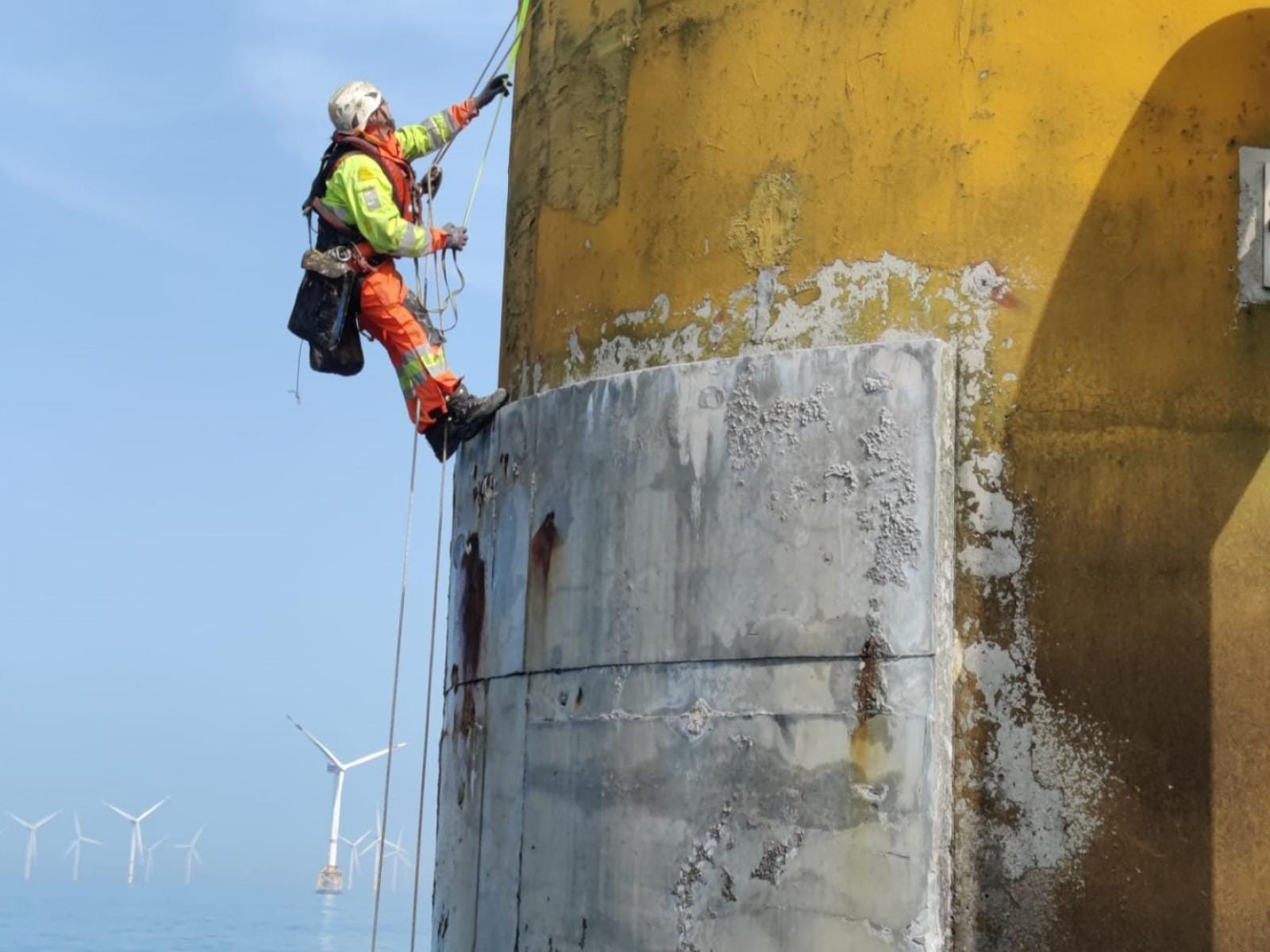
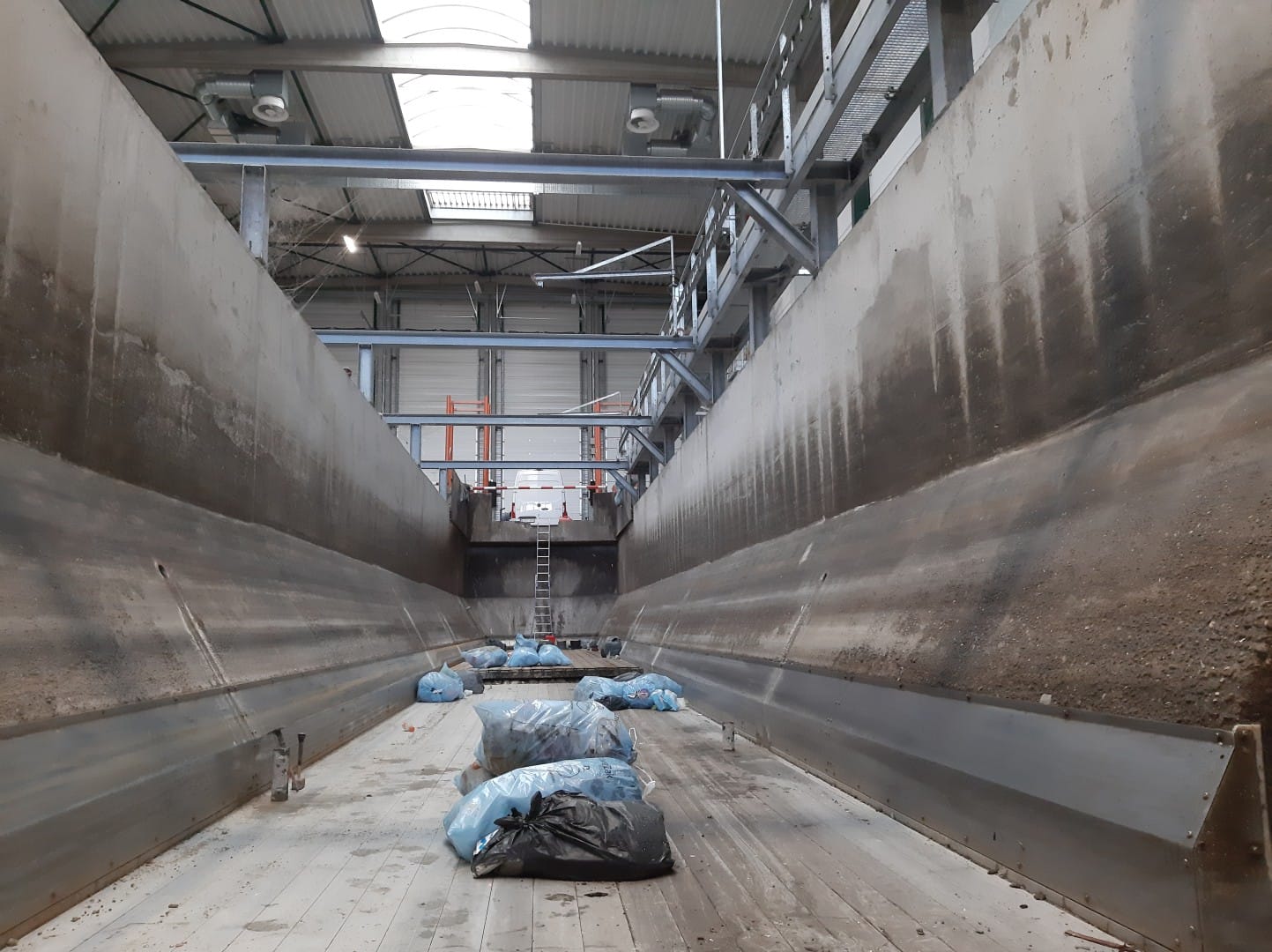
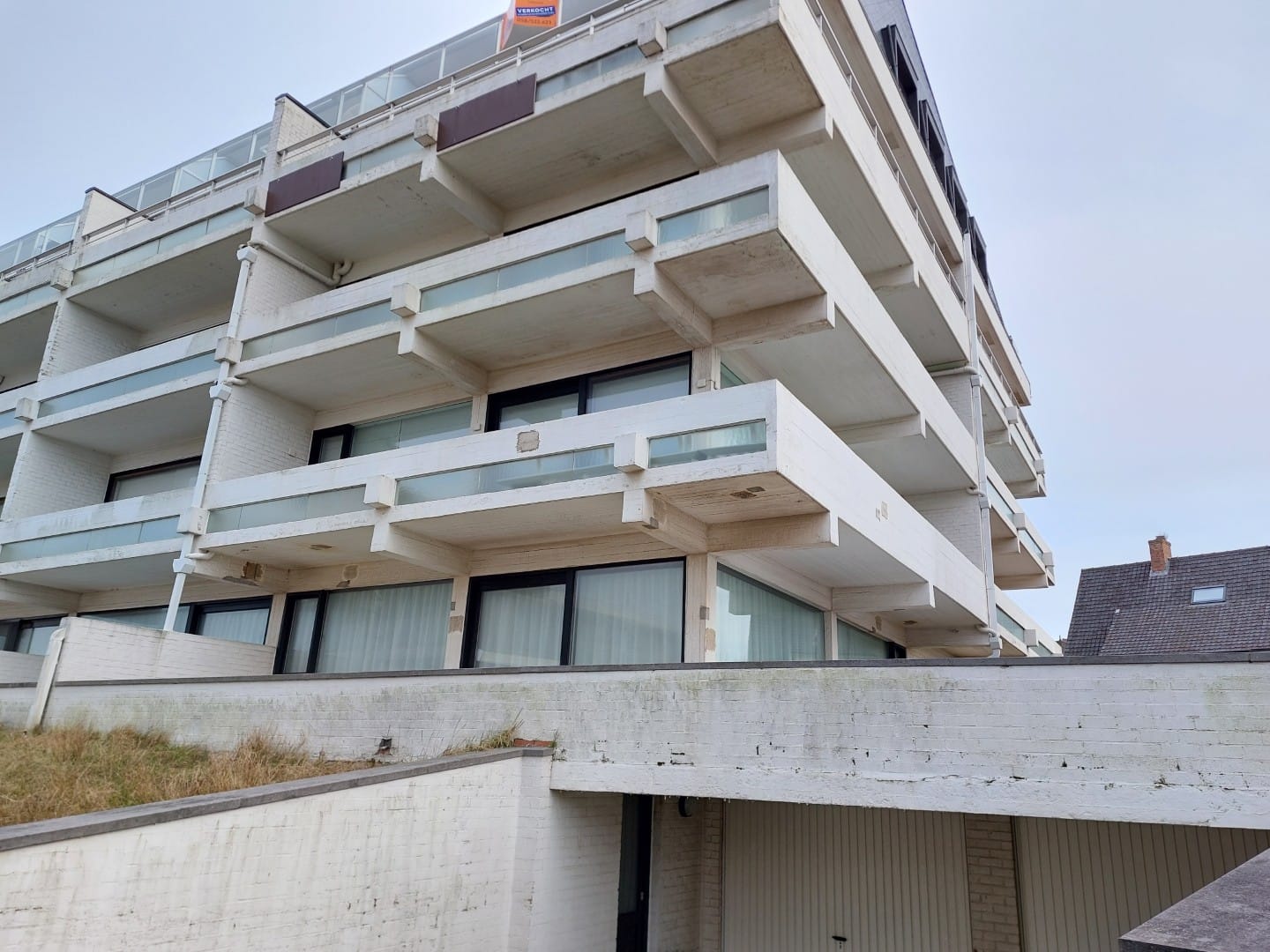
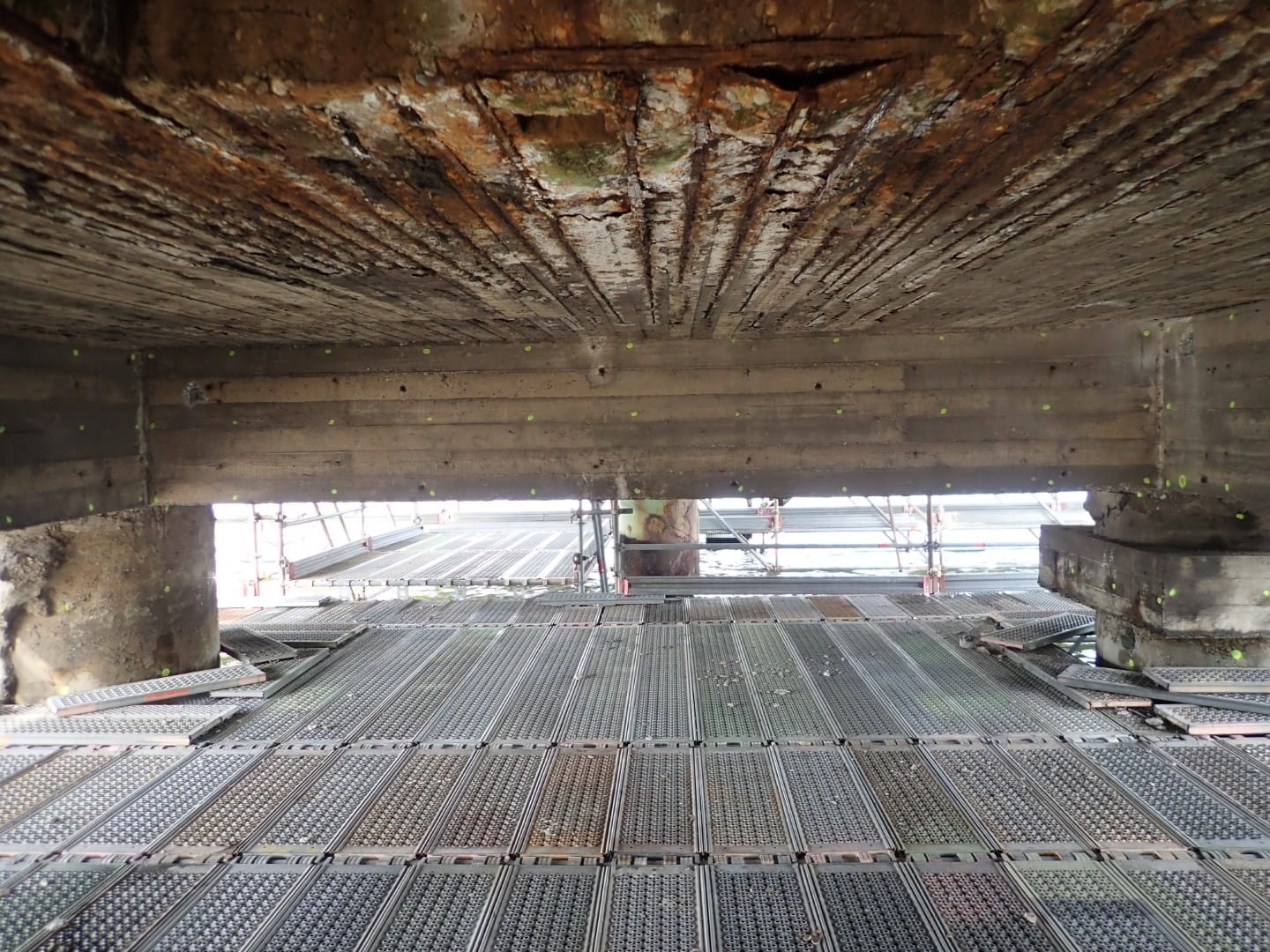
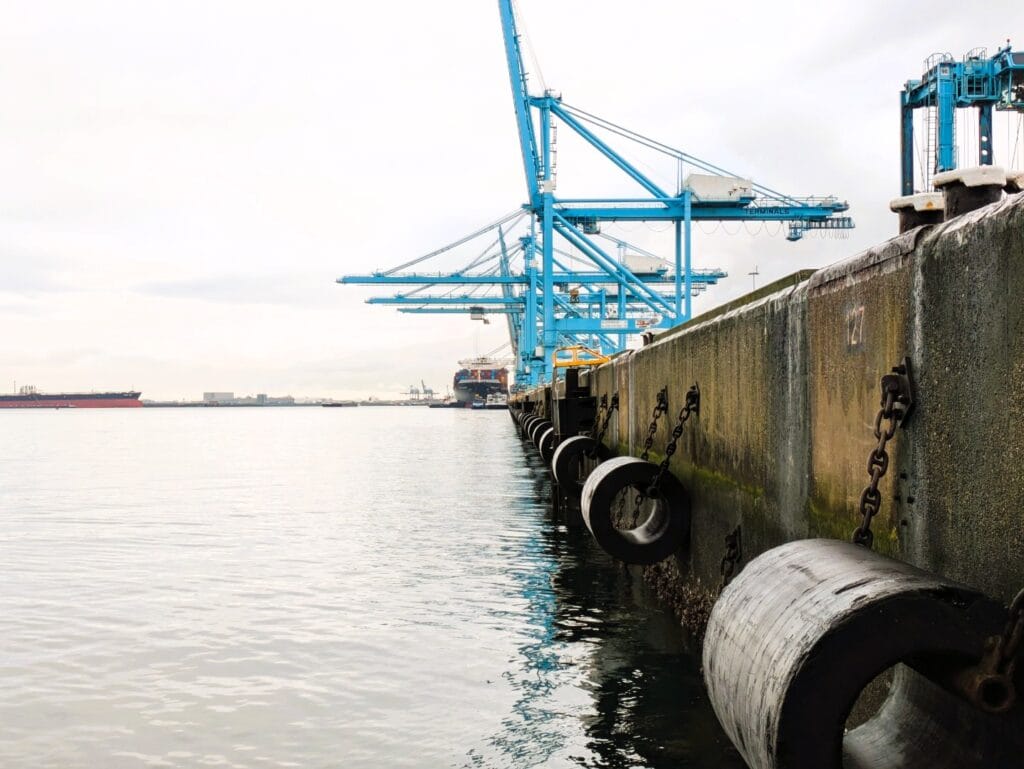
As buildings, bridges, parking garages, or industrial structures age, the question often arises as to how long they can continue to function safely and reliably. A visible inspection alone is usually insufficient in this regard. After all, the actual condition of a structure is determined by factors such as material degradation, environmental influences, load, and maintenance history.
With remaining lifespan calculations, Sanacon maps out the future performance of structures. By combining inspections, material research, monitoring, and advanced calculation models, we determine how damage processes will evolve and when maintenance or renovation measures become necessary. This provides owners and managers with objective insights to better manage investments, maintenance budgets, and risks.
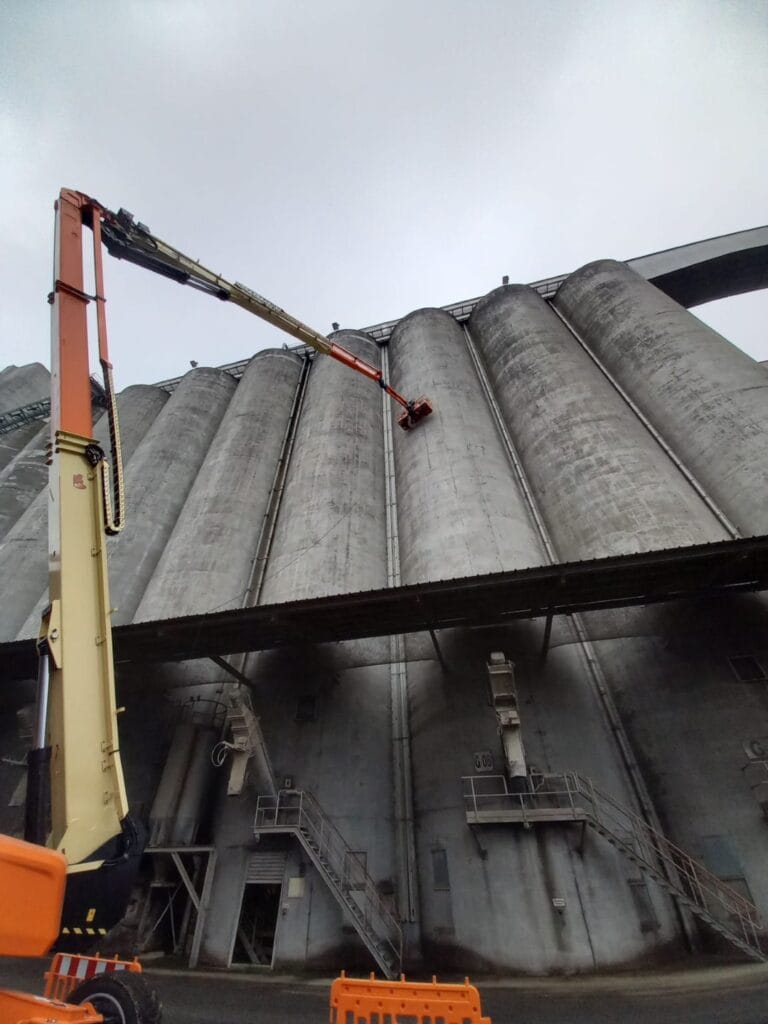
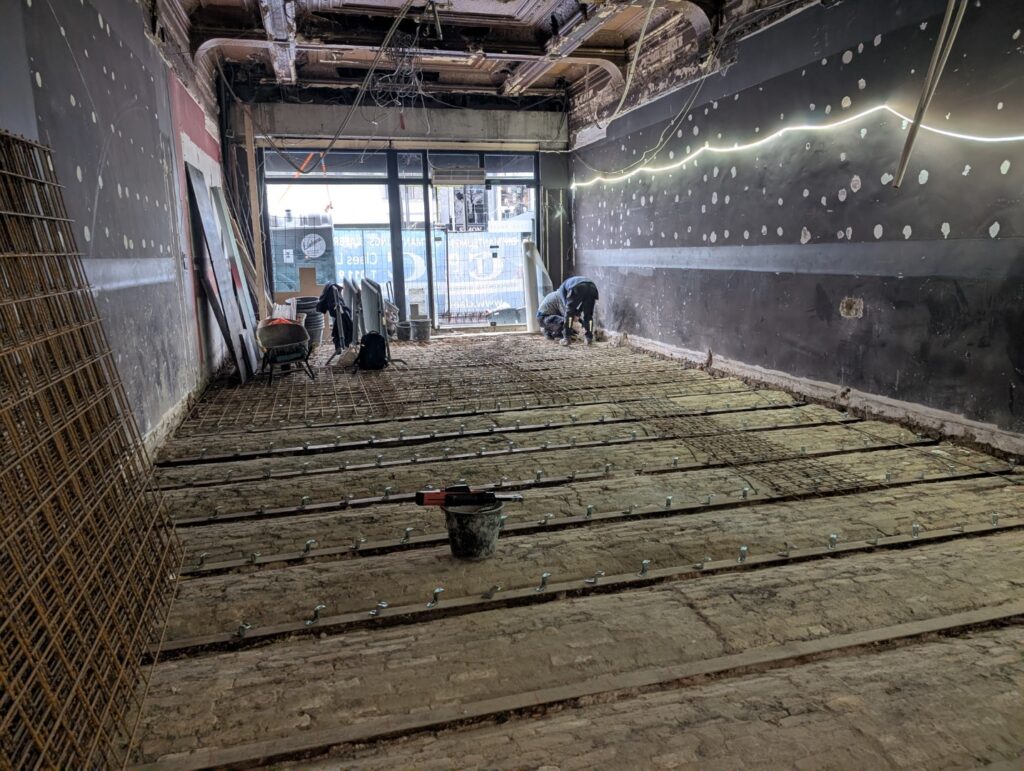
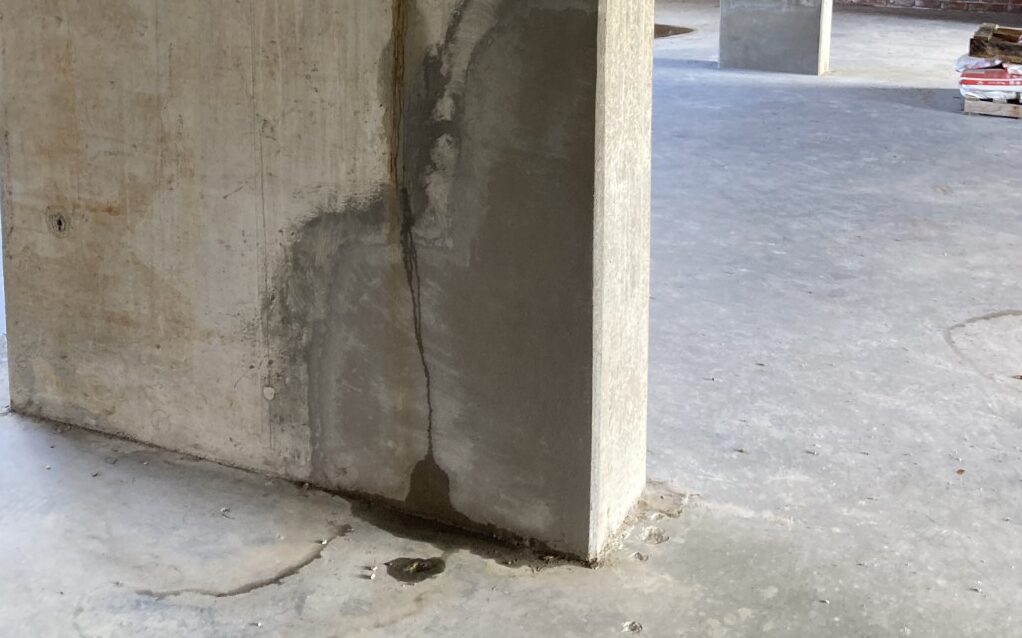
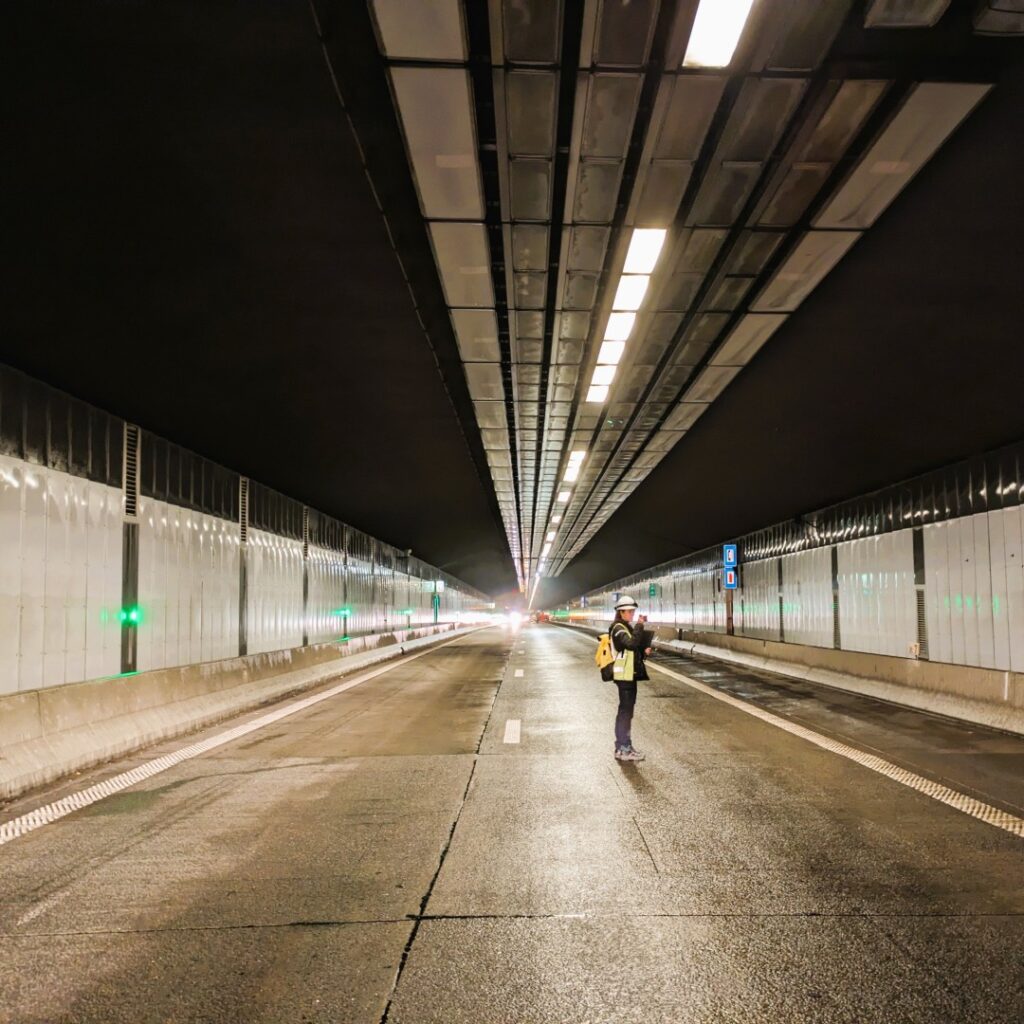
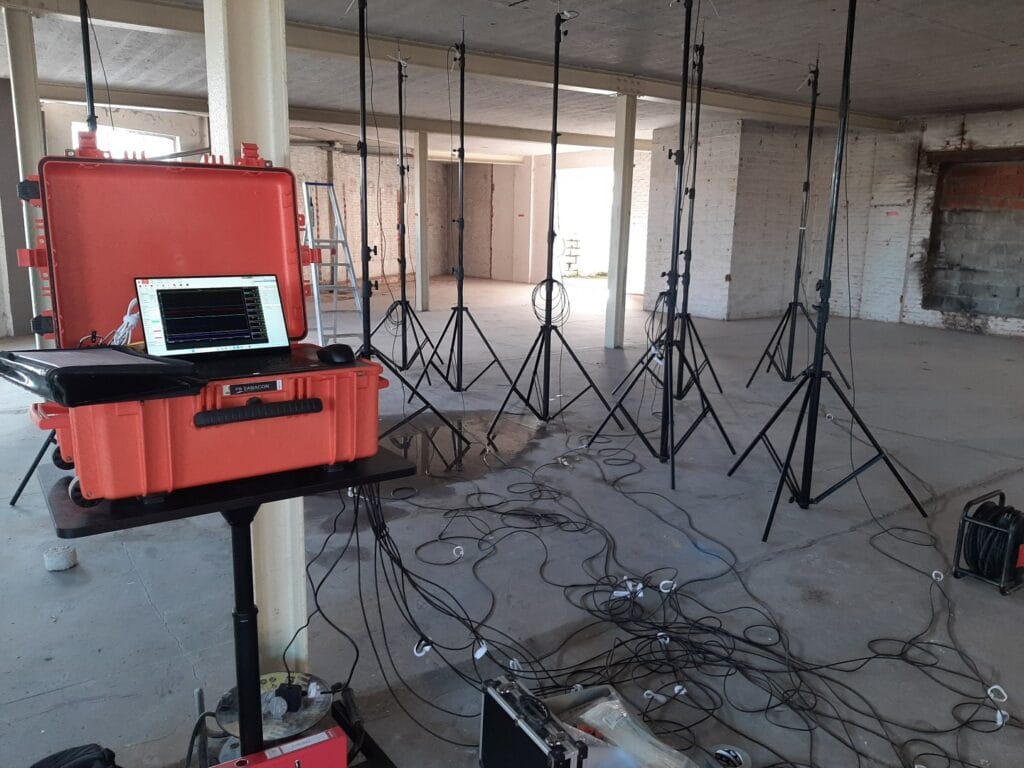
A remaining service life calculation always begins with a thorough analysis of the existing situation. We combine available plans, inspection reports, and historical data with additional on-site investigations. Depending on the construction, material analyses, chloride testing, carbonation measurements, corrosion determinations, or monitoring may be utilized.
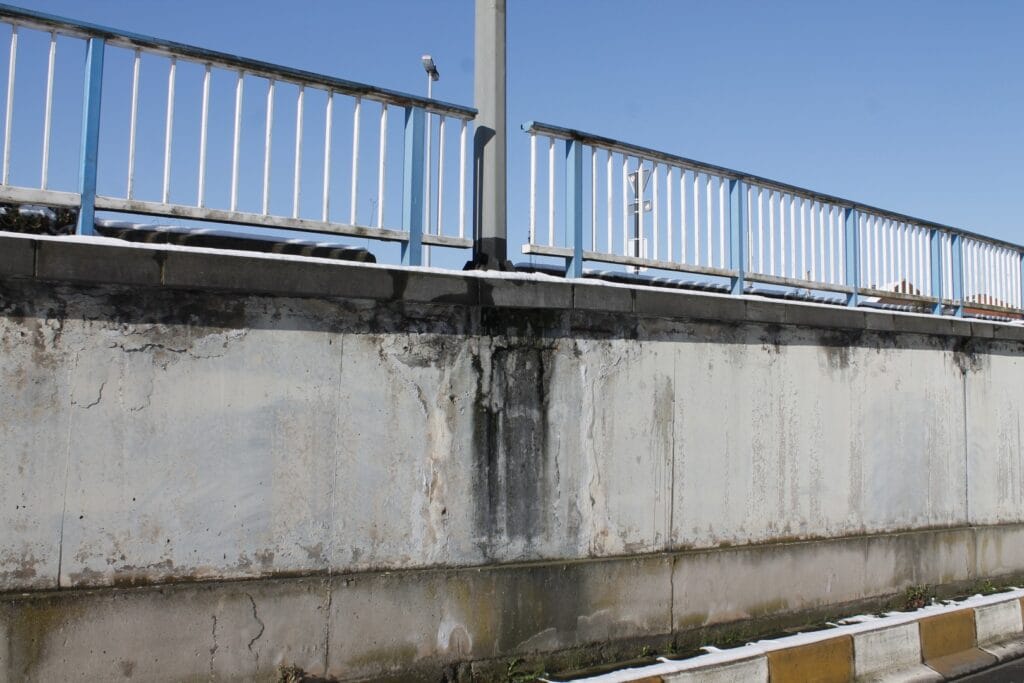
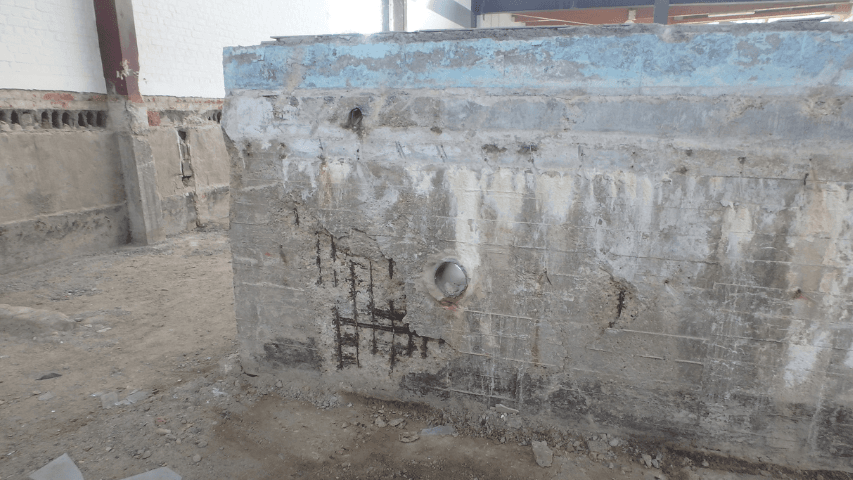
The collected data form the basis for lifespan models that predict the future evolution of damage and degradation processes. For concrete structures, carbonation, chloride penetration, reinforcement corrosion, and other degradation mechanisms can be modeled, among others. This provides insight not only into the current condition but also into the expected performance over five, ten, or twenty years.
This approach allows owners to proactively plan maintenance and renovations, rather than only intervening when damage becomes visible or critical.
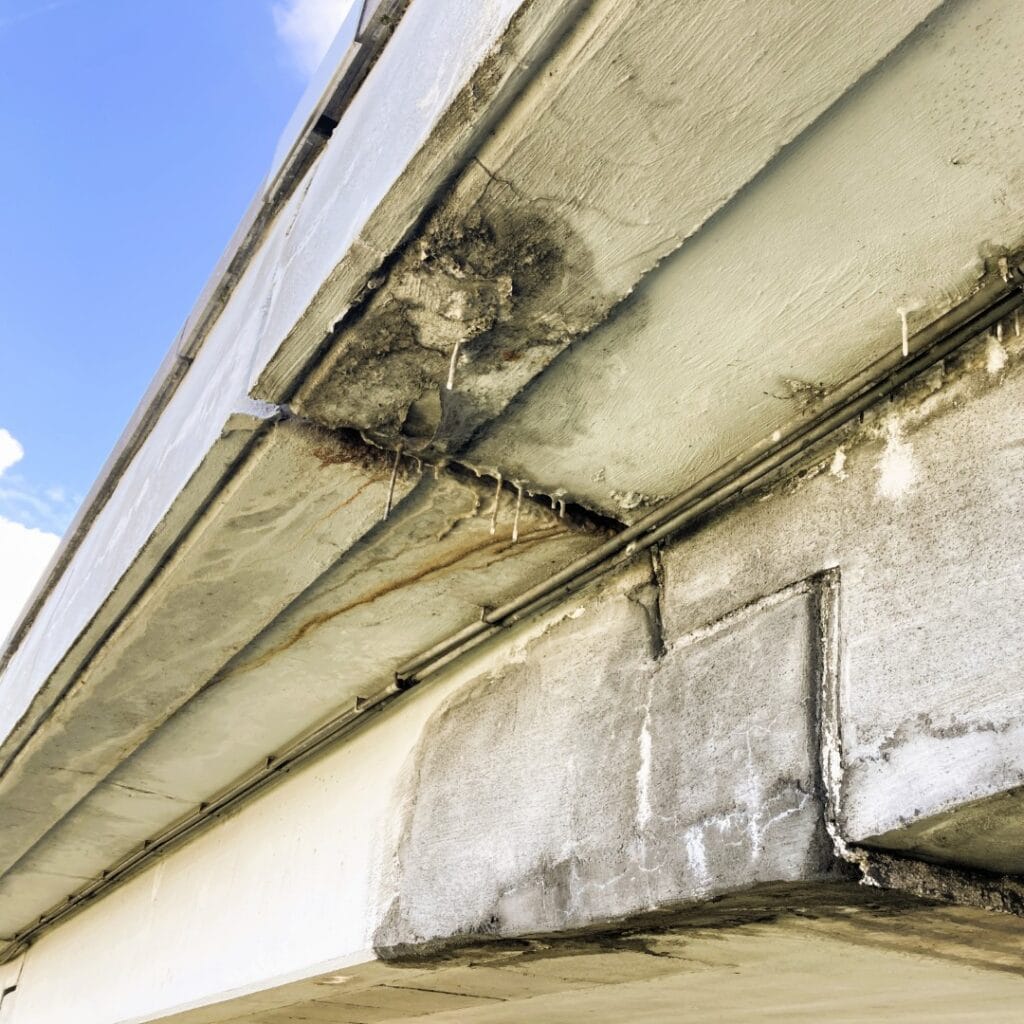
The results of a life cycle analysis are more than a technical assessment. They constitute an essential tool for sustainable asset management of buildings and infrastructure. By gaining insight into the remaining lifespan of structures, owners can determine priorities, justify investments, and optimize maintenance strategies.
Within the Sanacon ecosystem, technical analyses are linked to management and investment models. In combination with DIMCOST ‘s expertise, technical risks can be translated into concrete maintenance scenarios and multi-year plans. This creates an integrated approach in which inspection, research, engineering, and asset management together lead to substantiated decisions regarding lifespan extension, renovation, or replacement of structures.
Remaining service life calculations help organizations not only to manage risks, but also to extract the maximum value from their existing structures.
Discover our latest articles and posts here.