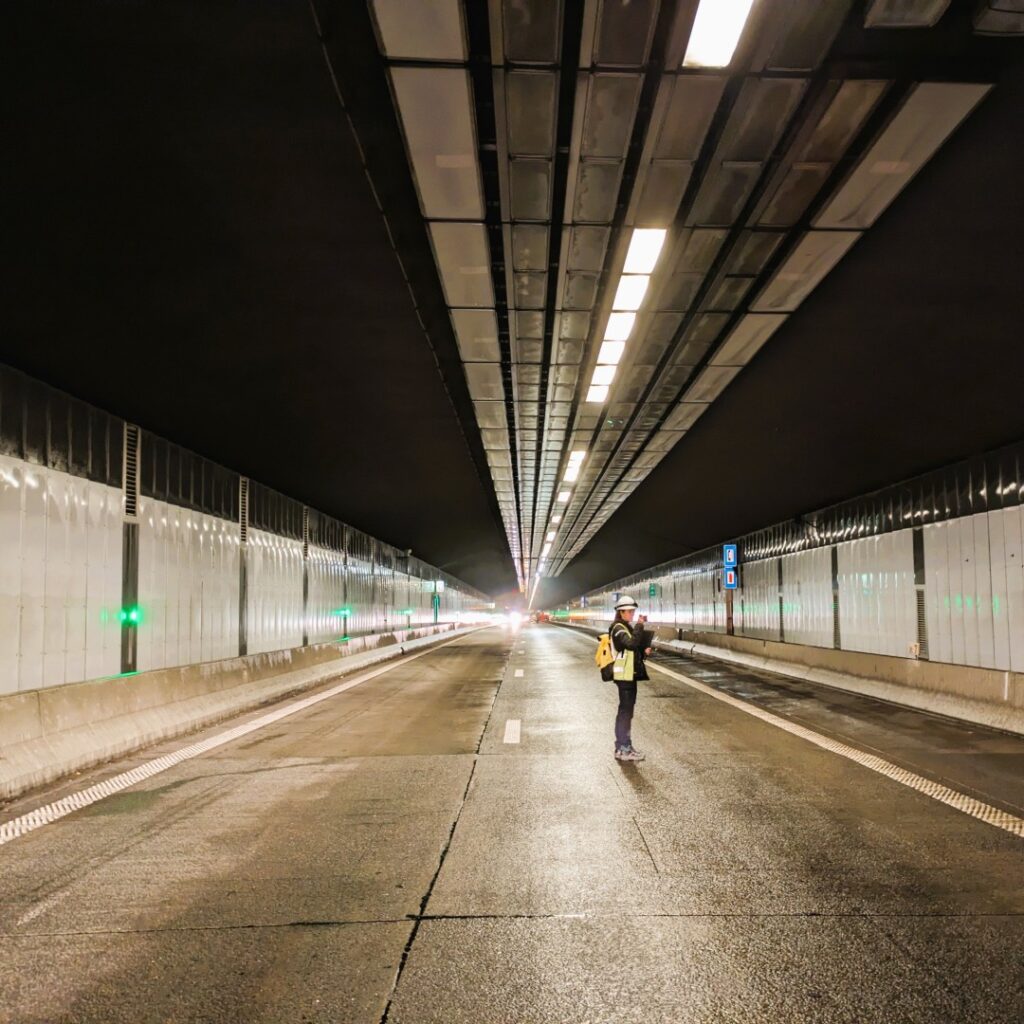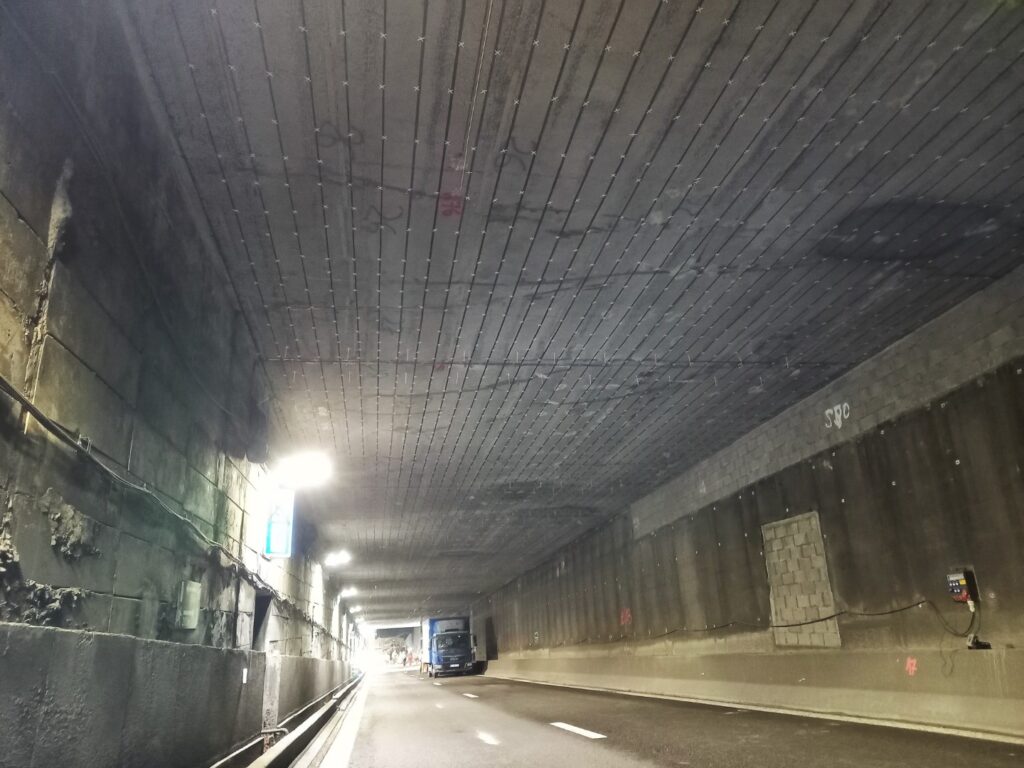
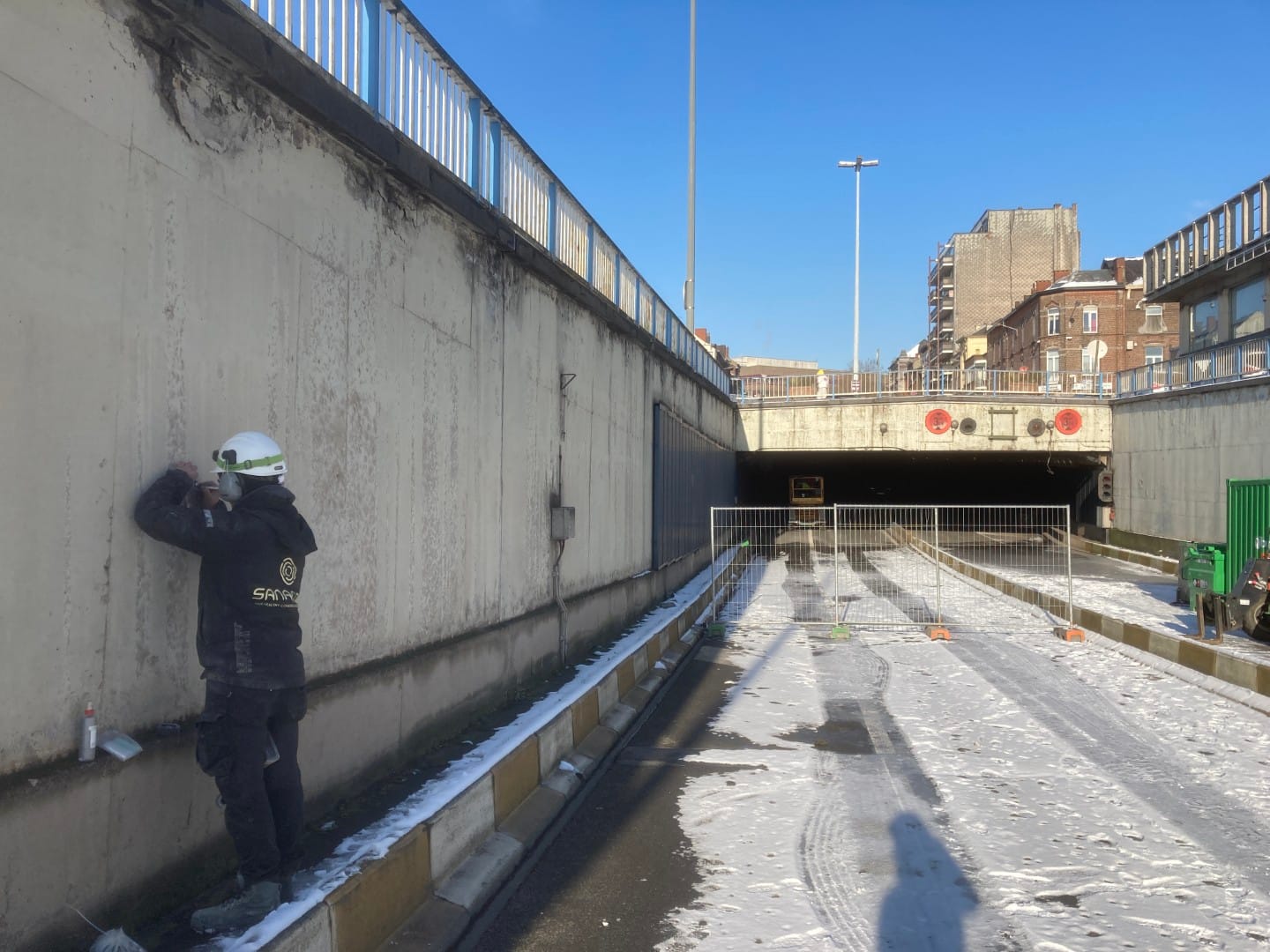
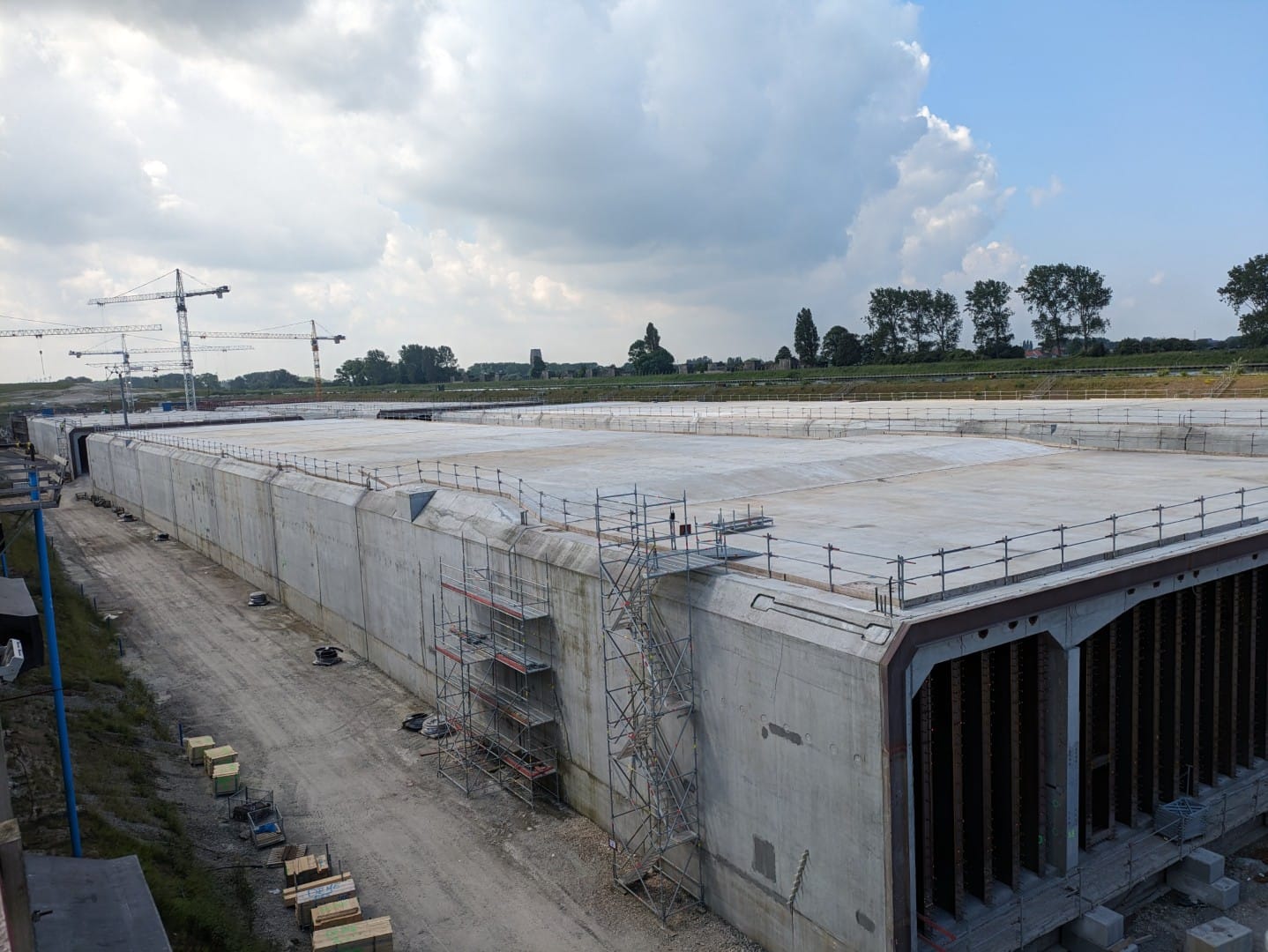
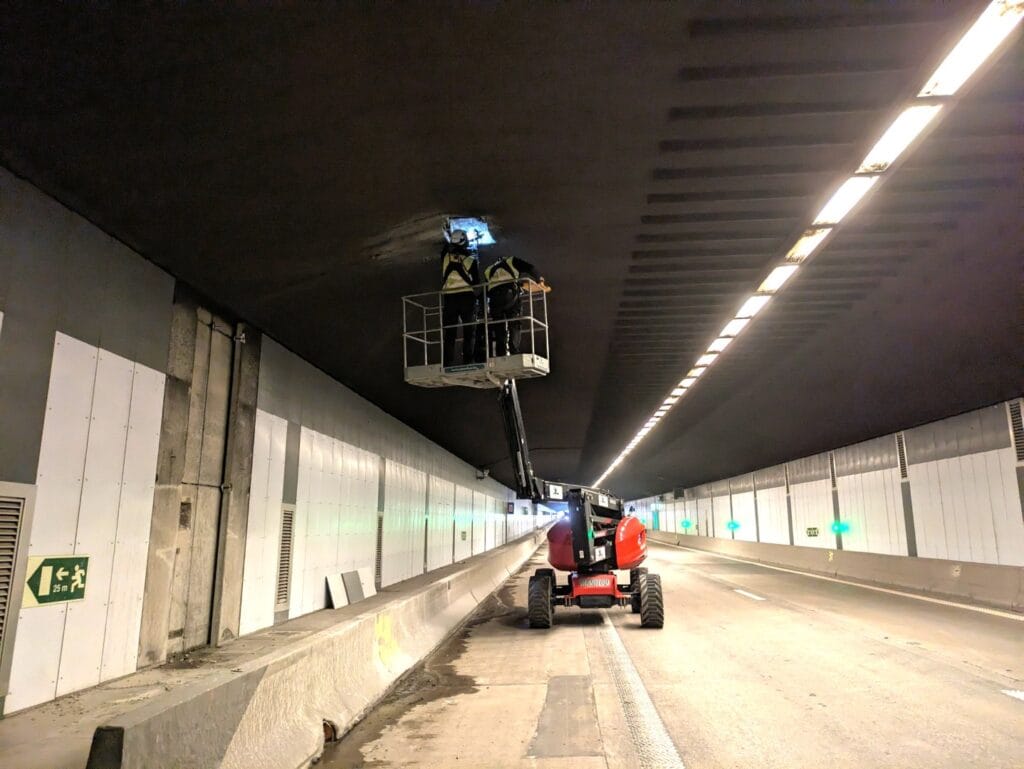
Tunnels are crucial links in our road network and essential for smooth economic flow. Yet, these concrete structures are under severe pressure due to aging and an aggressive climate full of exhaust fumes and de-icing salts. Chloride intrusion, in particular, invisibly erodes the reinforcement, seriously threatening structural safety in the long term. Unexpected closures for emergency repairs directly lead to traffic jams and significant social costs. The challenge, therefore, is to carry out necessary renovations with minimal disruption to road users. Sanacon plays a key role in this by mapping the exact condition of walls and roof panels. Using advanced techniques, we analyze the degree of corrosion and remaining service life, often during nighttime inspections. Based on this, we recommend targeted repair methods, such as cathodic protection, that effectively halt the degradation process. In this way, we shift the focus from reactive repair to sustainable life extension. With Sanacon’s expertise, our vital infrastructure remains safe and available for the future.
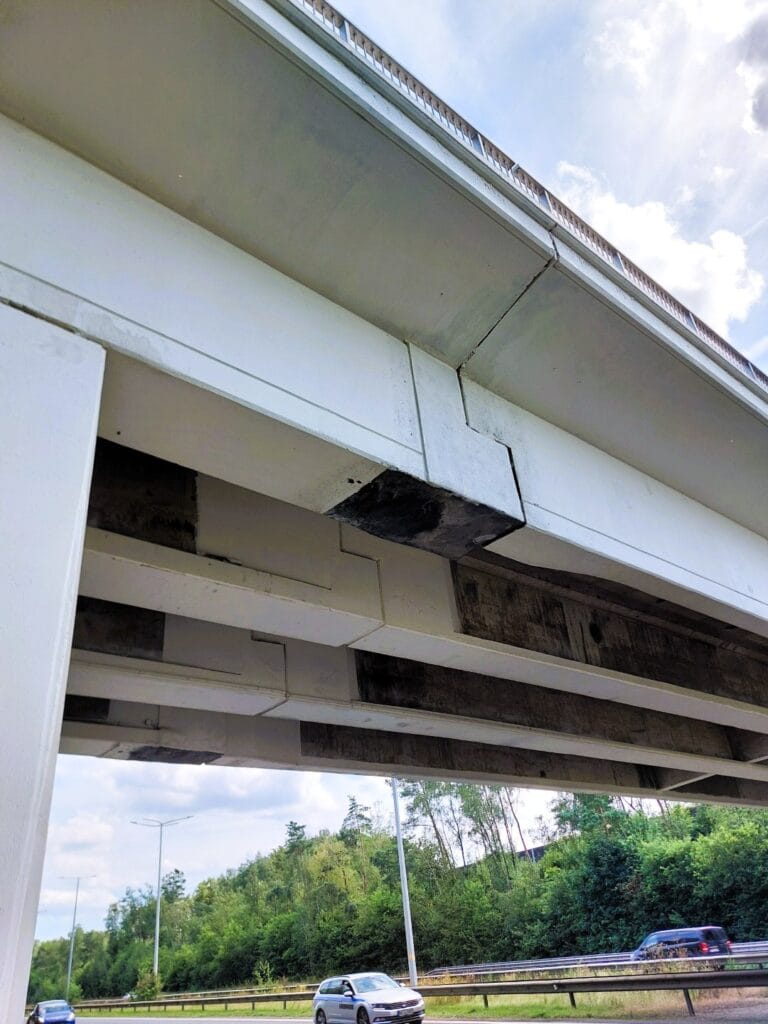
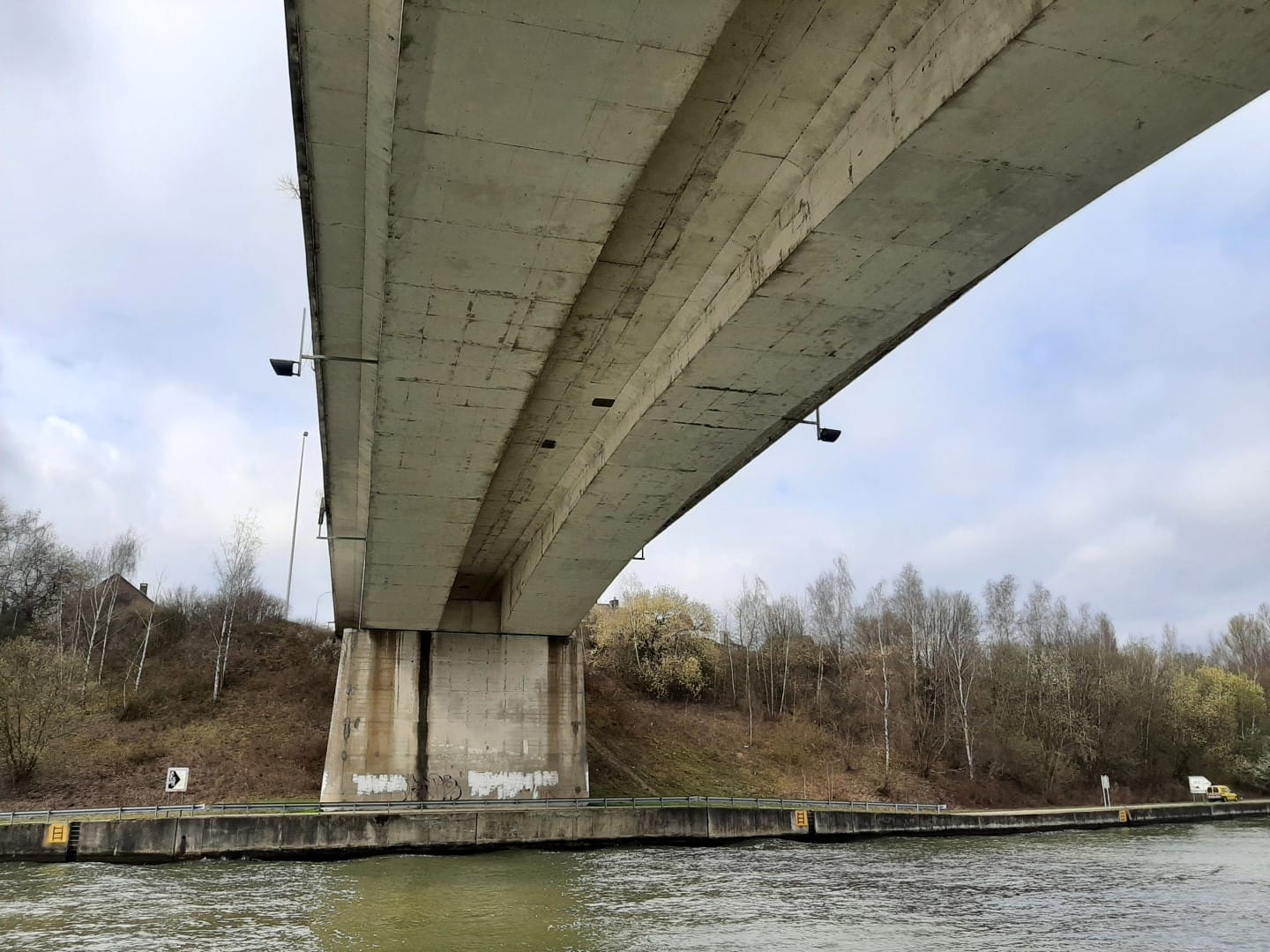
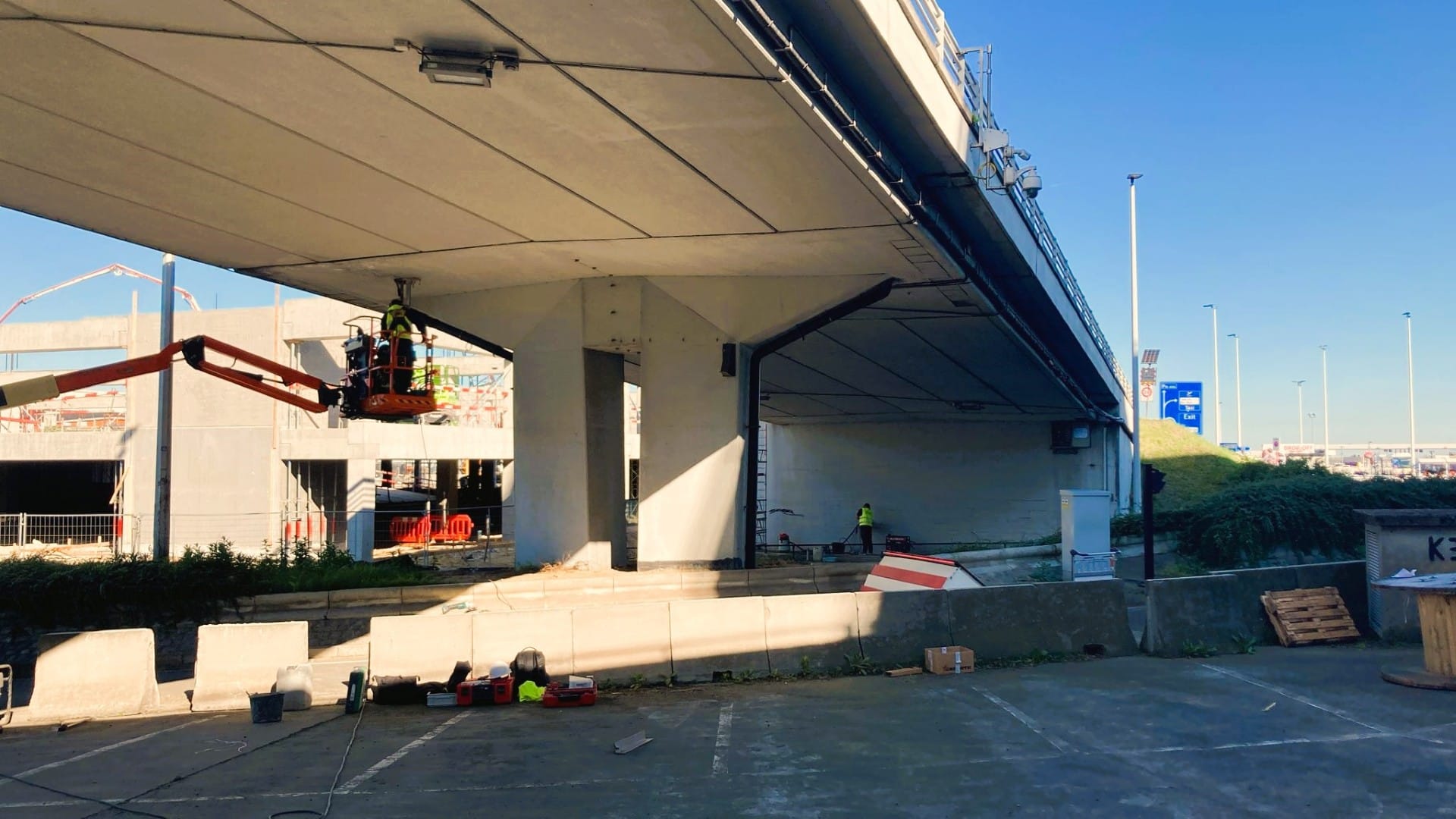
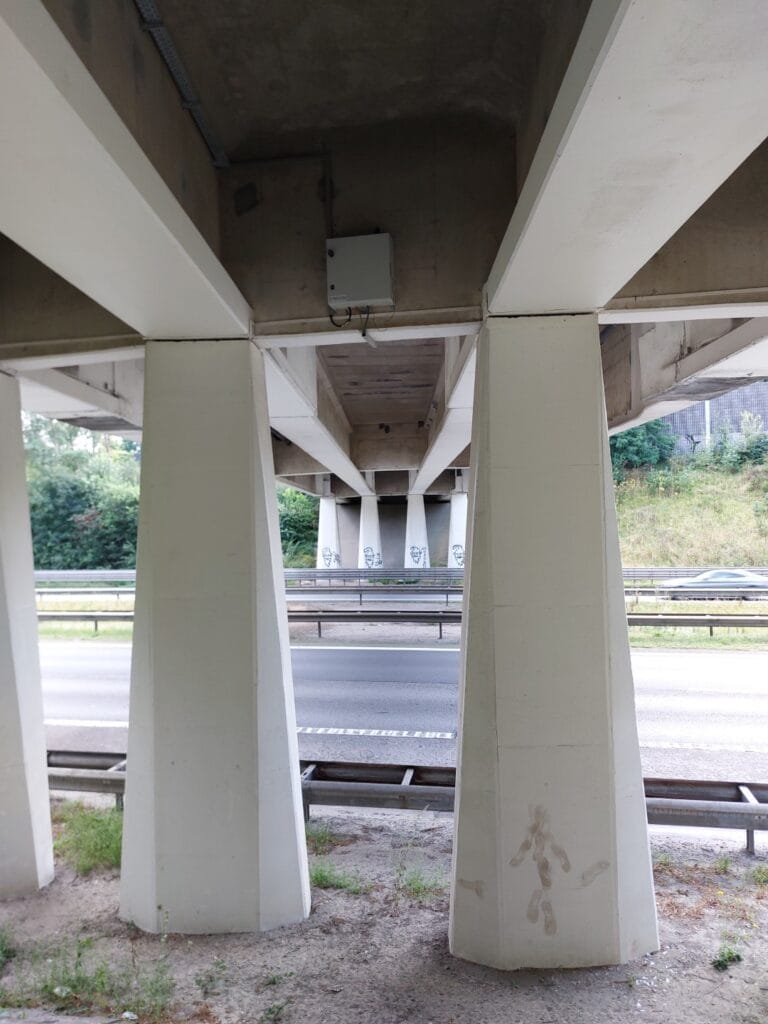
Bridges and viaducts form the backbone of our mobility, but they are increasingly experiencing the effects of age and heavier traffic than they were originally designed for. Many of these structures, such as the iconic Vilvoorde Viaduct, require a specialized approach to ensure their safety and availability.
Sanacon plays a crucial role in this by using advanced inspection techniques to reveal the exact condition of high-risk elements, such as toothed supports and prestressed girders. Where standard inspections stop, we continue with in-depth analyses of chloride intrusion and corrosion at leaking expansion joints.
We integrate innovative solutions to monitor the structure’s behavior in real time. Based on this data, we provide targeted advice on life-extending measures, such as cathodic protection . This allows managers to make objective choices between renovation and replacement, thus preventing unnecessary capital destruction. By accurately predicting the remaining lifespan, we transform reactive crisis management into proactive asset management. Sanacon thus ensures that crucial connections remain safely open and the social impact of roadworks is minimized.
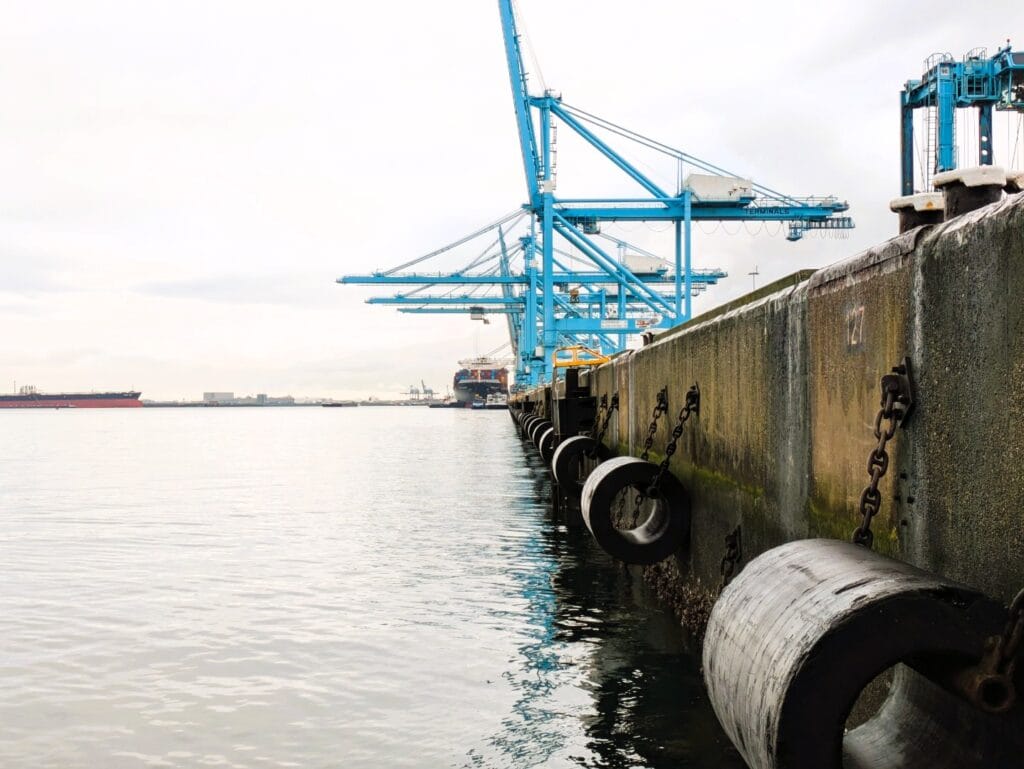
Hydraulic structures such as locks, weirs, quay walls, and pumping stations are the silent engine of our water management and logistics chain. However, these structures operate permanently in one of the most aggressive environments imaginable: the constant alternating wet and dry conditions (tidal action) and exposure to chlorides from seawater or de-icing salts severely impact the concrete. Particularly in the splash zones, salt penetrates deeply into the reinforcement, leading to corrosion that invisibly undermines the structural integrity of quay walls or lock walls.
Sanacon offers the necessary certainty here by looking beyond the surface. Using targeted inspection techniques, we map the chloride intrusion and corrosion level of the reinforcement with pinpoint accuracy, even in hard-to-reach areas. Our analyses with predictive models such as DIMCOST provide managers with insight into the actual remaining life of their assets.
OBased on this, we recommend sustainable restoration strategies, ranging from concrete repair to advanced cathodic protection, to permanently halt the degradation process. This prevents unexpected failures of vital links in our waterways and avoids the enormous economic impact of disrupted shipping. With Sanacon, you opt for proactive management that guarantees the long-term water safety and functionality of your hydraulic engineering infrastructure.
A thorough condition assessment forms the indispensable foundation for any sustainable management or renovation plan. By accurately mapping the current degradation mechanisms and the condition of the reinforcement, you eliminate uncertainties and avoid costly surprises during implementation. This objective starting point enables you to transition from reactive restoration to a cost-effective long-term strategy.
A scientifically based remaining life calculation transforms snapshots of damage into a reliable forecast for your infrastructure. By modeling degradation rates such as chloride intrusion, you can determine exactly when critical limits are exceeded and intervention is necessary. This insight allows you to plan maintenance budgets years in advance and avoid unnecessary replacement costs.
Cathodic protection (CP) is the ultimate life-extending technique for reinforced concrete severely affected by chlorides. By applying a protective current, the corrosion process of the reinforcement is actively halted without the need for major demolition work. This makes CP an extremely durable and cost-effective solution for critical infrastructure that must continue to perform safely for decades to come.
Sanacon translates material science data into calculation models to test the precise stability and residual strength of your structures. Where the load-bearing capacity is insufficient, we design targeted reinforcements with bonded reinforcement to restore structural safety.