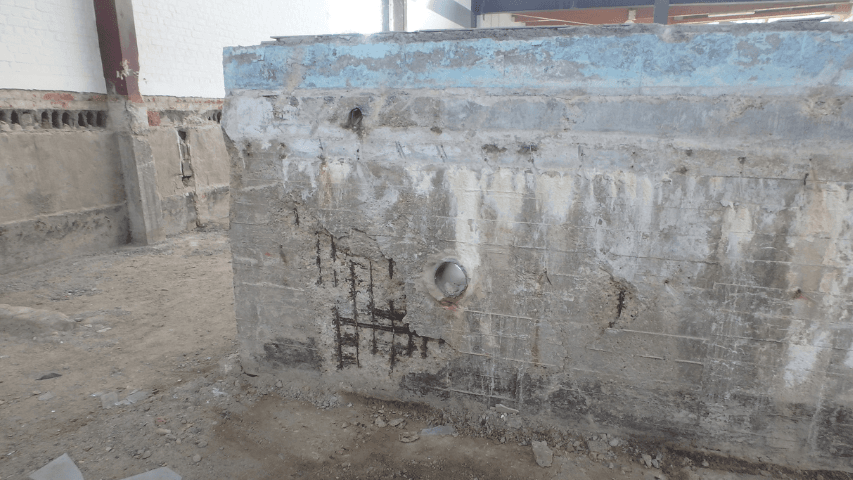
Sanacon helps owners and managers sustainably extend the lifespan of existing structures. Through inspections, research, monitoring, and remedial advice, we identify risks and develop strategies that maximize the lifespan of buildings and infrastructure.

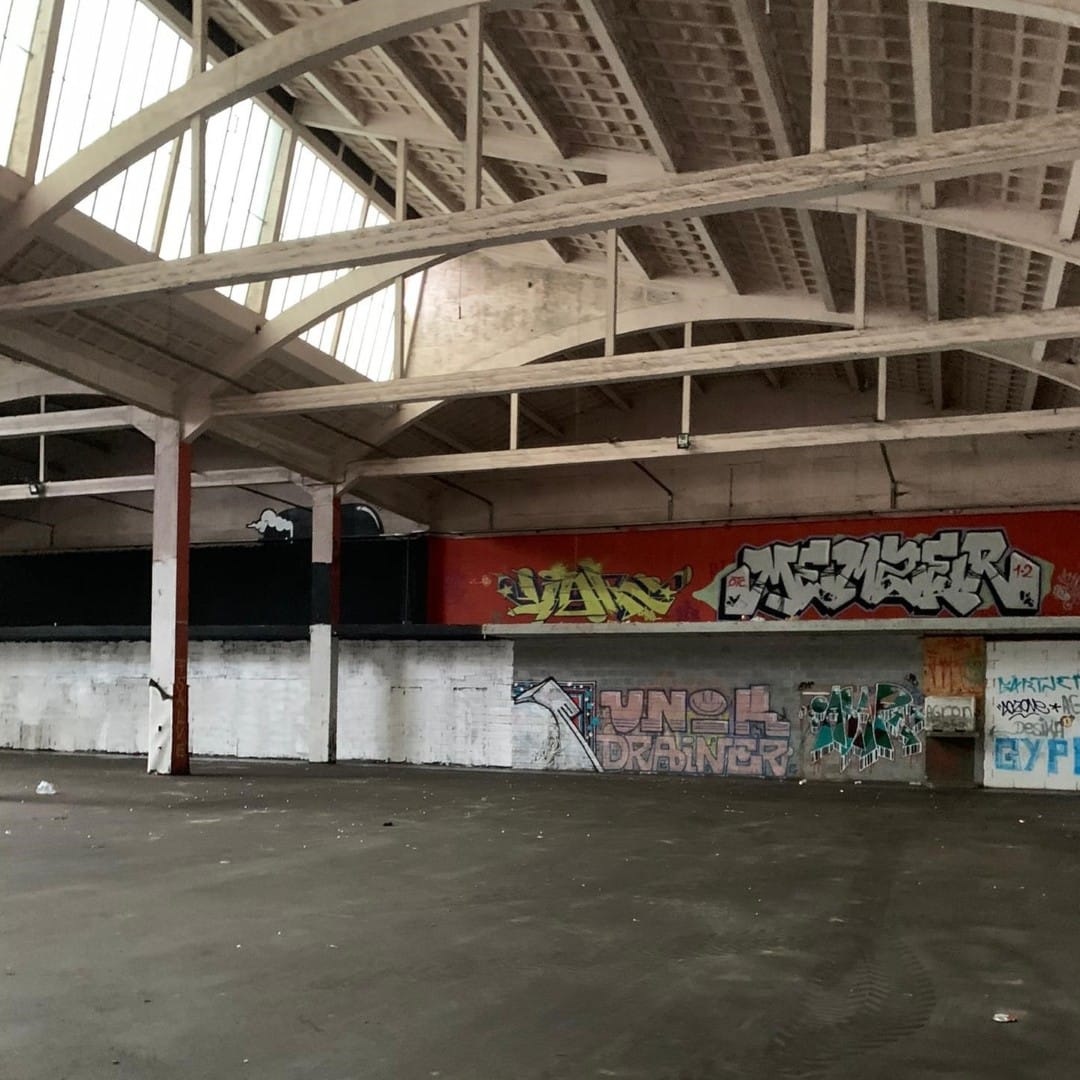
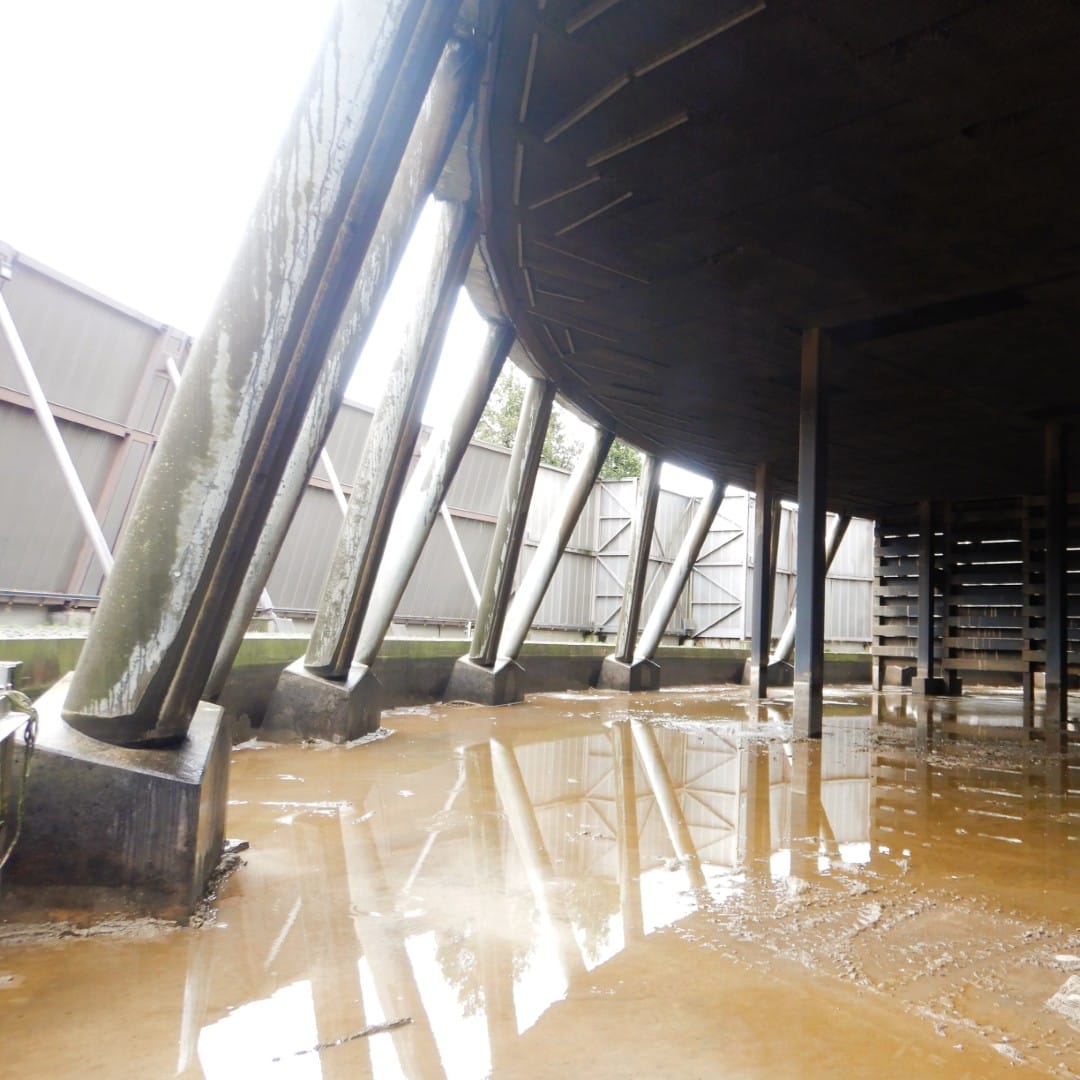
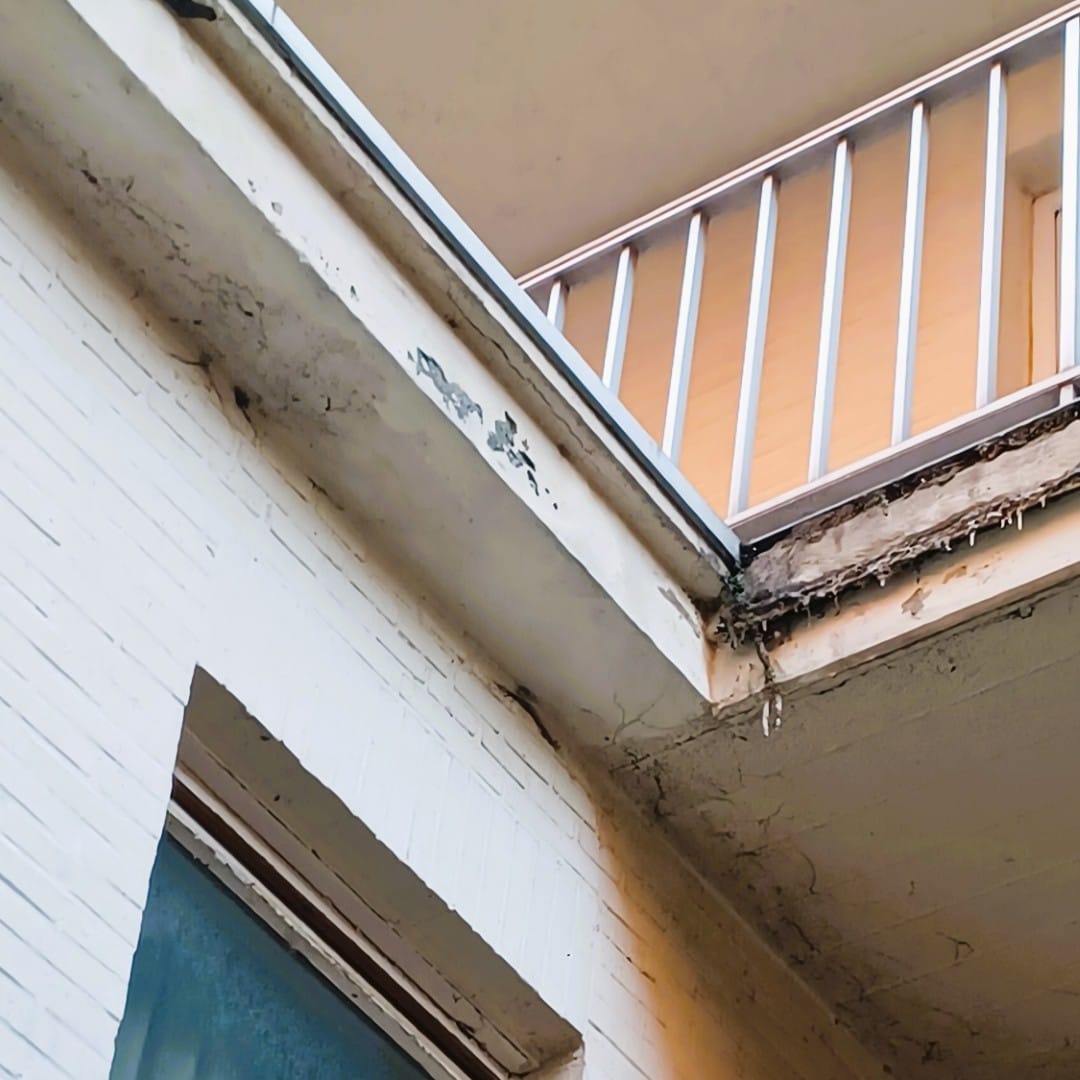
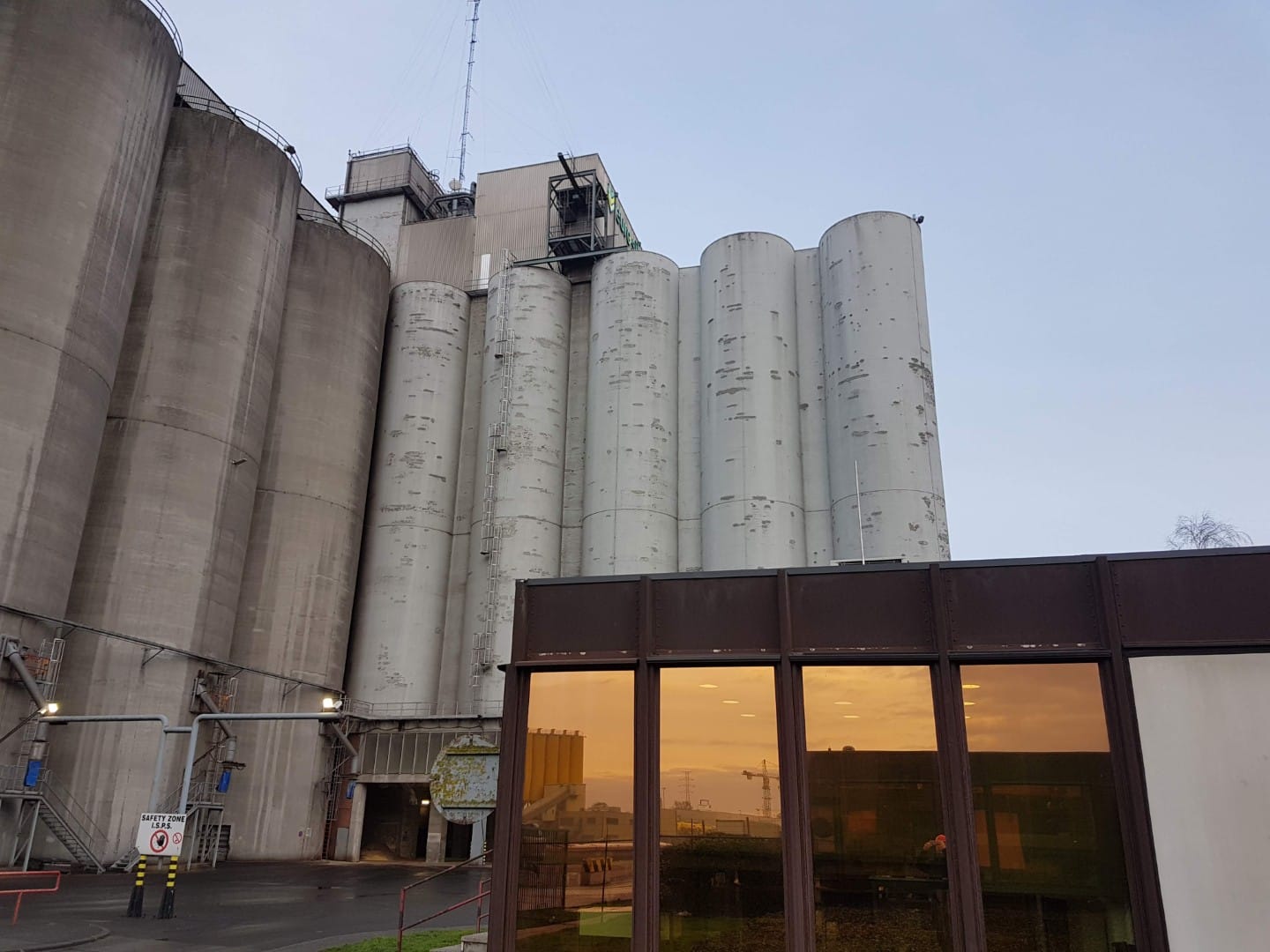

At Sanacon, we approach sustainability from a clear and well-founded framework. To extend the lifespan of a structure, we always start with three essential questions:
Through file research, on-site investigation, and monitoring, we determine whether carbonation, chloride intrusion, mechanical damage, or other degradation mechanisms are present.
We determine the urgency based on measurement results, model calculations (such as DIMCOST ), and risk assessments. This gives you clear insight into whether immediate action is necessary or whether follow-up is sufficient.
We formulate concrete, feasible, and technically sound solutions to sustainably repair, protect, or monitor the structure — always with a focus on maximum lifespan and minimal intervention.
Intake of the structure to gain insight into the issues. Based on this, the further process is defined.
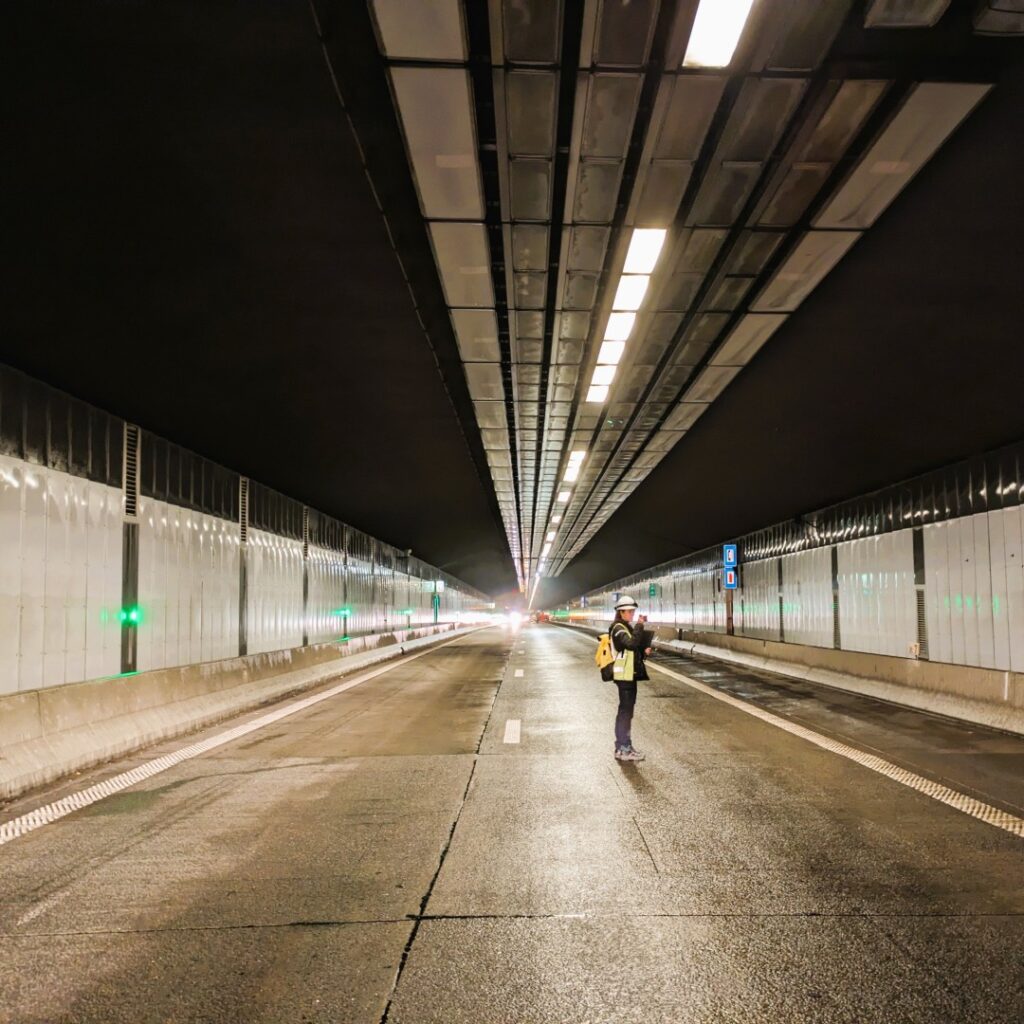
Targeted inspection, sampling and measurement data collection on-site.
Processing of all measurement data and calculating current and future risks.
Risk-based advice for possible further steps
Periodic assessment of the condition
Taking direct action to stop further degradation
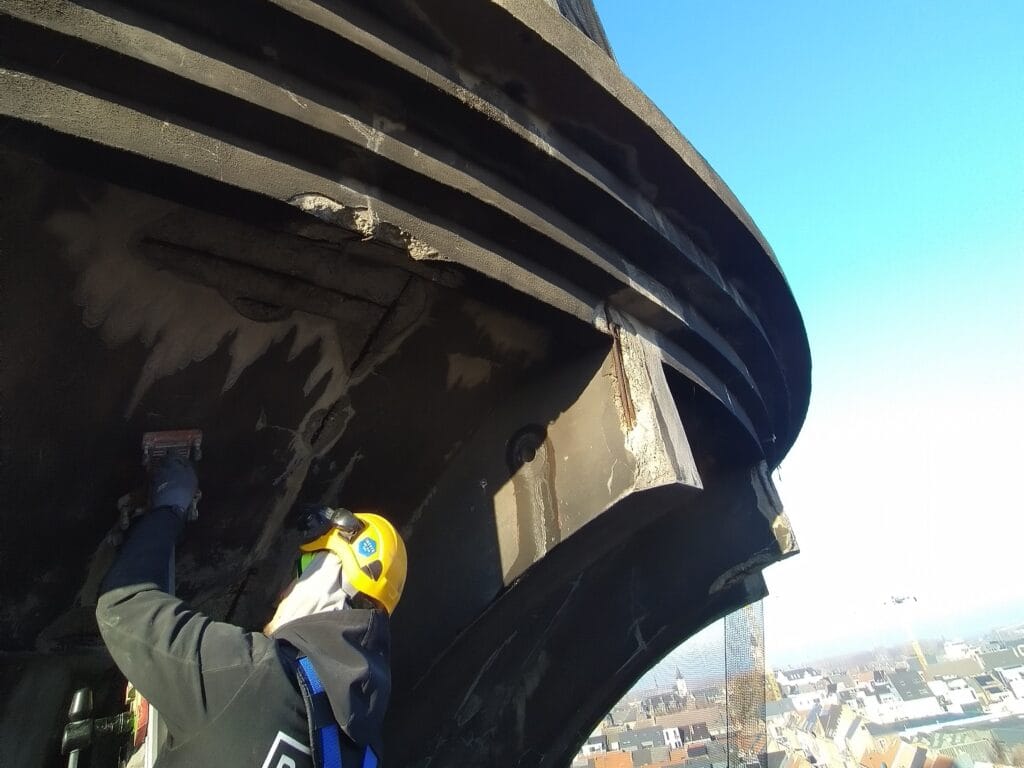
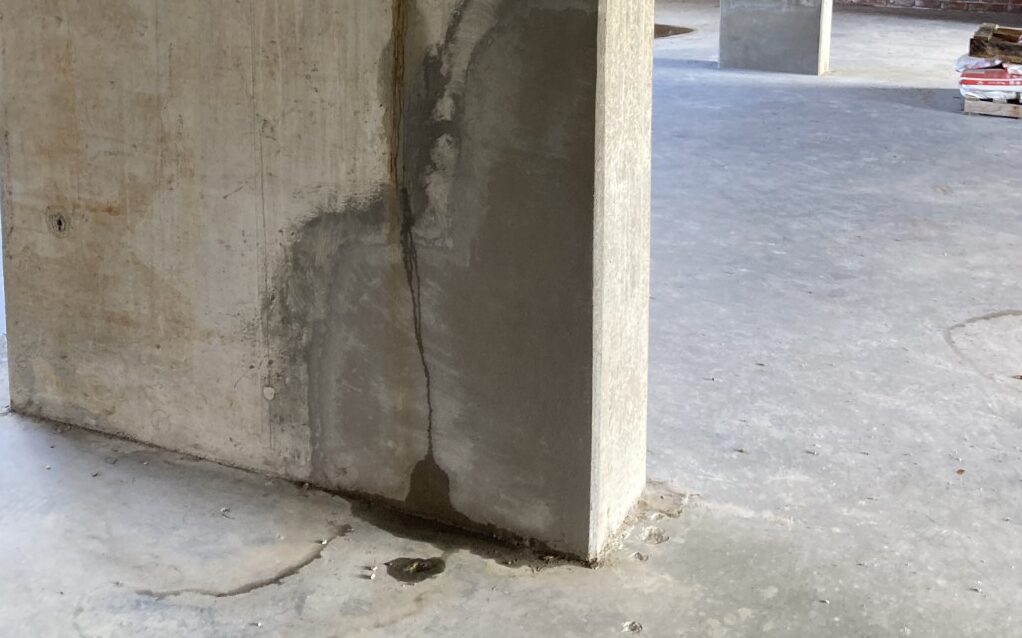
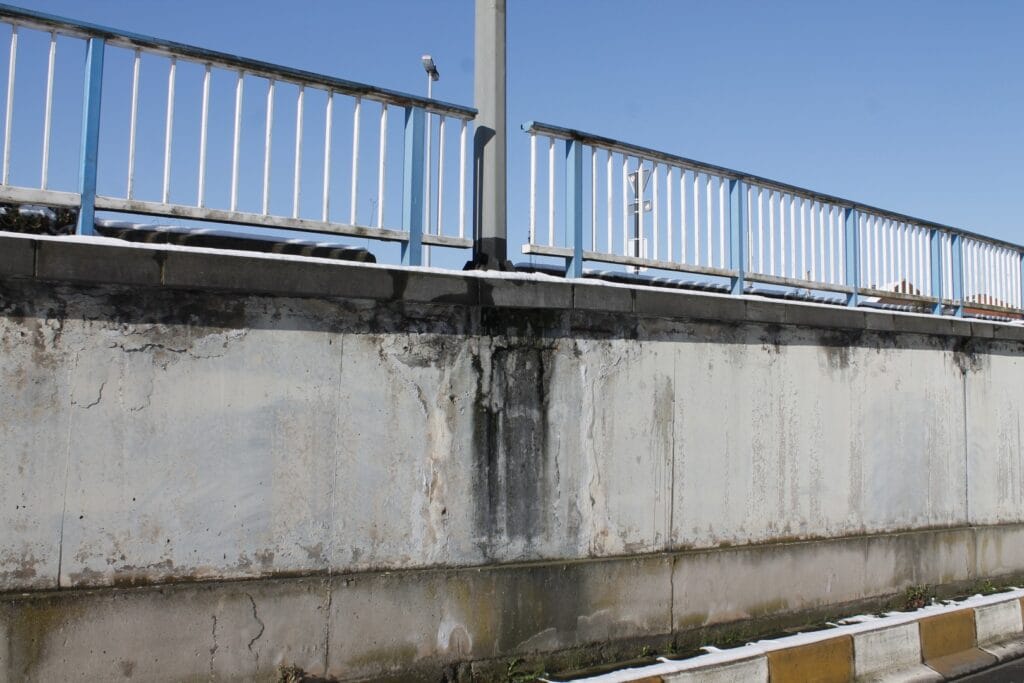
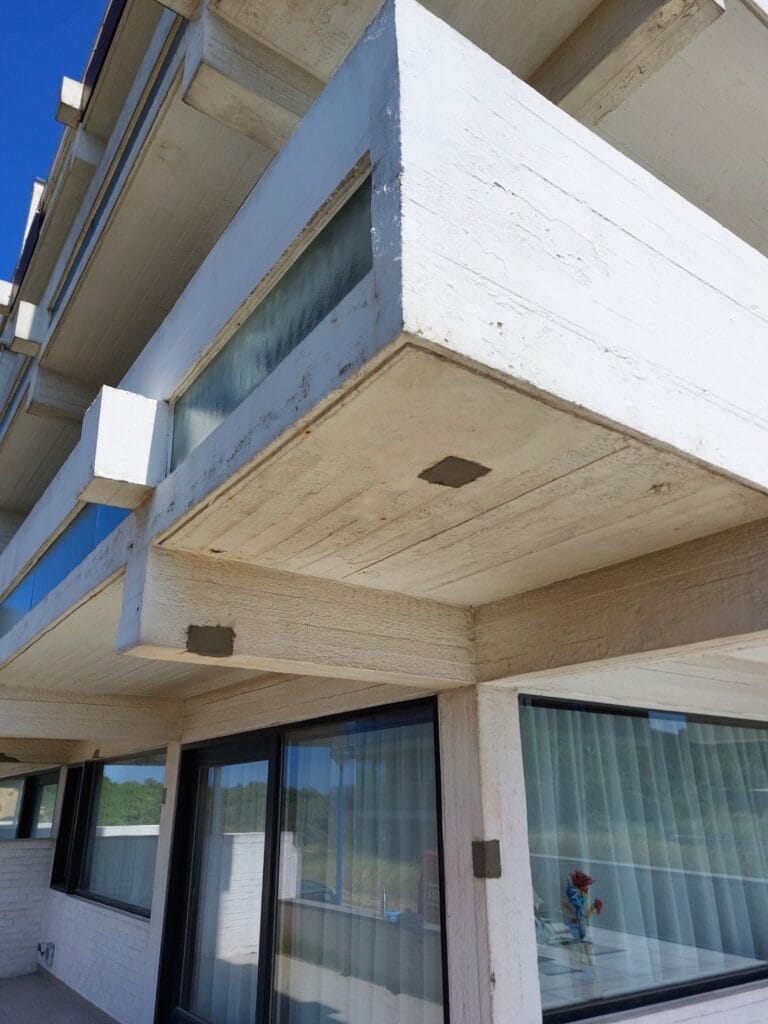
This is usually followed by a visual inspection of your (concrete) structure. This involves identifying visible damage, wear, cracks, or other signs of aging. A visual inspection can be conducted at specific locations or across the entire structure. In the latter case, we call it an inventory. For this, we work within the normative framework according to the NEN 2767 method. A condition score is determined, and heat maps can be created to visually illustrate the distribution of damage on plans or 3D models.
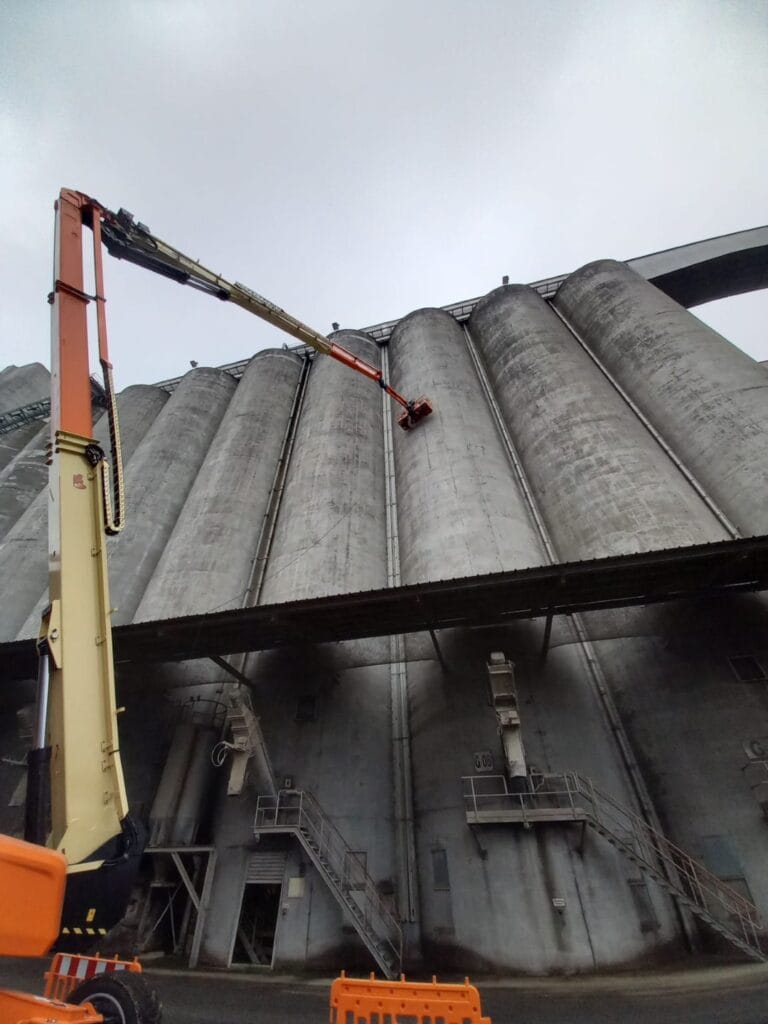
For hard-to-reach locations, we use drones or ROVs. The images can also be further processed into orthophotos with damage characteristics. For this, we call upon our subsidiary MEDEXON.
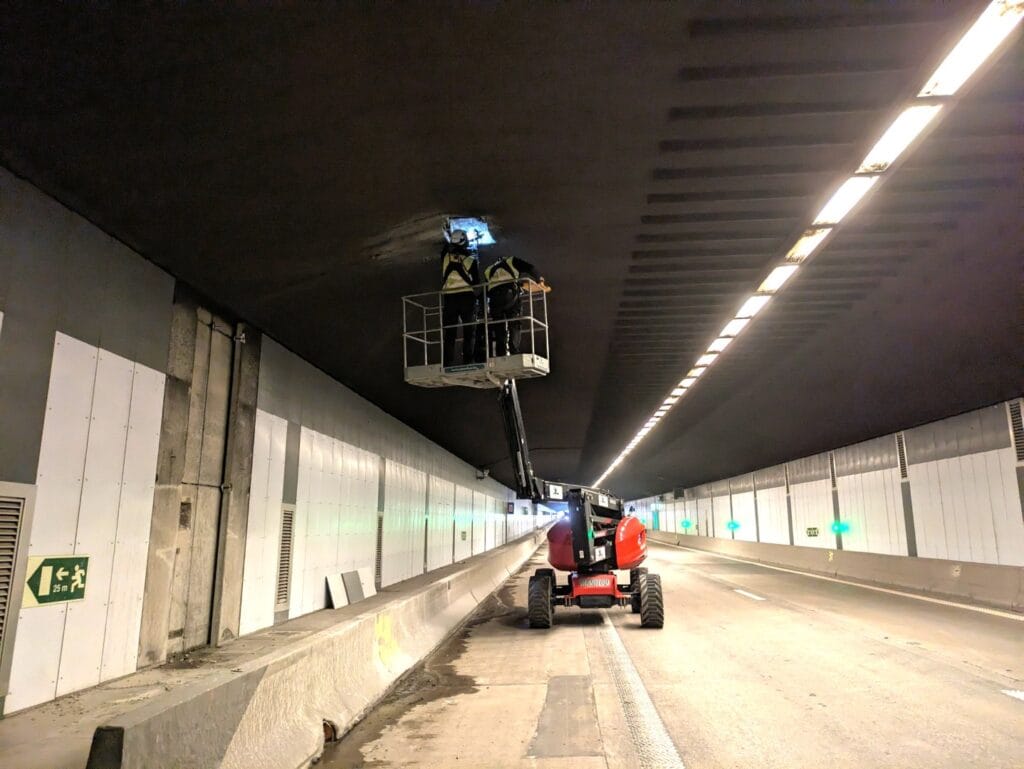
The most sustainable structure is the structure that does not need to be demolished. Thanks to our independent diagnosis, our customers save an average of 30% on their maintenance costs by avoiding over- or under-dimensioning of repairs.
True asset management begins where the guesswork stops. By proactively mapping your maintenance debt, we shift the focus from 'firefighting' to strategic value creation and safety.
The most sustainable structure is the structure that does not need to be demolished. Thanks to our independent diagnosis, our customers save an average of 30% on their maintenance costs by avoiding over- or under-dimensioning of repairs.
True asset management begins where the guesswork stops. By proactively mapping your maintenance debt, we shift the focus from 'firefighting' to strategic value creation and safety.
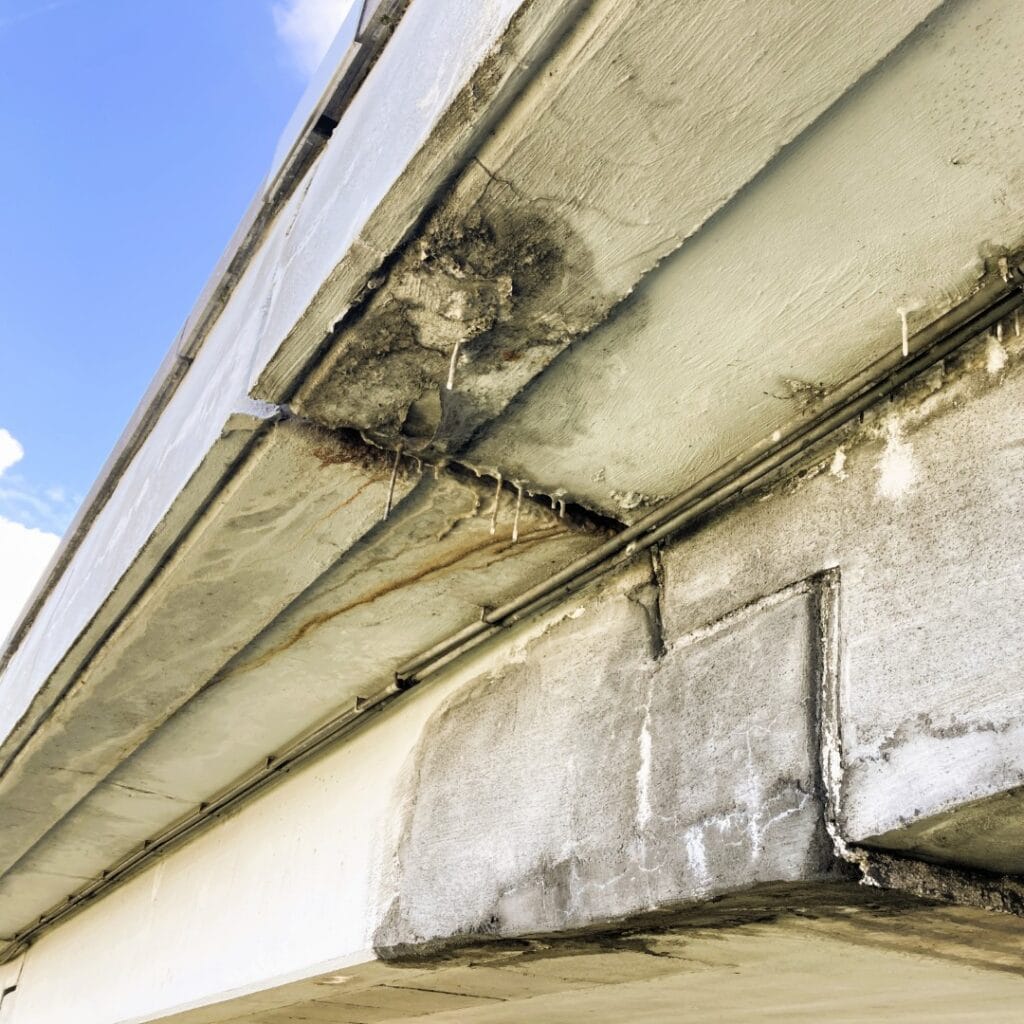
The collected data is compiled into our proprietary data platform, DIMCOST. This platform allows for structured data collection and assessment of the risks of depassivation (necessary for corrosion).
When performing such residual life calculations, we use scientifically proven calculation models, including those described in FIB Bulletin 34 and FIB Bulletin 76. These help accurately predict the remaining life of concrete, taking into account the most important degradation mechanisms such as carbonation, chloride ingress, and other environmental factors.
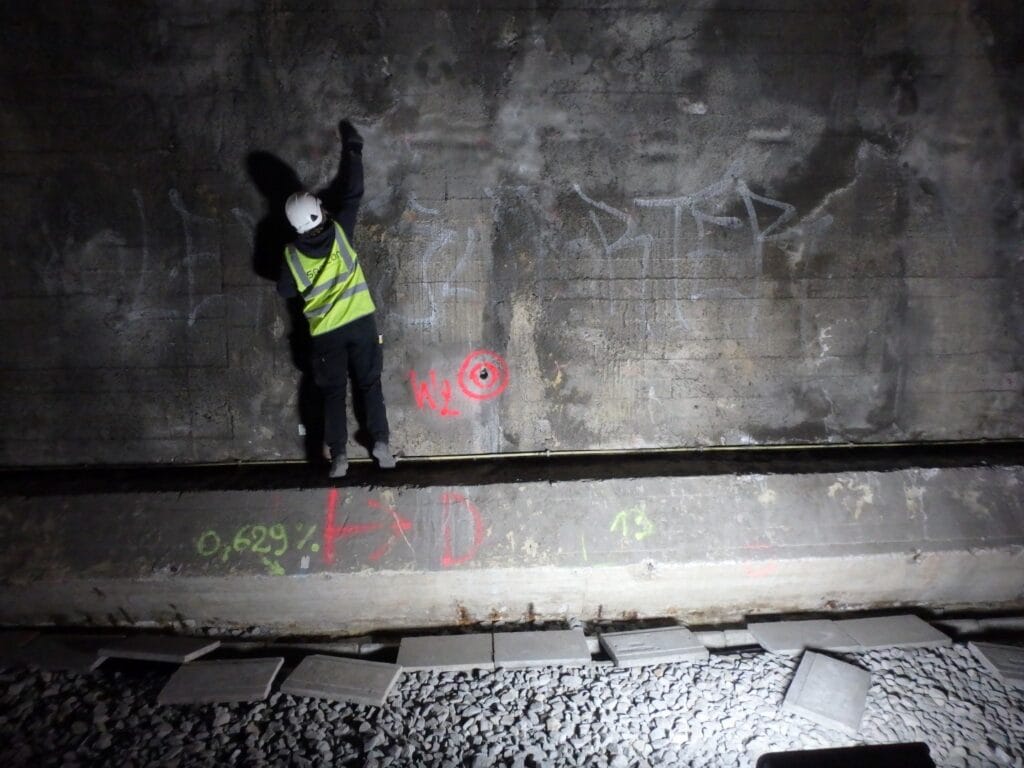
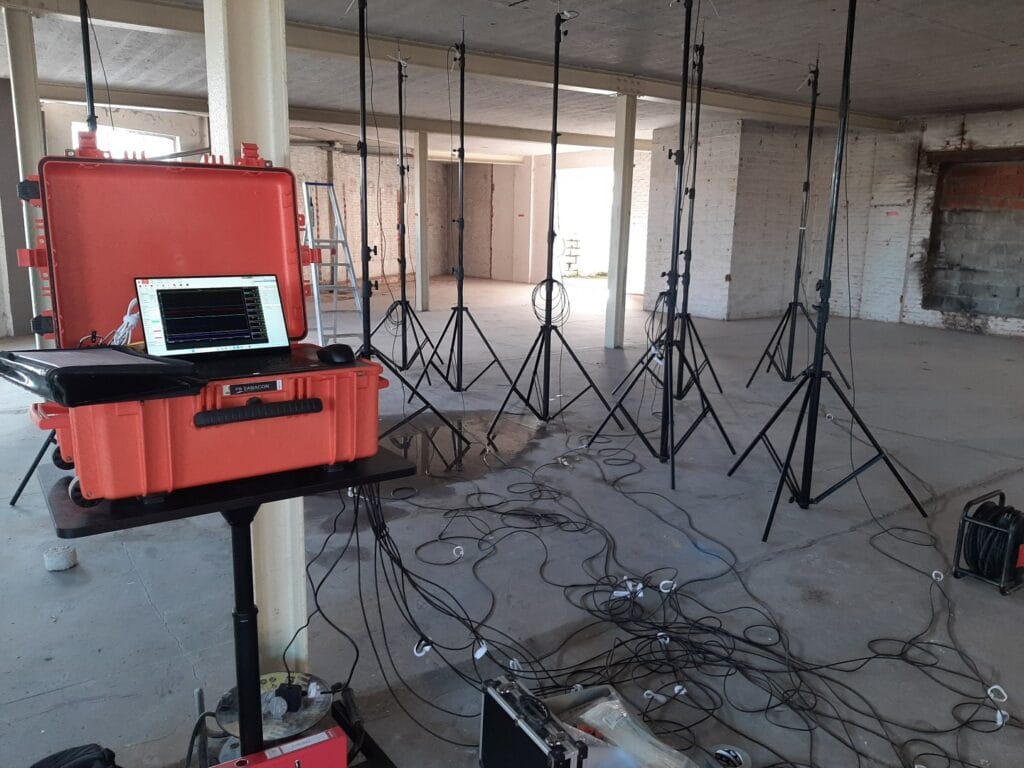
Even if the on-site investigation indicates that no immediate action is required, it can still be valuable to actively monitor the condition of the structure. Through targeted monitoring, Sanacon closely monitors the evolution of critical parameters, ensuring that any changes are identified promptly.
We guide you through this process: which parameters need to be measured where , which measurement methods are most suitable , and which limit values trigger action . This structured monitoring gives you reliable insight into the long-term condition of your structure and allows you to proactively intervene when truly necessary.
Monitoring gives you peace of mind, certainty, and sound control over your assets — and Sanacon supports you every step of the way.
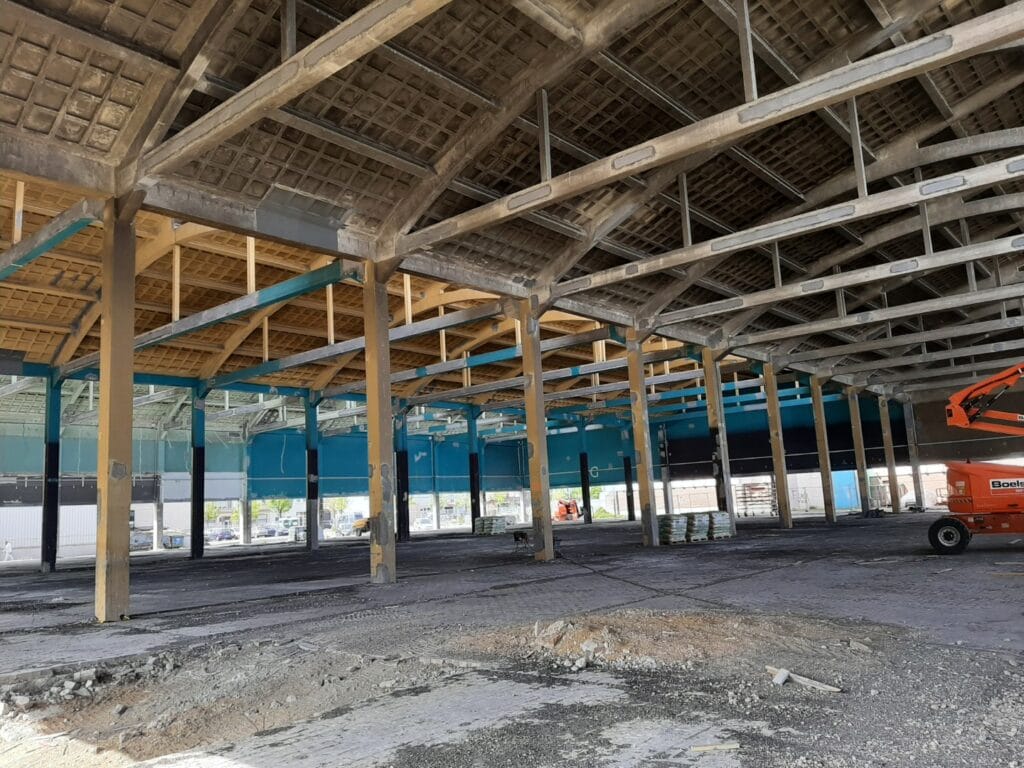
Depending on the complexity and budgetary constraints of a project, we develop various scenarios for restoring or protecting the structure. We determine the economic impact, i.e., the initial investment cost, the total cost of ownership for the intended remaining maintenance-free lifespan of the structure, and the advantages and disadvantages (risks) associated with choosing repair.
Once a specific scenario has been selected, Sanacon will prepare a complete technical implementation file containing a description of the works, implementation plans, and cost estimates. This file can then be used to launch a tender for suitable contractors.
After awarding the contract to a contractor, Sanacon can also be deployed for project monitoring. During site inspections, specific attention is paid to ensuring the work is being carried out according to industry standards and that all techniques and materials meet the established quality standards.
Discover our latest articles and posts here.