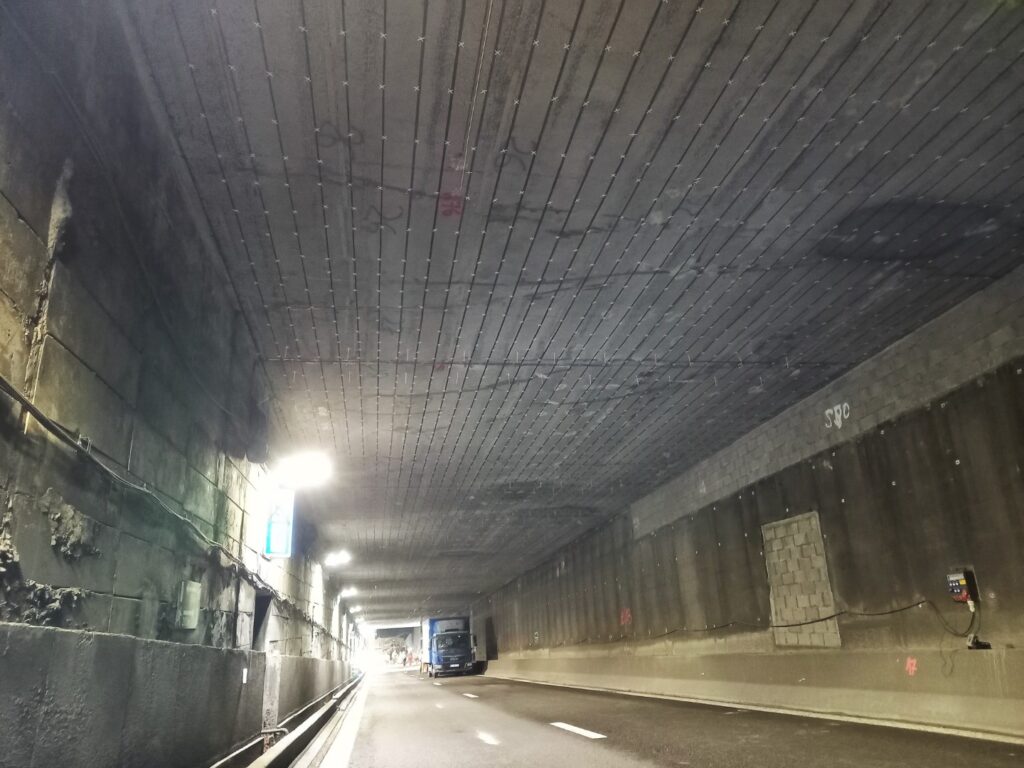
Sanacon safeguards the future of historic buildings by combining technical expertise with respect for their history. Through accurate condition assessments, stability studies, and innovative repair advice, Sanacon guarantees structural safety and a technically sound foundation for sustainable repurposing.
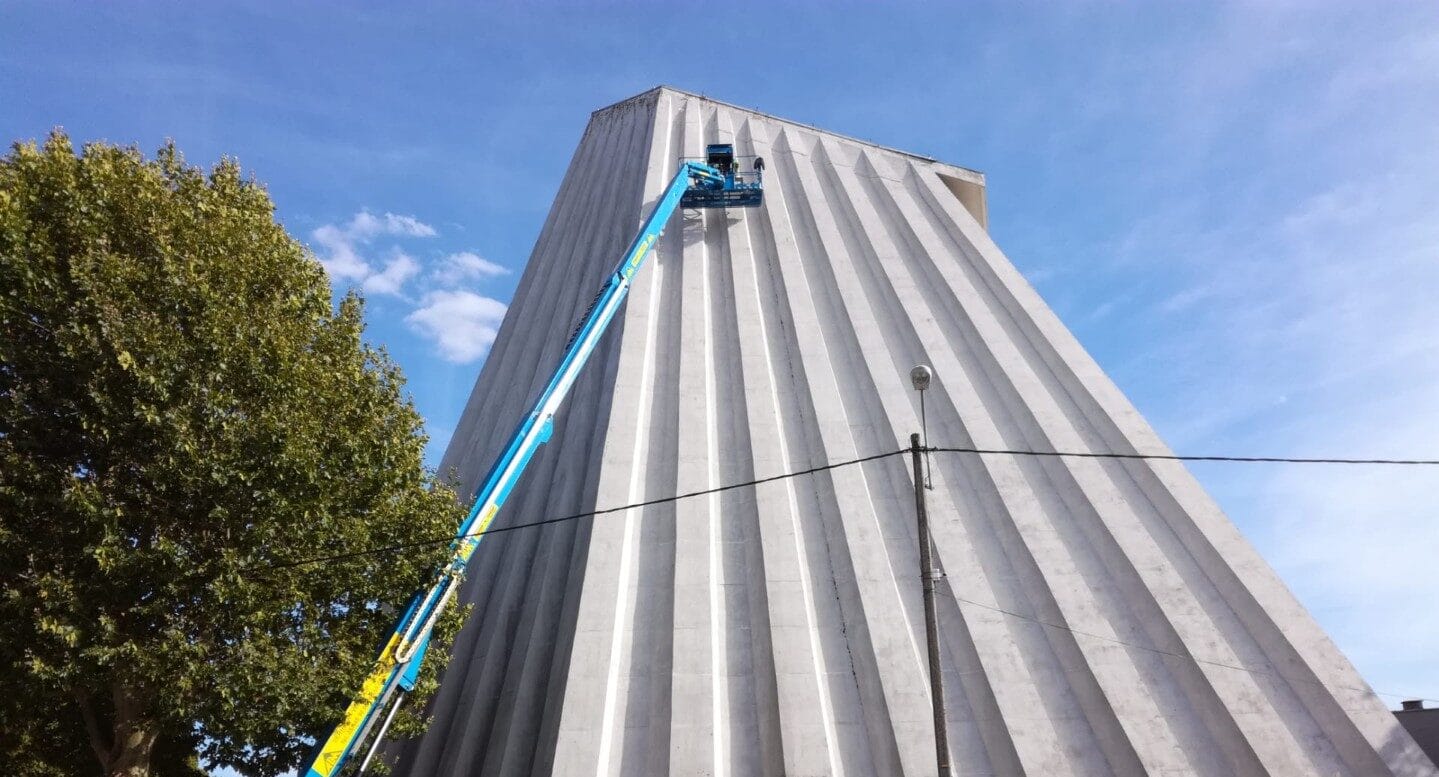
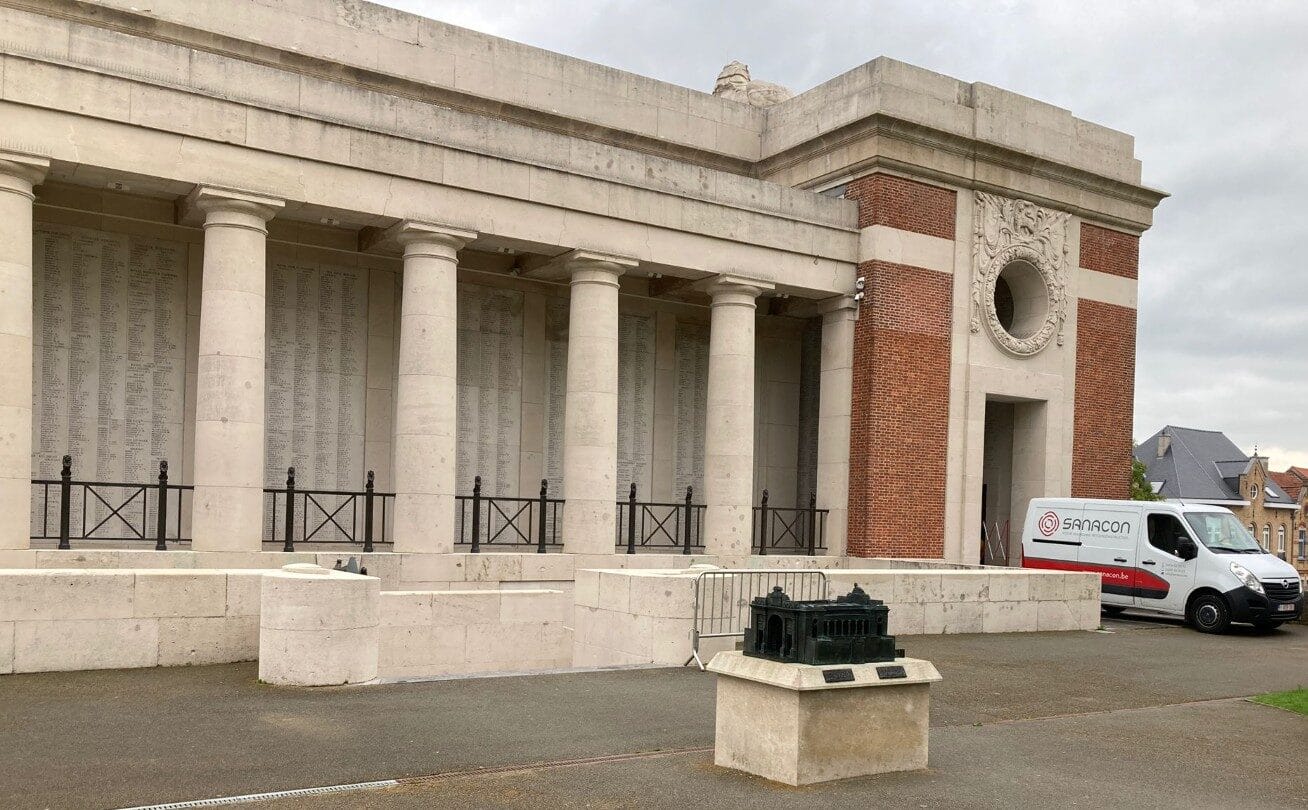
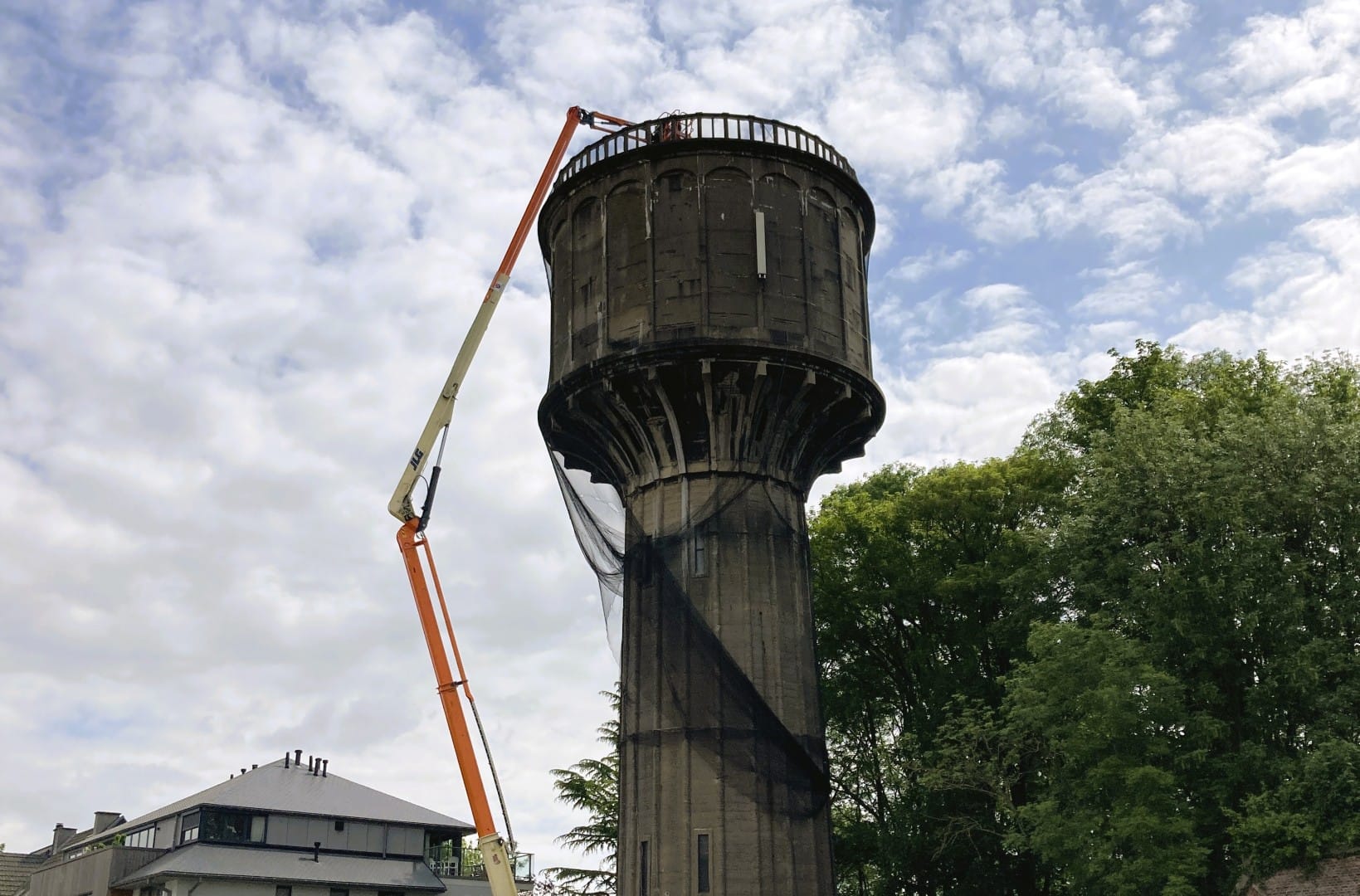
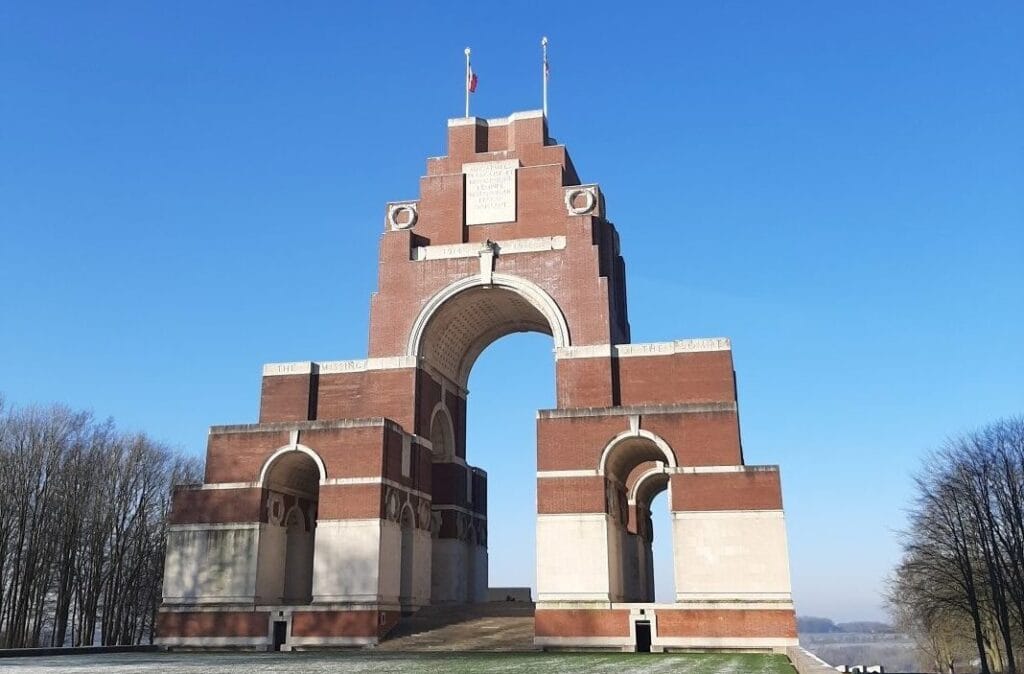
Monuments are vital building blocks for our society. In a changing world, these iconic structures provide the necessary anchor; they shape our collective memory and strengthen local identity. Our approach focuses on preserving these objects for life, which is a fundamental form of sustainability.
By monitoring and preserving existing structures with high-quality expertise, we prevent demolition and reduce the ecological footprint. Our commitment is a direct investment in the living environment, ensuring that the structures that define our landscape remain a safe and inspiring foundation for future generations.
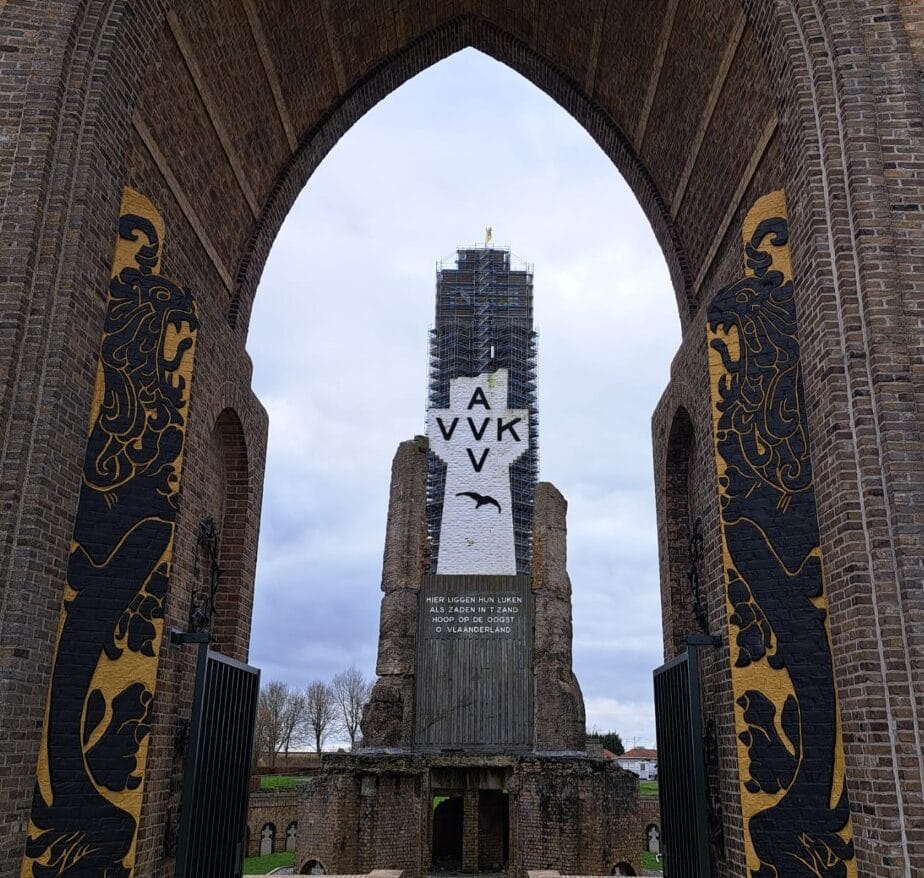
Cultural heritage is not a static relic, but a vital building block for our future. In a rapidly changing world, heritage provides the necessary anchor; it shapes our collective memory and gives meaning to the places where we live. The social relevance of our approach lies in the understanding that a connected society cannot exist without its roots. By keeping history visible, we strengthen local identity and foster a sense of pride and belonging.
Furthermore, heritage plays a crucial role in modern challenges such as sustainability. Repurposing historical structures is a powerful form of circularity that reduces our ecological footprint. Characteristic locations also act as a catalyst for livability and innovation. Our commitment is therefore a direct investment in social cohesion and the quality of the living environment, so that the stories that have shaped us remain an inspiring source of connection for future generations.
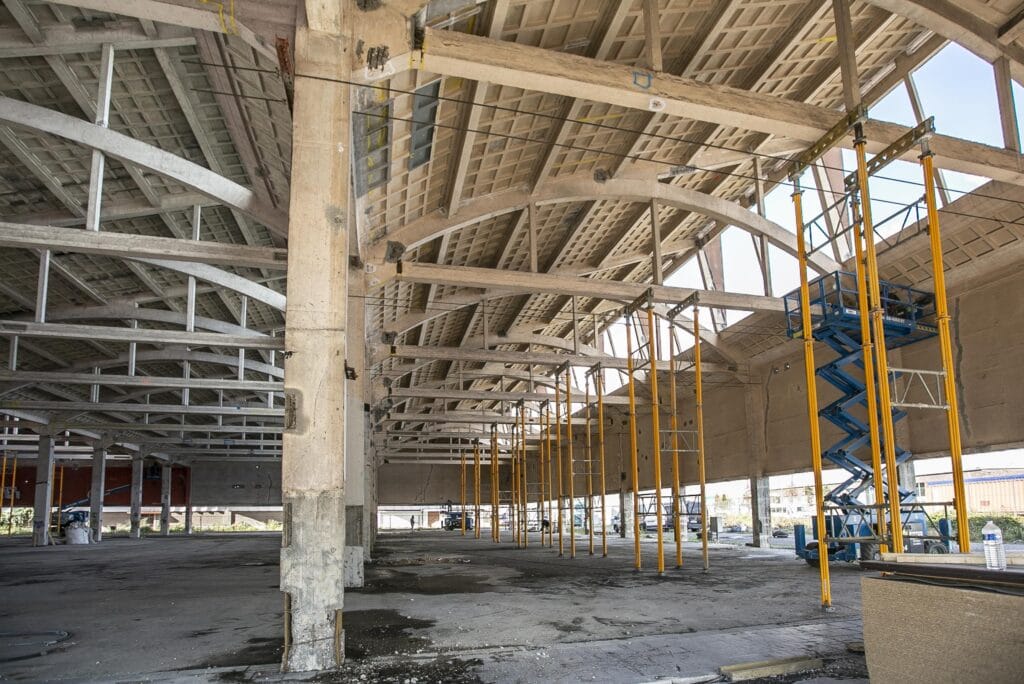
Repurposing is key to restoring historic buildings, such as churches or industrial sites, to their vital role in our modern society. By giving these structures a new function, we prevent vacancy and strengthen social cohesion in the neighborhood. This approach represents the purest form of sustainability, because reusing the existing shell minimizes the need for new raw materials. Monuments serve as beacons that make our shared history tangible and offer a sense of local identity. Preserving the supporting structure also reduces our ecological footprint and directly contributes to a circular economy. Our expertise in condition assessment ensures that these valuable structures can be safely and permanently maintained. A well-considered transformation transforms a historic building into an economic and cultural engine for its surroundings. In this way, we create an inspiring cross-pollination between the craftsmanship of the past and the technological innovation of today. Our commitment is therefore a direct investment in a living environment where character and progress go hand in hand. In this way, the stories of the past remain a functional and indispensable part of our shared future.
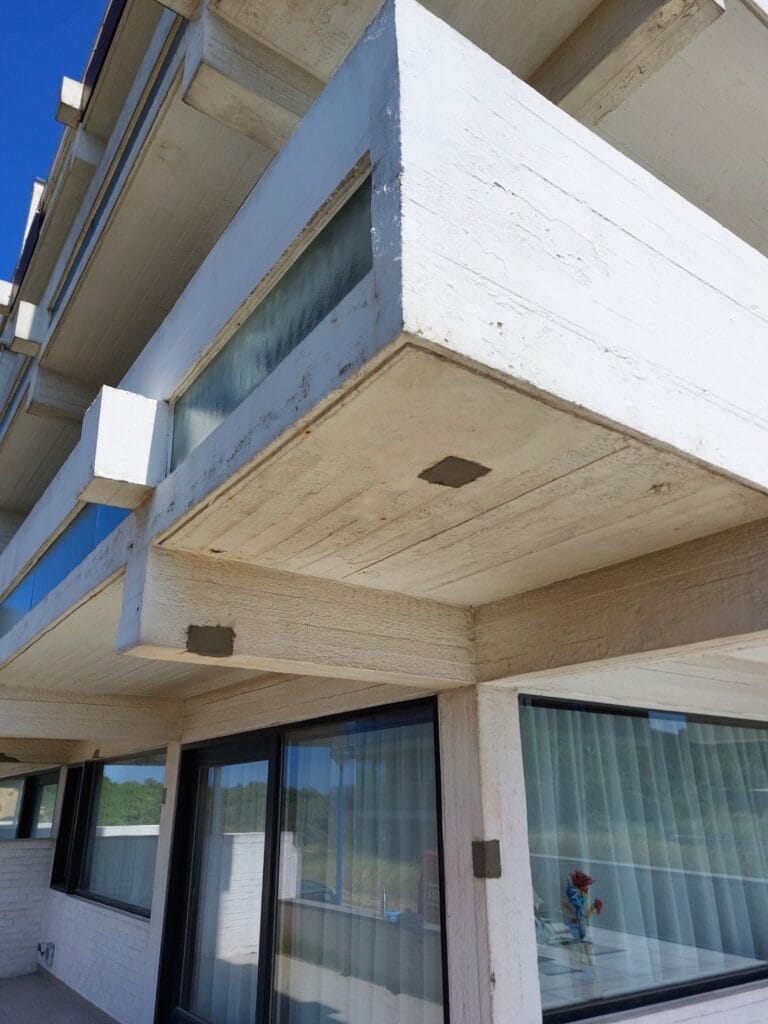
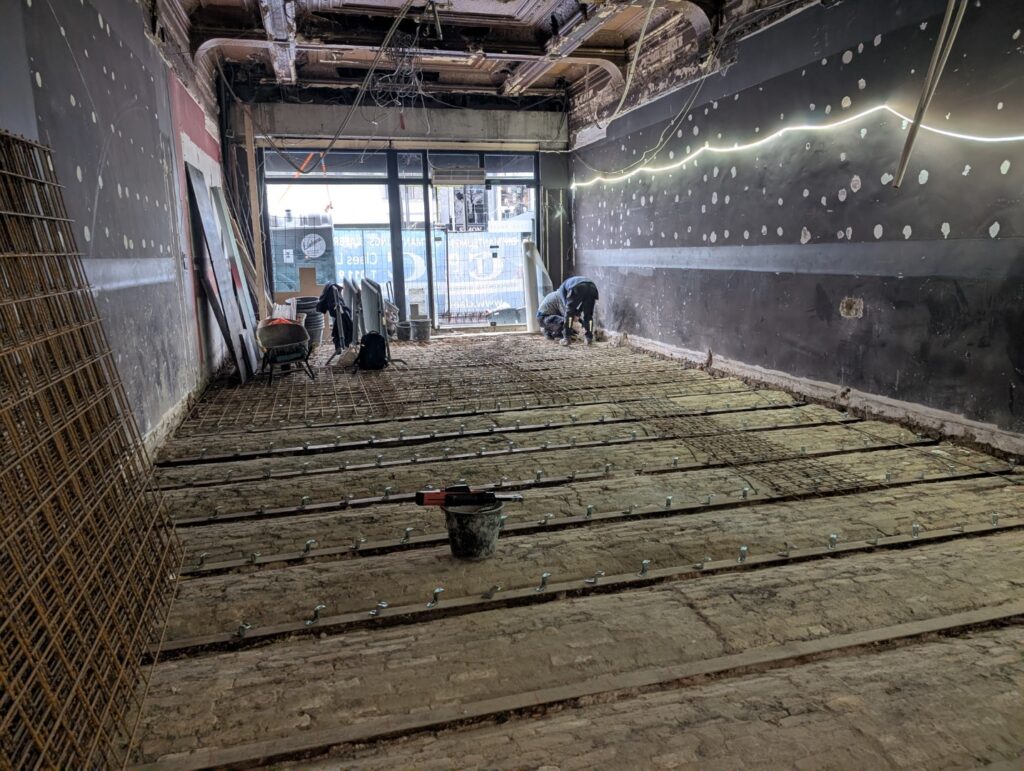
During repurposing, we assess whether the historic support structure can safely meet the new functions and modern load requirements. By combining theoretical analyses with on-site measurements, we accurately determine the load-bearing capacity and the necessary reinforcements to ensure future stability.
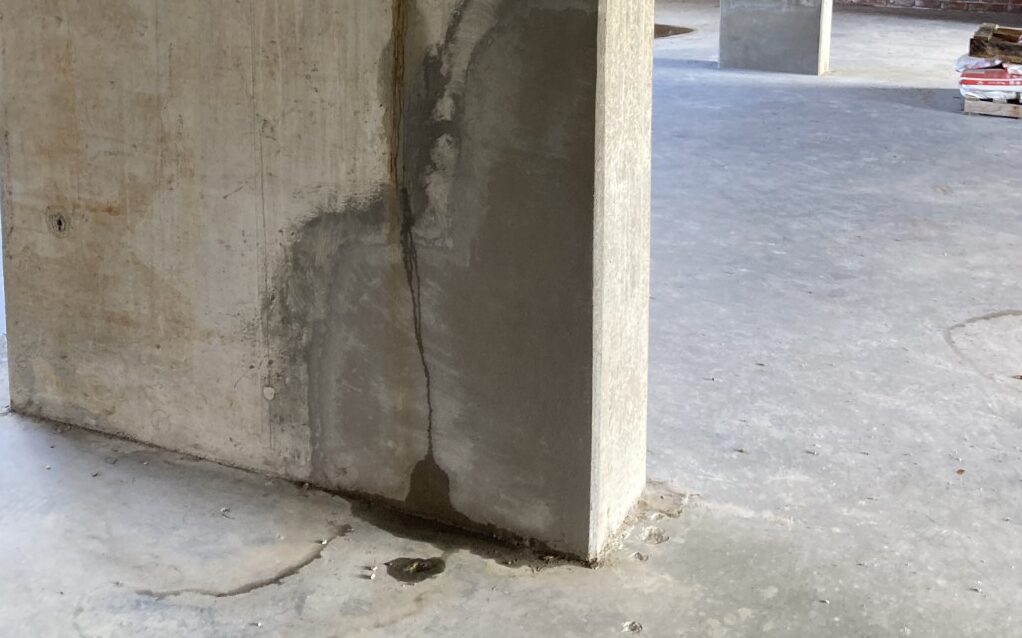
Through a detailed condition assessment, we pinpoint the exact extent, underlying cause, and severity of the existing damage. This in-depth diagnosis forms the indispensable foundation for setting the right priorities and developing a technically sound plan for sustainable conservation.
We offer targeted restoration advice that respects the historical value of the building, while using innovative techniques to ensure its long-term structural integrity. During implementation, we provide expert guidance, ensuring each intervention seamlessly aligns with both the building’s heritage value and modern quality standards.
Cathodic protection offers an innovative solution to actively protect the reinforcement in historic concrete structures from corrosion without removing the original material. By applying this technique, we significantly extend the lifespan of historic buildings and prevent further degradation due to external influences.