The silent crisis beneath the water’s surface: Concrete rot in Belgian swimming pools
Anyone taking a dip in a local Belgian swimming pool usually sees gleaming tiles and crystal-clear water. But below the surface, in the basements and technical rooms, a very different story often unfolds. Many of our swimming pools date from the 1960s and 1970s and are approaching the end of their structural lifespan. Experts Dr. Ir. Tim Soetens and Dr. Ir. Mathias Maes Warning: without timely intervention, a wave of forced closures looms.
An invisible threat in the depths
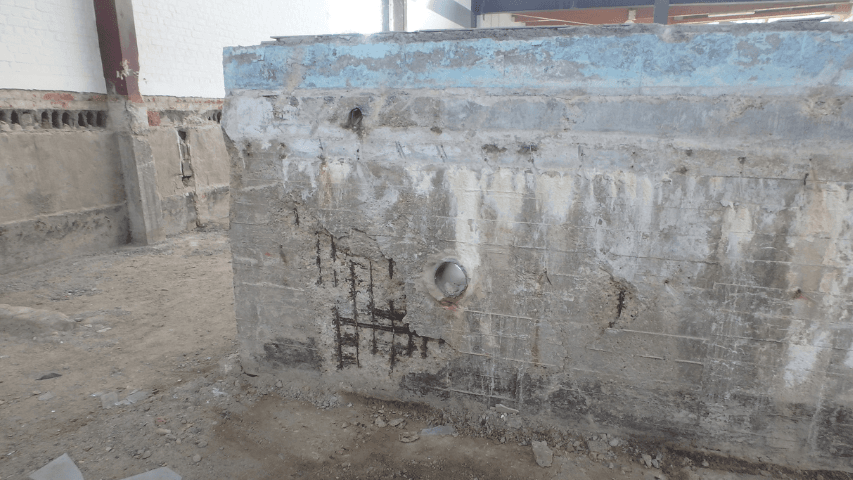
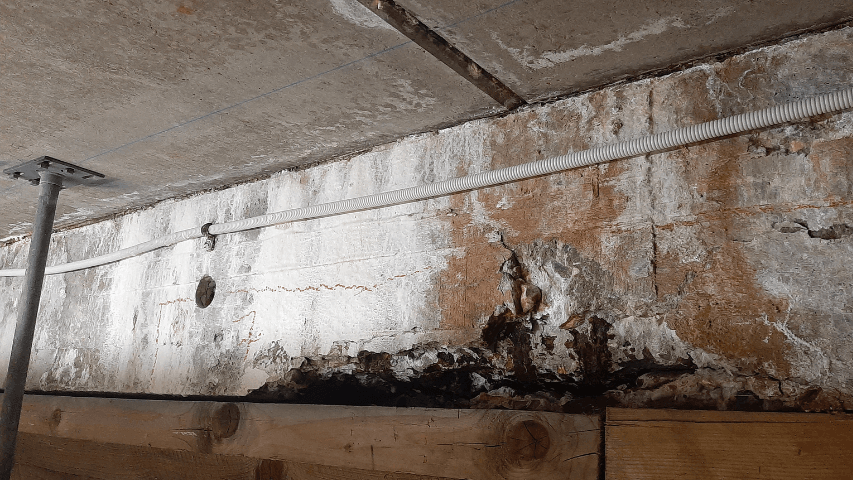
The condition of many swimming pools is worrying, precisely because the damage remains visually hidden from the visitor. The problem often arises in the details: pipe connections that are not completely watertight, or concrete that was insufficiently compacted during construction. When chlorinated water seeps into the concrete, it reaches the steel reinforcement.
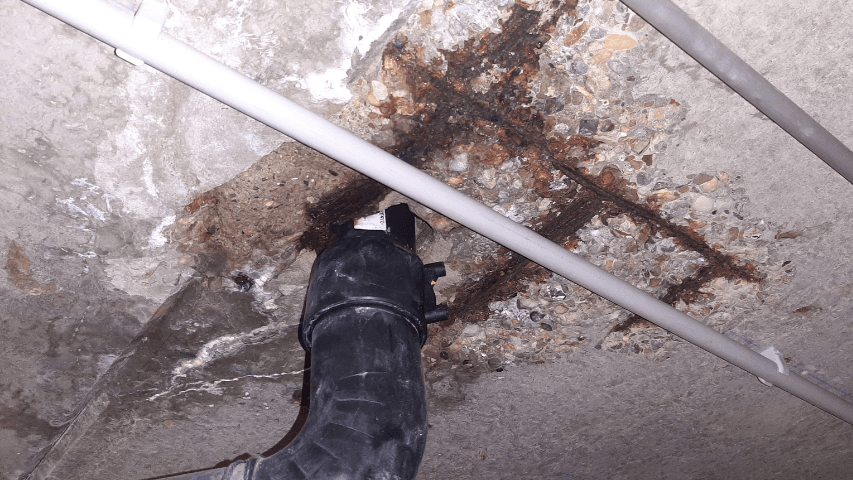
As soon as the reinforcement begins to corrode (rust), the metal expands. The enormous pressure created by this literally pushes the concrete apart from the inside. The result is commonly known as ” concrete rot “: a chain reaction of cracks and crumbling that eventually jeopardizes the stability of the entire shell.
A sector-wide problem: from sports to industry
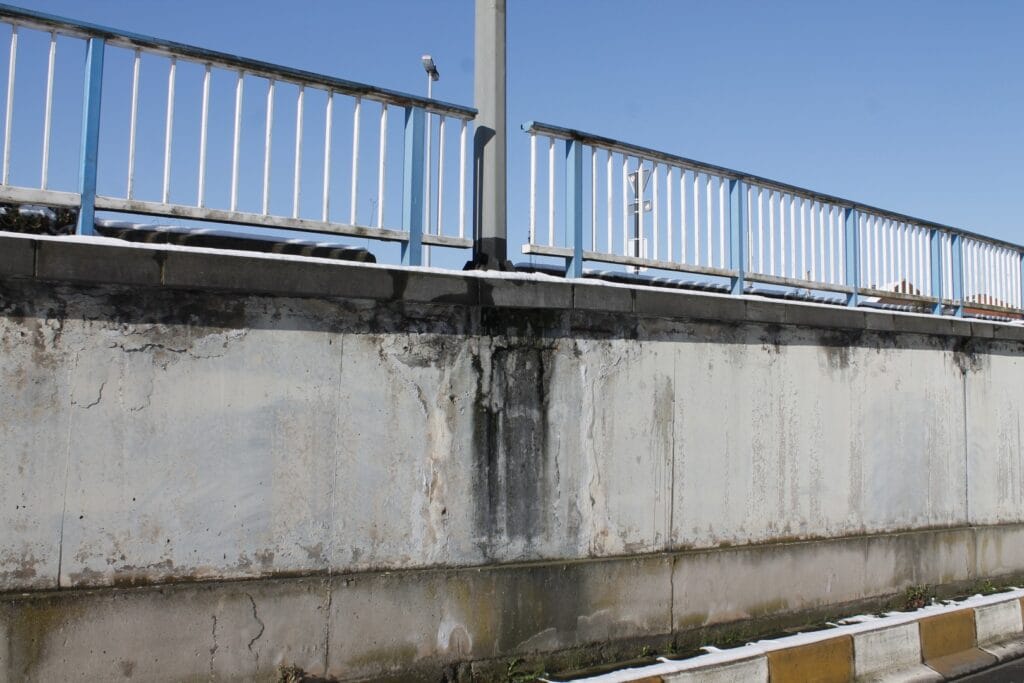
Although swimming pools are particularly vulnerable due to constant exposure to chlorides, this is not an isolated problem. Our bridges, tunnels, and industrial infrastructure also show similar symptoms.
Particularly in the chemical sector, many structures date from the same post-war construction period. Because these installations are often in continuous use for decades, maintenance is frequently limited to superficial patchwork during short maintenance shutdowns. This allows deeper-seated concrete decay to continue spreading unchecked.
What is the point of hanging new lighting, wiring, or signage on ‘rotten’ walls or ceilings?
The pitfall of reactive maintenance
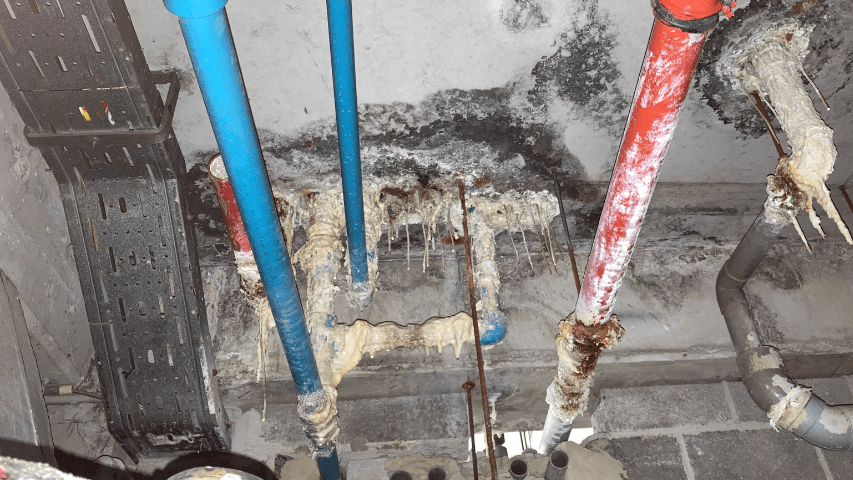
The greatest danger is the lack of structural awareness. Technical basements are often only visited by installers for pumps and filters; they are not concrete experts and only notice the damage when debris starts falling. By that time, a cost-effective repair is often no longer possible.
When the damage is too extensive, the cost-benefit balance turns out unfavorably. In the worst-case scenario, a years-long phase-out and eventual demolition is the only option. This is a scenario that becomes reality weekly in various municipalities, often due to a lack of preventive budgeting in the past.
Modern techniques for lifespan extension
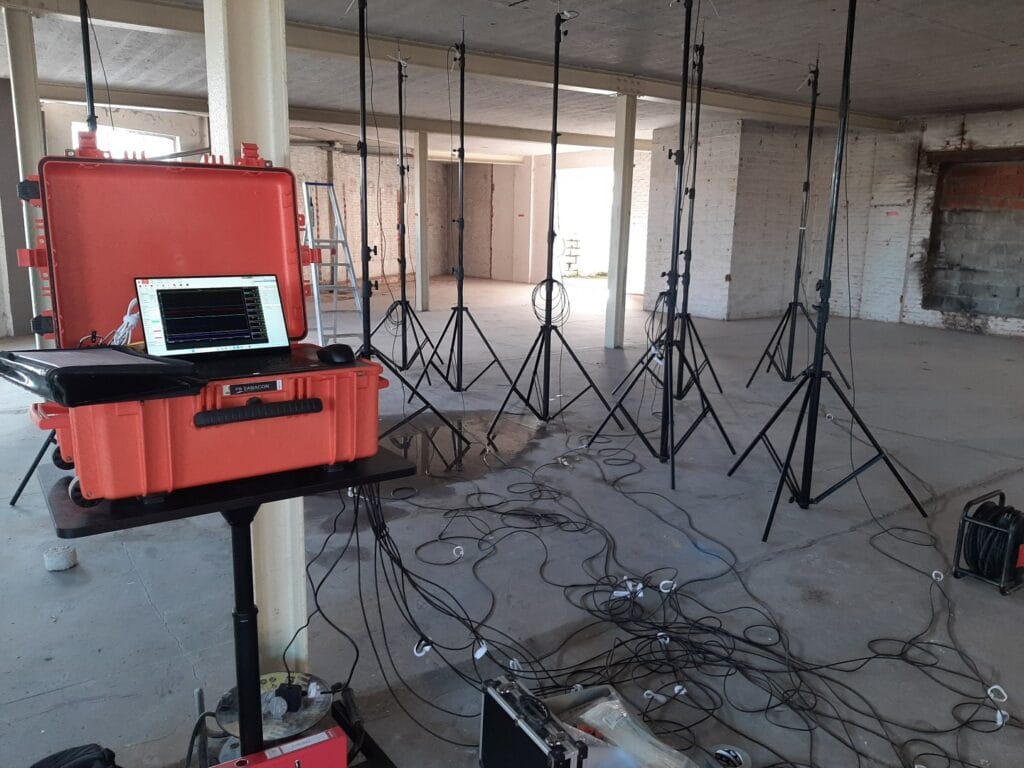
Fortunately, concrete decay does not have to mean the end of a structure. By making concrete maintenance a fixed part of asset management , the lifespan can be significantly extended. The experts at Sanacon recommend a proactive step-by-step plan:
- Periodic inspections: A specialized visual inspection every three to five years identifies problems before they become unaffordable.
- Destructive testing: The exact penetration of chlorides and the condition of the cement matrix are determined via core drilling and laboratory analyses.
- Specialized repair: Think of chemical-resistant coatings, high-pressure injection of leaks, or structural reinforcement with bonded reinforcement.
- Cathodic protection : An advanced technique in which corrosion of the reinforcement is electrically stopped using a titanium mesh. This can extend the lifespan of a structure by as much as 25 to 30 years .
Choosing sustainable preservation
In a time when we strive for a circular economy and sustainability, the preservation of existing structures is crucial. Through scientifically sound methods and timely intervention, we can safeguard our infrastructure—whether concrete, steel, wood, or masonry—for future generations.
Do not wait until the first cracks become visible on the surface. A healthy structure begins with a timely diagnosis.
Would you like to map the structural health of your infrastructure? Contact the experts at Sanacon for a thorough inspection and tailored advice.